
Last updated November 24, 2026
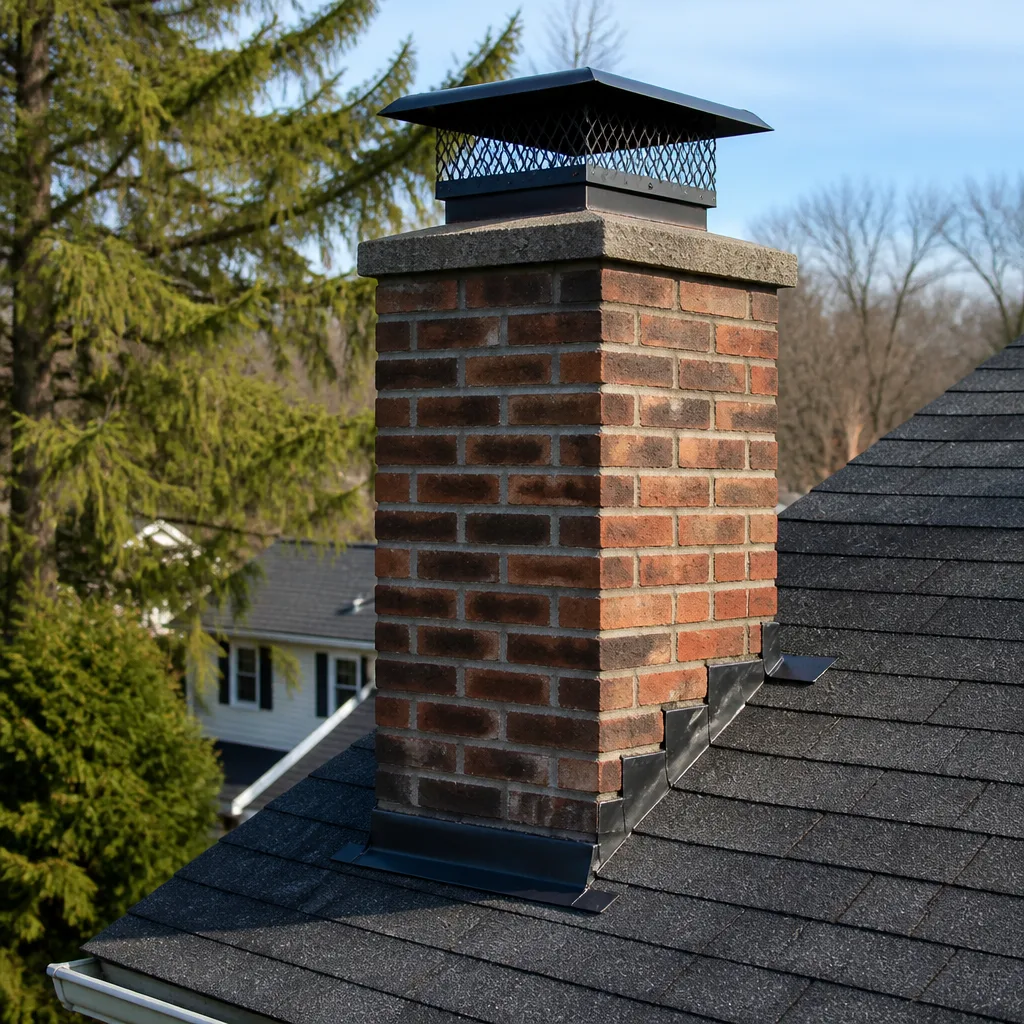 Sweep & inspection
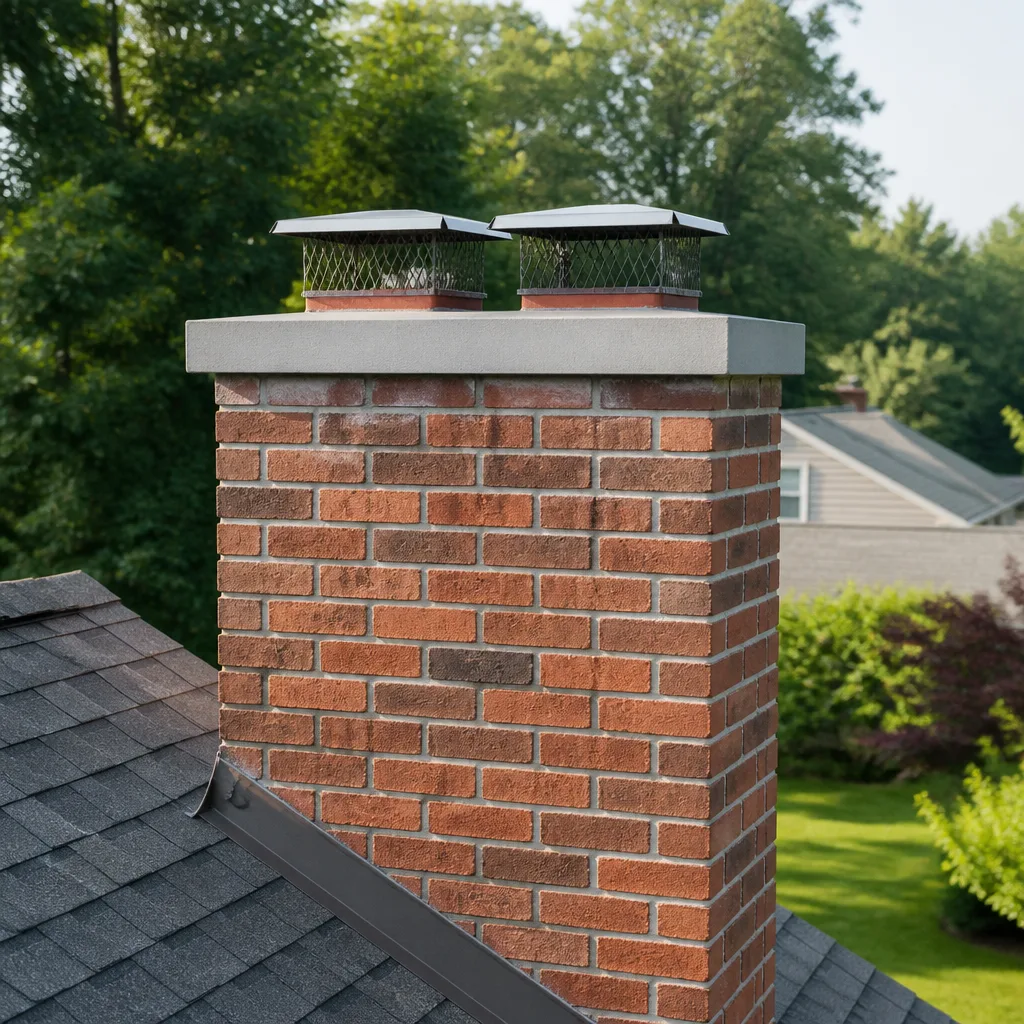 Caps & crowns
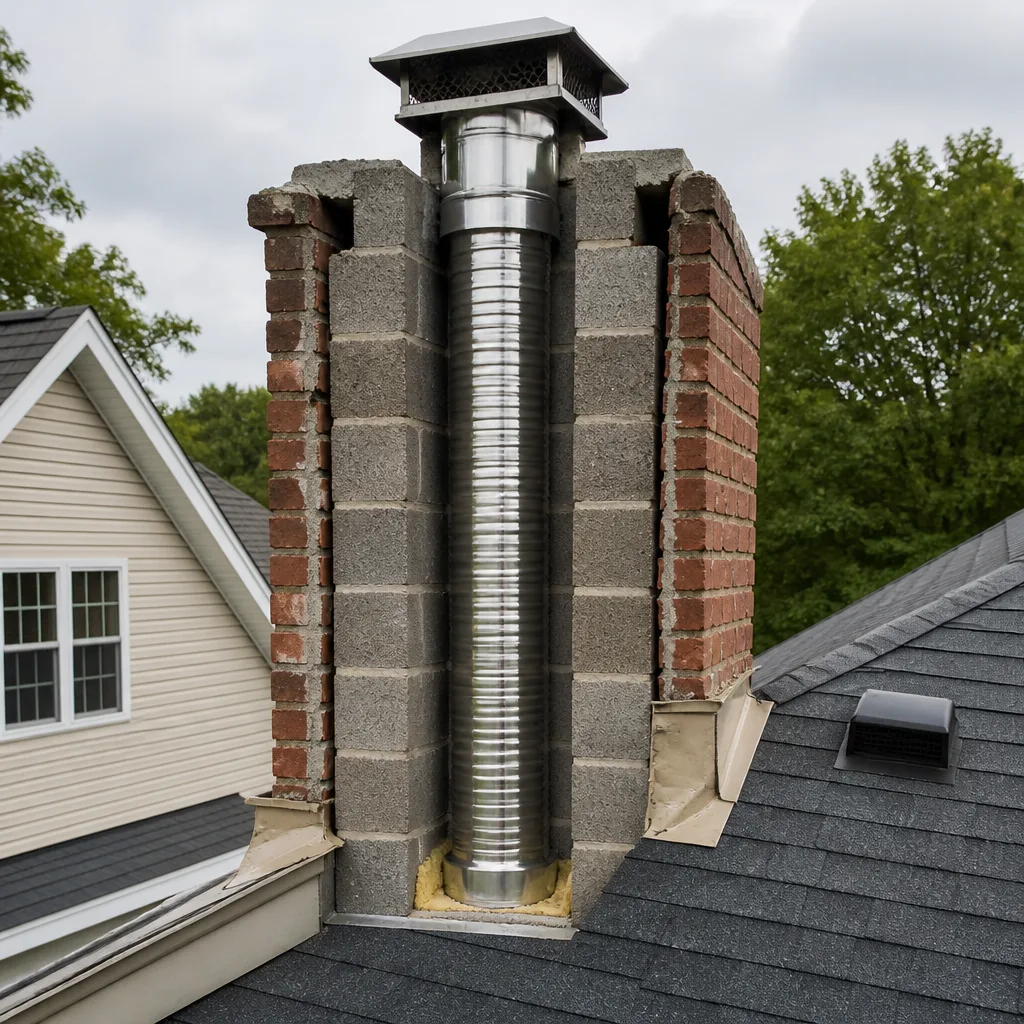 Flue relining
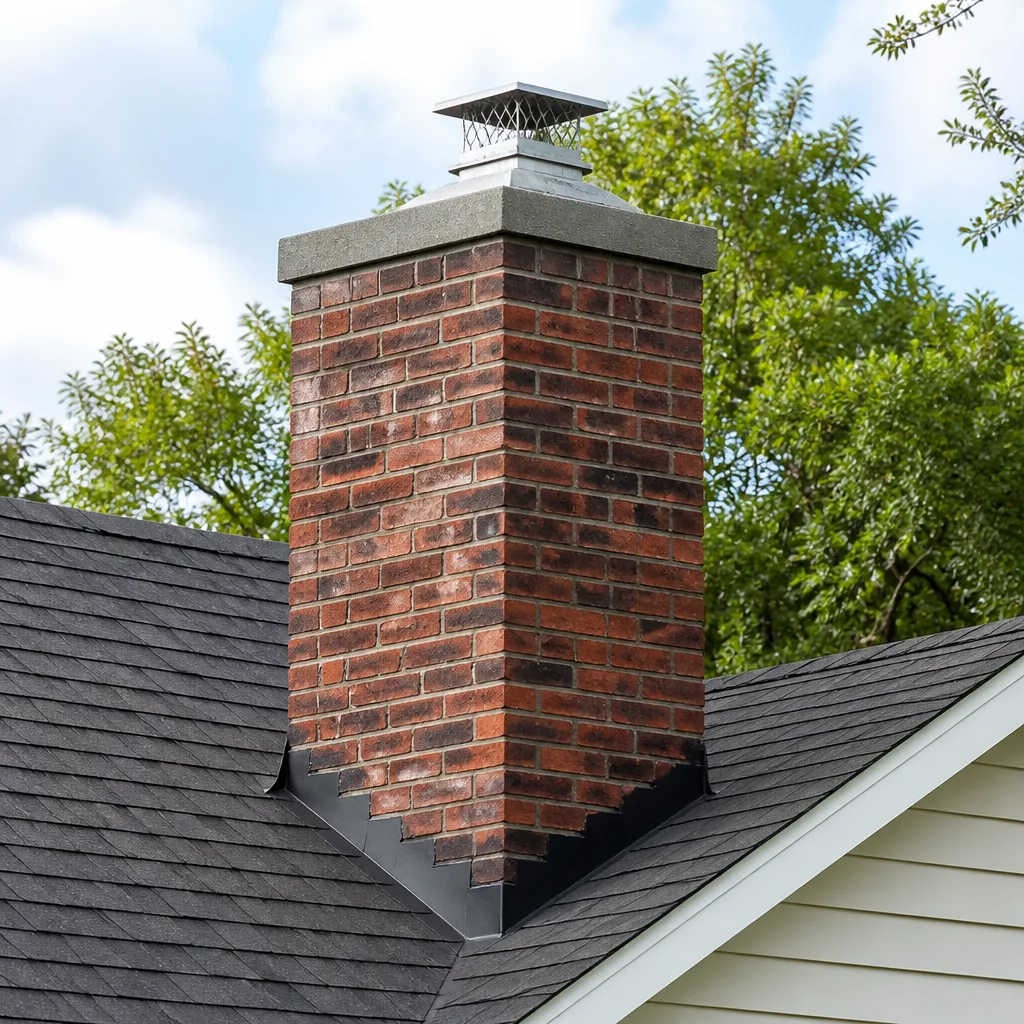 Masonry repair
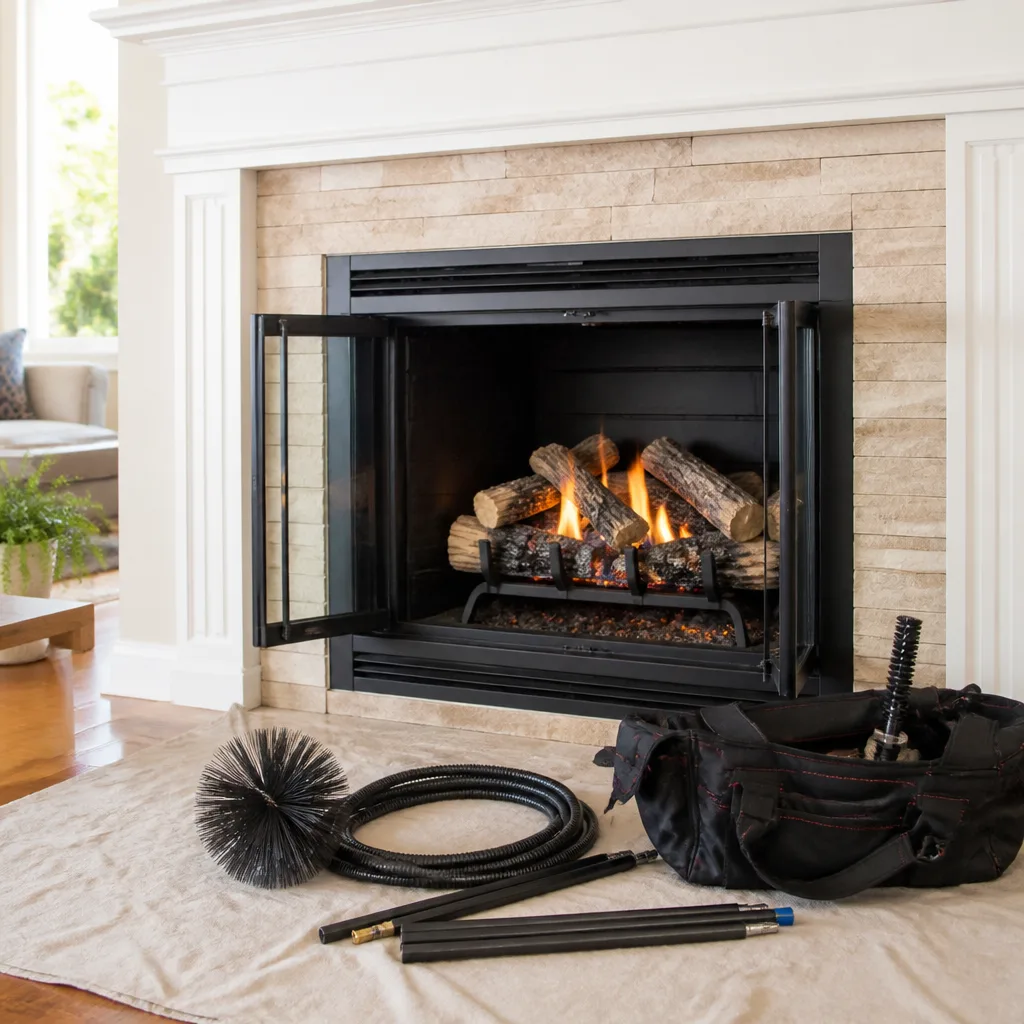 Gas fireplace service
Level 1 sweep and inspection to the NFPA 211 annual standard - flue, crown, cap, and flashing checked and photographed
Chimney sweep logs do not sweep chimneys. They loosen some creosote - which then falls where a brush and vacuum still have to collect it.
Seasonal Chimney Cleaning Care for Huntington Beach: Year-Round Homeowner’s Guide
Most chimney care guides assume a hard winter: frozen flues, months of snow, a long dormant season followed by a frantic first fire. Huntington Beach doesn’t work that way. It averages 281 sunny days a year, yet evening temperatures still drop enough that fireplaces get lit in every month of the calendar. The result is something few national guides address: our fireplaces have no true off-season, only shifting patterns of use. The marine layer, the Santa Ana winds, the long dry stretch from late spring into fall, each phase puts different demands on a chimney system. This guide maps the work to those local rhythms, so you know what to check and when to schedule it across the year in Huntington Beach.
Quick Answer
In Huntington Beach, chimney care is a twelve-month job split into distinct phases rather than one fall appointment. The marine layer months of May through September are the highest-risk window for moisture intrusion even if you never light a fire, October through December is when a pre-use sweep and inspection should be finished, and January through March is when a mid-season check earns its keep. Santa Ana wind events call for a separate post-storm inspection of the cap, crown, and exterior, whatever the season.
Styles & brands we work with
- Sweep & inspection
- Caps & crowns
- Flue relining
- Masonry repair
- Gas fireplace service
Table of Contents
- Why Huntington Beach Has No Chimney Off-Season
- May-September: The Marine Layer Moisture Window
- October-December: Timing Your Pre-Use Sweep Right
- January-March: Mid-Season Inspection Triggers
- Santa Ana Season: A Post-Event Inspection Checklist
- Year-Round Cap and Crown Monitoring
- Why Materials Matter From the Firebox to the Crown
- Common Mistakes to Avoid
- When to Call a Professional
- Frequently Asked Questions
Why Huntington Beach Has No Chimney Off-Season
The national assumption is simple: sweep in autumn, forget the chimney until next autumn. That works where fireplaces sit idle for six months behind closed doors. Here, the ocean air and the mild evenings mean the fireplace stays in the picture year-round, and the threats to a chimney don’t take a holiday either. Moisture, wind, and shifting flue temperatures keep working on the system whether or not there’s a fire in the box.
The pattern we see in Huntington Beach breaks into three interacting cycles:
- Use cycles. Evening fires cluster in the cooler months, but cool coastal evenings can prompt a fire in June as easily as in December, so soot and creosote build up gradually across the year instead of in one burst.
- Moisture cycles. The marine layer brings persistent damp air for months at a time. That’s when water finds weak points in the crown, flashing, and cap, and slow damage starts long before anyone notices a stain on the ceiling.
- Wind cycles. Santa Ana wind events push dry, fast air across the region in fall and winter, carrying debris into caps and stressing exterior components.
Reading your chimney as a whole system, from the firebox to the crown, is the only way to keep pace with three cycles running at once. A fireplace is not a standalone appliance; it’s a stack of connected parts where a failure at the crown can quietly compromise the flue liner months later. When the seasons don’t give you a clean break, the maintenance plan has to be built around the local pattern instead.
May-September: The Marine Layer Moisture Window
May through September is the highest-risk period for moisture damage to a Huntington Beach chimney, and it happens precisely because the fireplace is used least. Fire box doors stay shut. The flue goes cold. And the marine layer pushes damp air against the chimney exterior for weeks. Water is the single most destructive force on a chimney, more than fire, more than soot, and this is its favorite window.
What’s happening in those months:
- Crown cracking. The concrete crown at the top of the chimney expands and contracts as damp mornings give way to warm afternoons. Hairline cracks widen, and water starts finding its way down around the flue.
- Cap damage. A cracked crown or a loose cap lets water into the flue during a string of damp weeks when nothing is burning to help drive moisture back out.
- Masonry saturation. Brick and mortar absorb moisture and hold it. Repeated cycles weaken mortar joints and, over a longer stretch, the brick itself.
- Flue liner degradation. Cracks in the liner are a moisture entry point too, and a liner left wet through the summer is weaker by the time you first light a fire in the fall.
The practical takeaway is a summer inspection, not a fall one. Look at the crown, the cap, and the exterior masonry during the dry warm stretch, and note what the damp months have done. If you spot a cracked crown or a loose cap, that’s the time to schedule the repair, before the first fire and before the next wet season. A cap and crown that are sound now are what protect the flue through the months when you’re not watching.
It’s also worth remembering that a chimney doesn’t need to be in use to be inspected. The inspection is about the structure and the liner, not the fire. A summer sweep-and-inspect in Huntington Beach catches moisture problems while there’s still dry weather to complete the repair work.
October-December: Timing Your Pre-Use Sweep Right
Pre-use cleaning should be finished before the first fire, and in Huntington Beach that means scheduling the chimney sweep between October and the start of December, whenever your household usually lights the first fire of the season. Waiting until the first cool evening and then calling is the wrong order: you want the flue clear and the liner inspected before you burn, not the other way around. Creosote accumulates through the year here, so a sweep that clears the summer’s gradual buildup matters as much as one that clears a winter’s dense use elsewhere.
What a pre-use visit should cover:
- A full sweep of the flue to remove soot and creosote, including the glaze that forms when fires burn cool or slow.
- A camera inspection of the liner so the sweep can show you what the flue actually looks like, not just describe it.
- A check of the firebox, damper, and smoke chamber for cracks, gaps, and the kind of wear that affects how the chimney draws.
- An exterior review of the cap, crown, and flashing for damage the marine layer months may have opened up.
If the inspection finds a deteriorated liner, the conversation should be about options, not a single expensive one. Liner restoration before replacement is the sensible first question, and with HeatShield we can repair a deteriorating liner in place rather than tearing it out and rebuilding, when the liner’s condition allows it. A specialist who offers both restoration and replacement is who you want doing that inspection, because the recommendation won’t be limited to the work they happen to sell.
Book the pre-use visit early enough that any repair can be completed before the first fire. A cracked crown found in late November is a rush; found in October, it’s routine. In Huntington Beach, where fires get lit across the calendar, the October-December window is the one that sets up the whole year.
January-March: Mid-Season Inspection Triggers
Most homeowners treat the pre-use sweep as a one-and-done for the year. In a climate where the fireplace gets regular use from October through March, a mid-season check in January or February is worth scheduling whenever one of these triggers shows up:
- Slower or smokier fires. If the draft gets weaker or smoke rolls into the room when you light, the flue may be restricted or the liner compromised.
- Heavier soot buildup. Frequent use through the holidays and cooler weeks means the flue can accumulate creosote faster than the pre-use sweep assumed.
- A new smell of soot or dampness in the room, especially after a damp stretch. That can point to moisture coming in through the cap or crown.
- Visible changes outside. Look up at the crown and cap when you’re outside. Fresh cracks, loose mortar, or a cap that’s shifted are all reasons to call before the season ends.
- Any fire that felt off. A fire that wouldn’t draw, an unfamiliar odor, or smoke that drifted oddly are reasons enough for a professional to take a look.
The mid-season check doesn’t always need to be a full sweep. Sometimes it’s an inspection that confirms the flue is clear and the liner is sound, and the answer is that you’re good until the next pre-use sweep. Other times it catches a liner problem or a crown crack while they’re still small. Huntington Beach homeowners who schedule a mid-season look spend less on it overall than those who discover the problem at the start of the next season. One call gives you a full picture, and you’ll know whether anything needs doing now or can safely wait.
Santa Ana Season: A Post-Event Inspection Checklist
Santa Ana wind events move through in fall and winter, bringing dry, fast air and the kind of flying debris that finds every gap in a chimney cap. The chimney is one of those parts of the house that takes the hit without anyone noticing, because the damage happens at the roofline and shows up much later as a leak or a draft problem. After a significant Santa Ana event, a quick self-check and a calls worth making matter.
The post-event inspection checklist:
- Look at the cap. Check for a shifted, dented, or missing cap and for debris packed into the mesh or screen.
- Look at the crown. Fresh cracks, chipped concrete, or a crown that’s pulling away from the flue are all reasons to call.
- Check the flashing. The seal where the chimney meets the roof takes wind stress; a lifted or cracked edge lets water in.
- Look for fallen mortar and debris in the firebox before your next fire, and don’t burn until it’s been checked.
- Note any new drafts or odors in the rooms the chimney passes through. A shift in the cap often shows up as a draft or a smell first.
- Call for a professional inspection if anything looks off. Wind damage is often more extensive than the visible part suggests, and the cap and crown are not parts to leave uncertain.
This is the one seasonal item that isn’t on a calendar. It’s event-driven, and the check belongs to the quiet day after the wind, not to the first cold night. In Huntington Beach, a wind event that leaves a cap loose in November can mean water in the flue all through the damp winter if it isn’t set right. The fix is usually quick. The cost of missing it isn’t.
Year-Round Cap and Crown Monitoring
The cap and crown are the chimney’s first line of defense, and they’re the parts most sweep-only services leave out of the visit. The crown is the concrete surface at the very top of the masonry; the cap sits above the flue to keep rain and debris out. Together they’re what a chimney relies on against water up top, and they’re the parts that fail first in a damp climate.
In Huntington Beach, the crown is under near-constant stress from the marine layer: damp mornings, warm afternoons, and months of humid air. The result is faster wear on the concrete and mortar at the top than in a dry inland climate. That’s the reason our chimney cap & crown work treats these two as their own service rather than an afterthought to a sweep.
A quarterly look, five minutes with binoculars from the yard, will catch most of what matters:
- Cracks in the crown that run outward from the flue, and any chipping or spalling of the surface.
- A crown that’s separated from the flue, or a visible gap at the seam.
- Cap damage like dents, rust on the mesh, or a cap that has shifted out of line over the flue.
- Loose or missing mortar at the top courses of brick, which lets water into the masonry.
- Staining or streaks on the exterior that suggest water is running where it shouldn’t.
When we replace a cap or crown, we source the materials from manufacturers like Famco and Copperfield, whose products are built for weather resistance and long service, not a hardware-store stopgap. A cap or crown installed with the right material and the right fit protects the flue for years. One installed cheaply creates the next leak. If your crown is cracked now, the fix is worth scheduling before the marine layer returns.
Why Materials Matter From the Firebox to the Crown
Chimney work done once with the right components costs less over time than work done twice with the wrong ones. That’s the reason we install from a curated set of professional brands rather than whatever a general supplier has in stock. We install what the pros use, because a chimney is exposed to weather, heat, and time in ways that punish substitute parts.
Where each material earns its place:
- DuraFlex flexible liner systems allow us to install a proper liner in chimneys where a rigid run isn’t practical, so a flue that would otherwise be unlined can get a correct, safe liner.
- HeatShield gives us liner restoration before replacement. When a deteriorating flue liner can be repaired in place, it’s often the more sensible option, and it’s a specialist capability not every chimney service brings.
- Gelco and Olympia Chimney supply the components and liner materials that hold up over the long run, so the chimney system stays sound when the seasons change.
This is what the firebox-to-crown approach looks like in practice. The sweep, the inspection, the cap and crown, the liner restoration, and the fireplace repair all come from one specialist who sees the whole system and owns the whole fix. One call gives you the full picture, and you’re not shuttling between a sweeper who only sweeps and a mason who only builds. For a Huntington Beach homeowner, that continuity is what makes the year-round schedule workable.
Common Mistakes to Avoid
- Waiting for the first cold night to call. In Huntington Beach the first fire can come in October or in June, so the sweep should be booked ahead of it. Calling after you’ve already lit the fire puts the inspection behind the use.
- Treating the chimney as a winter issue. The marine layer months are when moisture does its slow damage, and skipping the summer look is how small crown cracks become structural repairs. Damage compounds between fires.
- Assuming a clean flue means a sound chimney. Soot and creosote removal is only part of the job. The liner, the cap, the crown, and the flashing need eyes on them, and that’s the part a spot-clean skips.
- Settling for a cap from the nearest hardware shelf. A cap that doesn’t fit the flue well or isn’t built for long exposure will fail in a few seasons. The right material from a manufacturer like Famco or Copperfield lasts years longer.
- Ignoring the roof after a wind event. Santa Ana winds are the local event that leaves a cap loose or a flashing edge lifted, and it’s easy to miss from the ground. A quick post-event look and a call if anything’s off prevents the wet winter that follows.
- Letting one narrow provider define the fix. A sweeper who only sweeps will find a sweep; a mason who only builds will find a rebuild. The recommendation should come from someone who can offer restoration, repair, and replacement, and tell you honestly which one your chimney needs.
- Choosing the cheapest quote and skipping the camera. A visual sweep without a camera inspection means the liner condition is unknown. Nothing should be recommended without camera evidence you can see, so ask to see it before any repair is authorized.
One more local habit worth breaking: not looking up. A five-minute look at the cap and crown from the yard every few months catches most of what fails in a Huntington Beach chimney, and it costs nothing. The homeowners who avoid big repairs are usually the ones who looked often and called early.
When to Call a Professional
Call for a professional sweep and inspection if you’ve used the fireplace through the last season and haven’t had it checked since, if you’ve never had the chimney looked at, or if the last inspection is more than a year old. Call sooner if a fire won’t draw well, if smoke enters the room, if you smell soot or dampness indoors, or if you can see cracks in the crown, a loose cap, or crumbling mortar from the ground. After a Santa Ana wind event, a call to verify the cap, crown, and flashing is money well spent. And if any inspection recommends liner or masonry work, ask to see the camera evidence first; nothing should be authorized on a verbal description alone. Huntington Beach Chimney Sweep offers free estimates in Huntington Beach. Call (877) 792-6728. We answer 24/7. Fast dispatch from 7am to 7pm, Sunday through Friday.
Frequently Asked Questions
Once a year for regular fireplace use, and more often if you burn frequently or notice slower draft or heavier soot buildup. Because fires here can be lit in any month, the practical rule is a pre-use sweep in the October-December window plus a mid-season check in January or March if the fireplace has been busy. The right schedule depends on how much you burn, so an inspection sets it for your home. Call (877) 792-6728 for an exact quote; estimates are free.
Moisture damages a chimney whether or not there’s a fire in the box, and the marine layer keeps damp air against the exterior for months at a time. Water soaks into mortar, widens small cracks in the crown, and works its way down around the flue. The dry summer months are when you can complete a repair, so a look at the crown and cap in May through September is the timing that matters most in Huntington Beach.
Not always. A deteriorated liner can sometimes be restored in place rather than replaced, which is where HeatShield comes in as an alternative to full relining. Whether that’s the right answer depends on the liner’s condition, which is why a camera inspection comes first. Ask to see the camera evidence and get the recommendation explained before you authorize any work. Call (877) 792-6728 for an exact quote; estimates are free.
Check the cap for a shift, dent, or packed debris, the crown for fresh cracks, the flashing for a lifted or cracked edge, and the firebox for fallen mortar before your next fire. Note any new drafts or odors in the rooms the chimney passes through. If anything looks off, have it inspected, because the visible damage at the roofline is often smaller than the underlying problem.
Yes. The cap is the chimney’s main defense against rain and debris, and the crown beneath it is what protects the masonry. In a damp climate, a missing or damaged cap lets water into the flue all through the marine layer months. A cap sourced from a manufacturer like Famco or Copperfield and fitted correctly is one of the more sensible investments a homeowner can make. Call (877) 792-6728 for an exact quote; estimates are free.
Creosote keeps accumulating in the flue, moisture keeps working on the crown and mortar, and small problems grow quietly. The first sign is often a draft problem, a soot smell, or a stain on the ceiling, and by then a small repair has become a bigger one. Skipping a season is rarely a problem immediately; it’s the cost of catching up that adds up. A free estimate is the simplest way to know where your chimney stands. Call (877) 792-6728 to book one.
The Bottom Line
Huntington Beach has no chimney off-season. The fireplace gets used across the calendar, the marine layer opens moisture into the crown and cap through the driest months, and Santa Ana winds test the exterior at the roofline. In our experience, the homeowners who avoid expensive surprises are the ones who work to the local rhythms: a summer look at the crown and cap, a completed pre-use sweep and inspection before the first fire, a mid-season check if anything feels off, and a post-wind look at the cap, crown, and flashing. From the firebox to the crown, that schedule protects the whole system. It also means nothing gets recommended without camera evidence you can see, and you always know what can safely wait. If you’d like the full picture on your chimney, call (877) 792-6728 for a free estimate and we’ll walk you through what your chimney actually needs.
Written by the team at Huntington Beach Chimney Sweep.
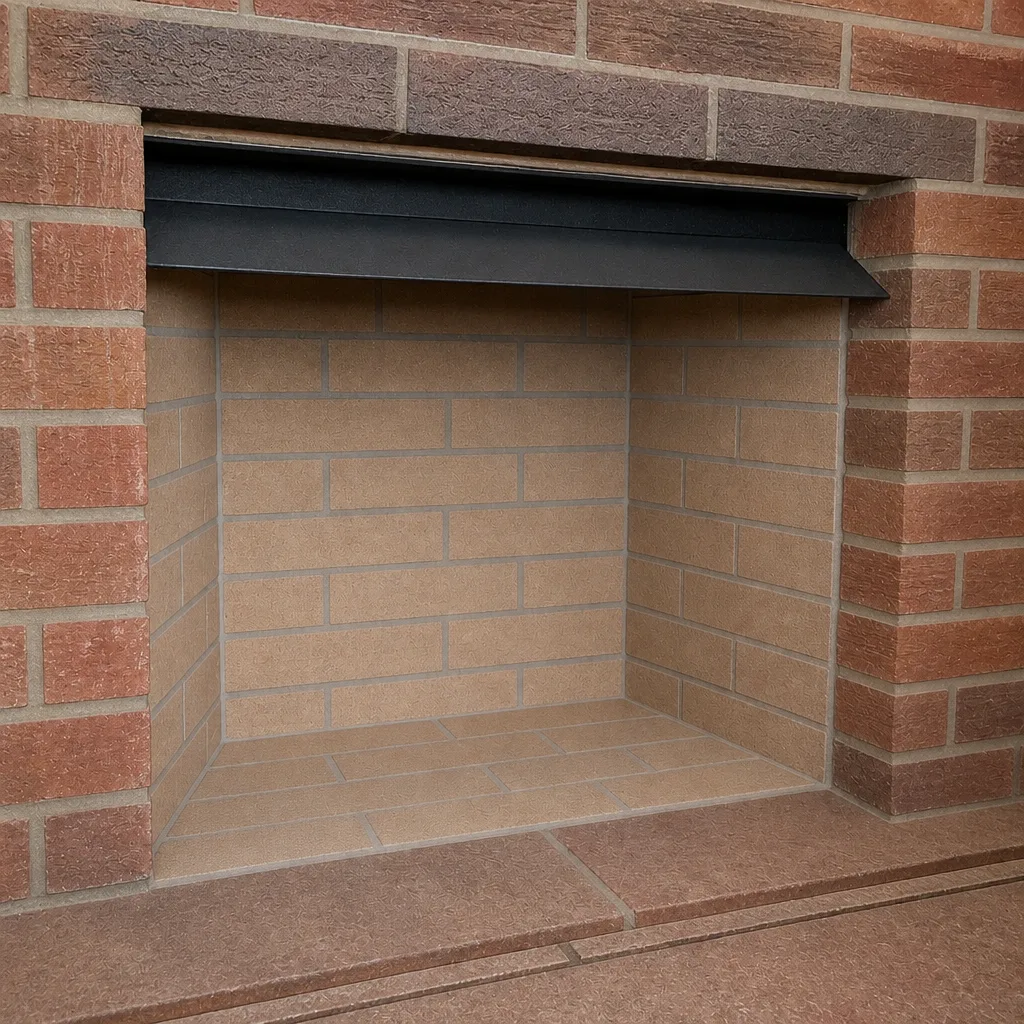
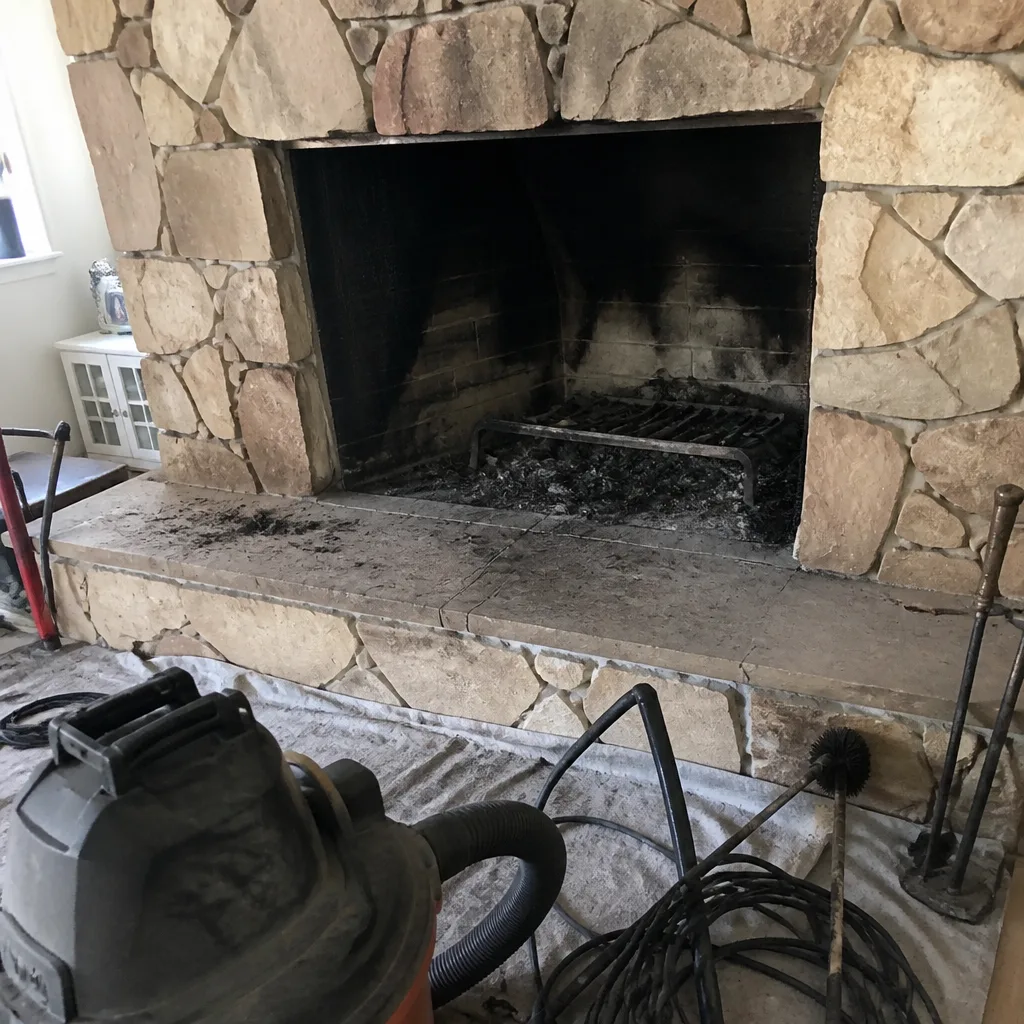
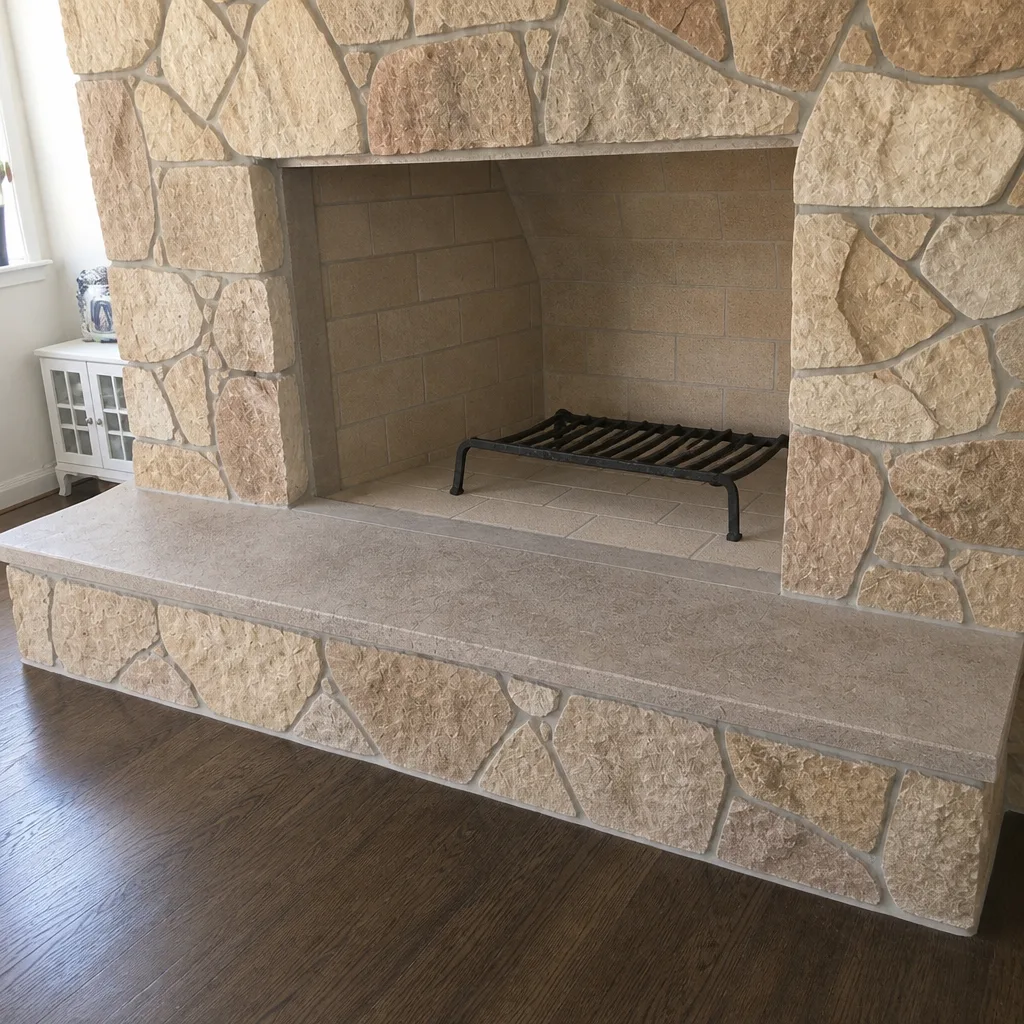
See the difference
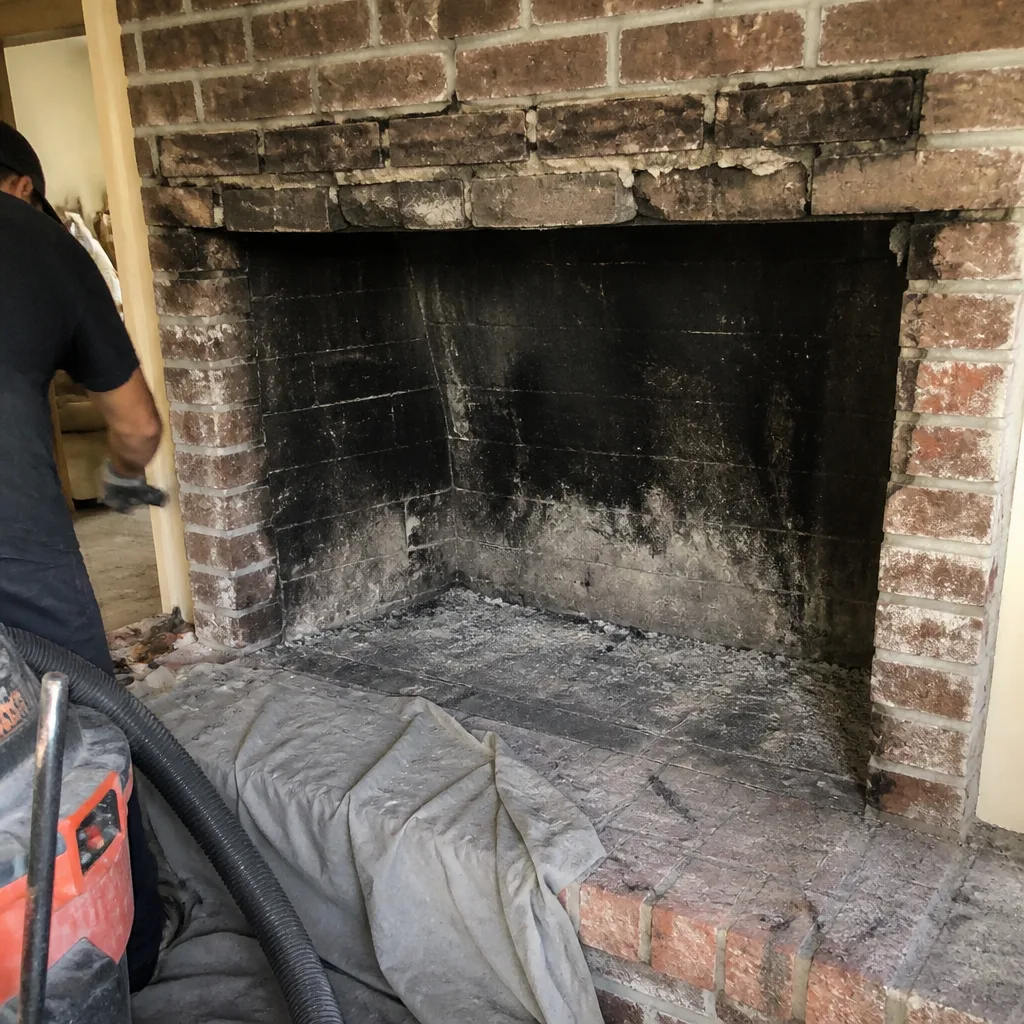 Before
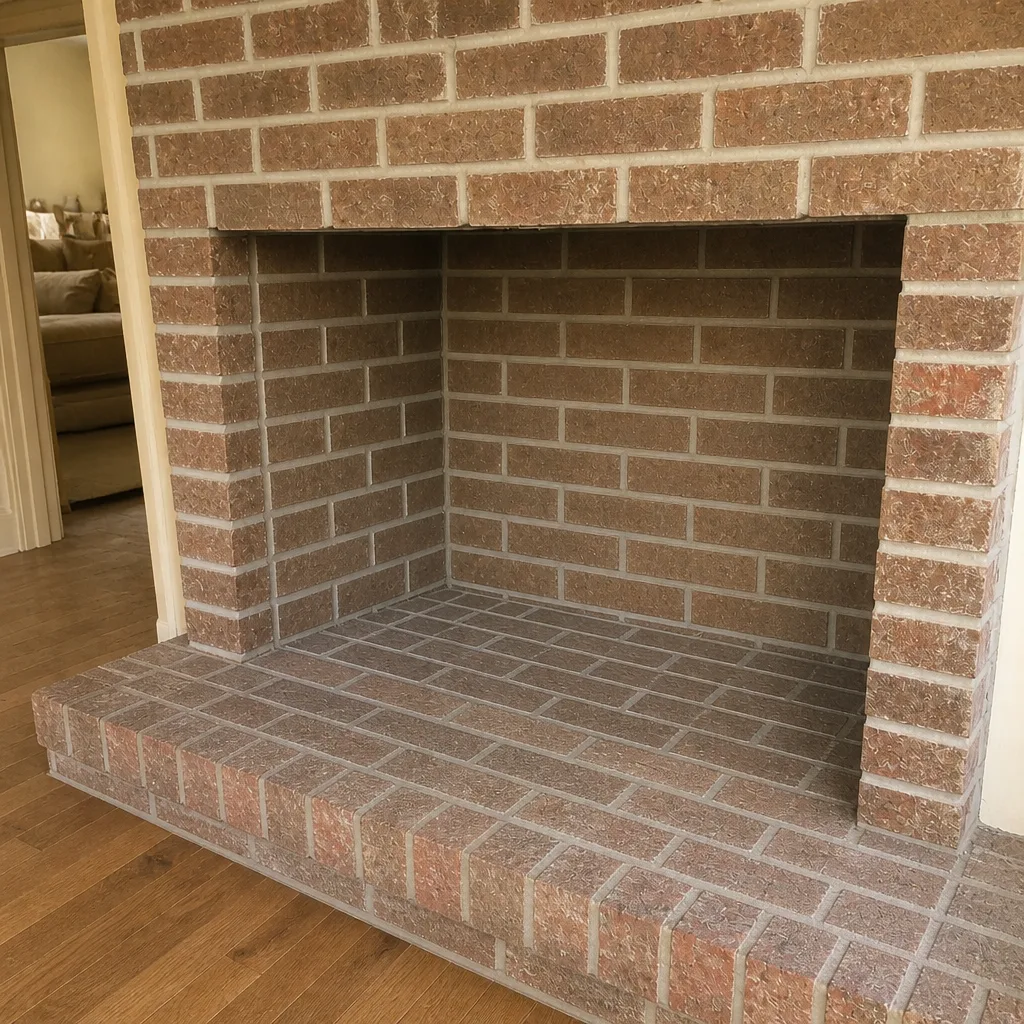 After
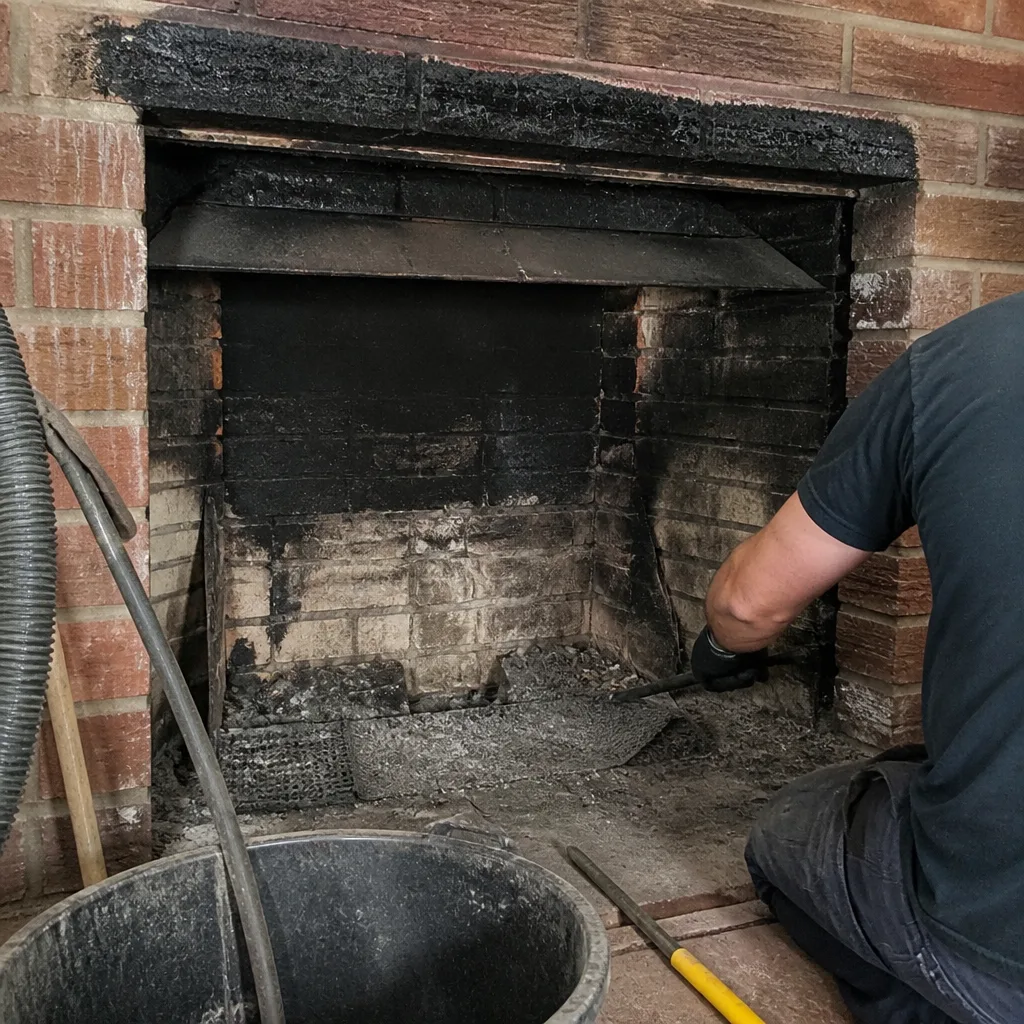 Before
 After
 Before
 After