
Last updated November 24, 2026
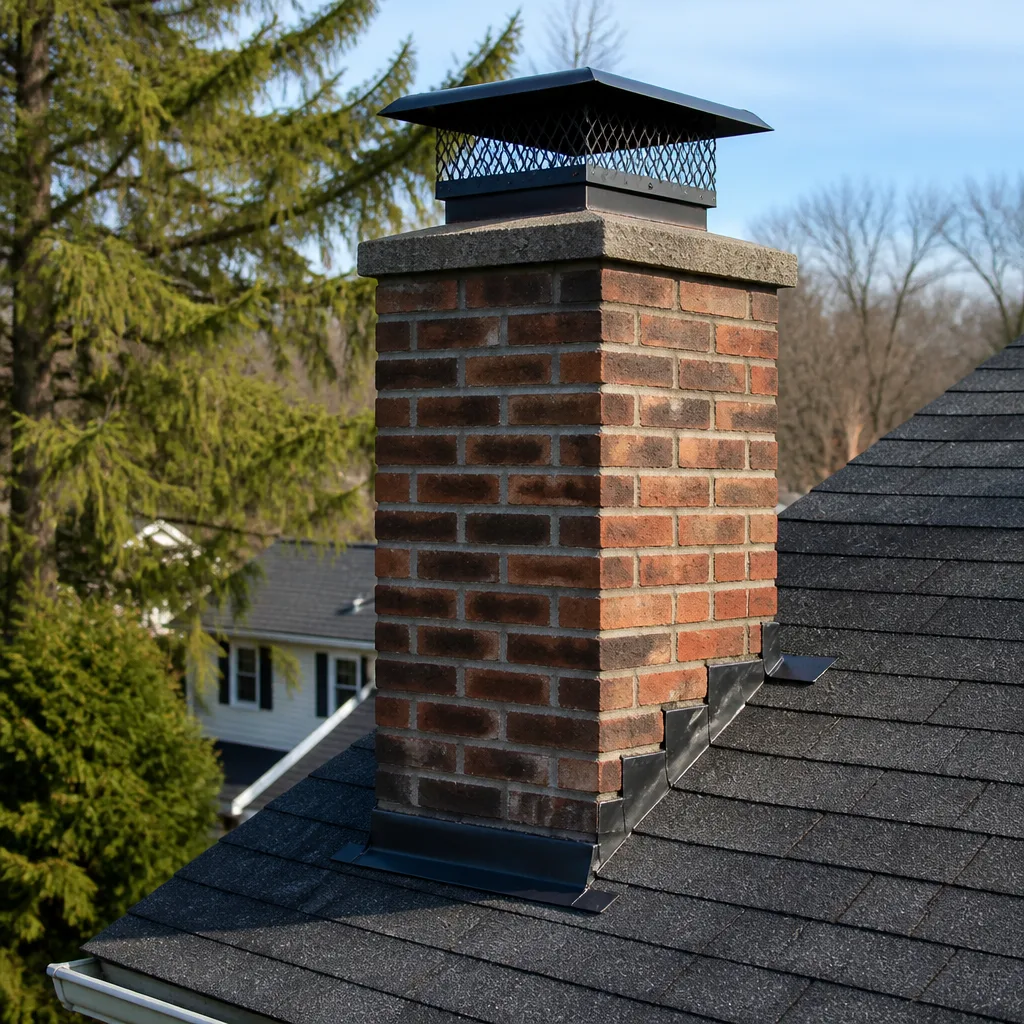 Sweep & inspection
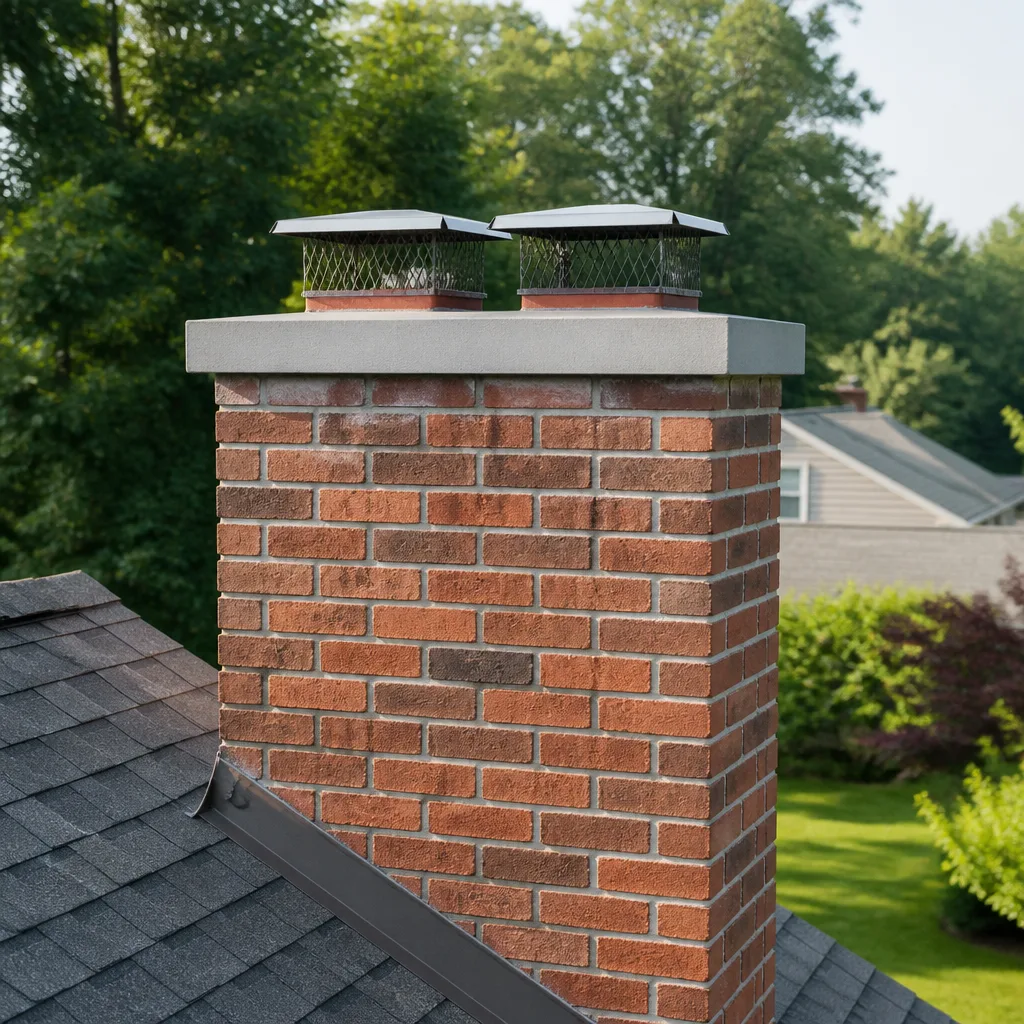 Caps & crowns
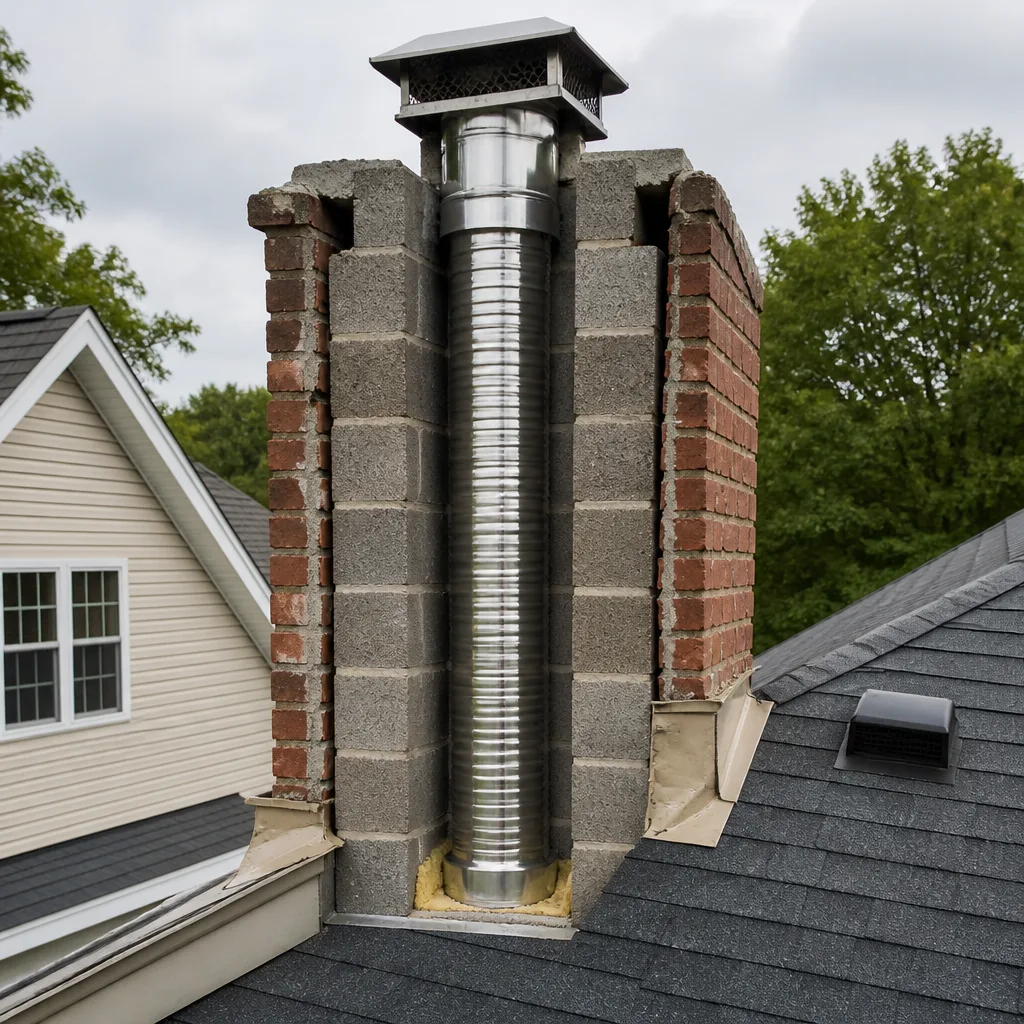 Flue relining
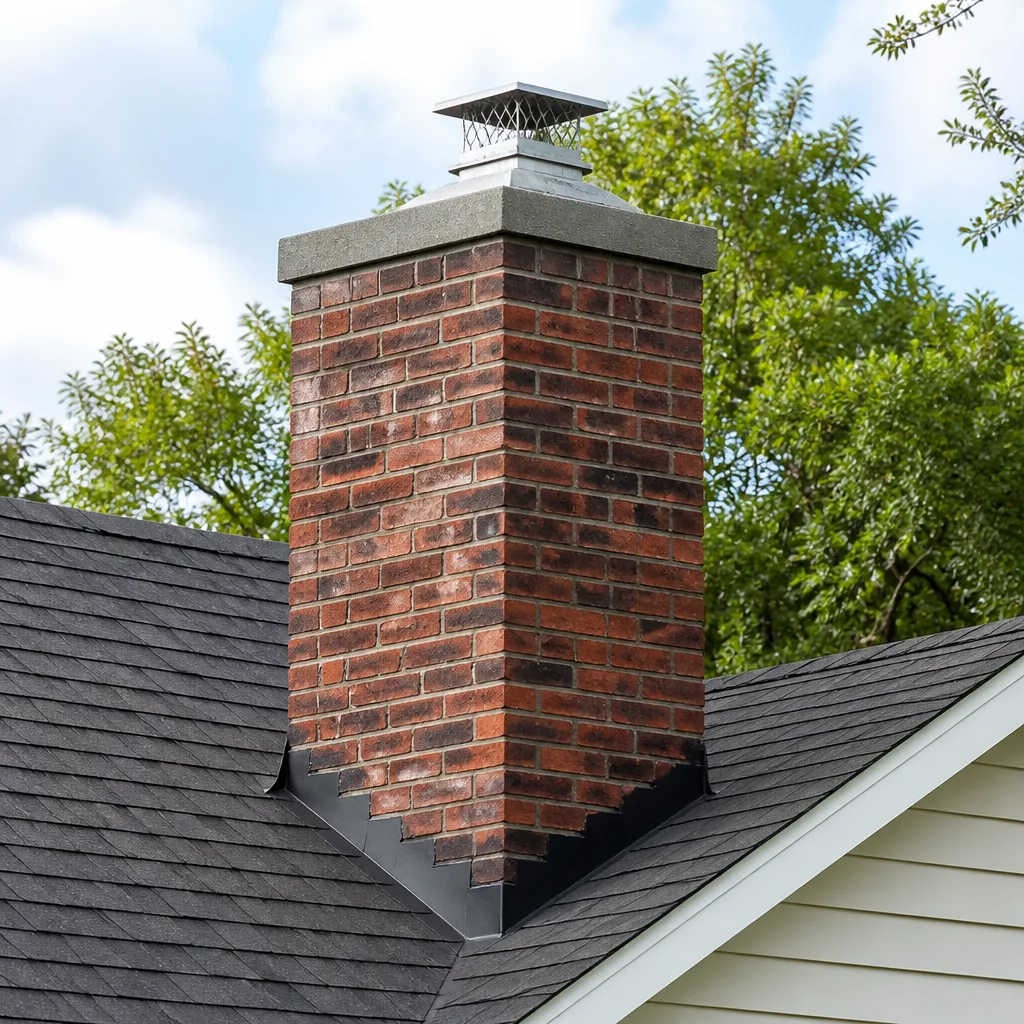 Masonry repair
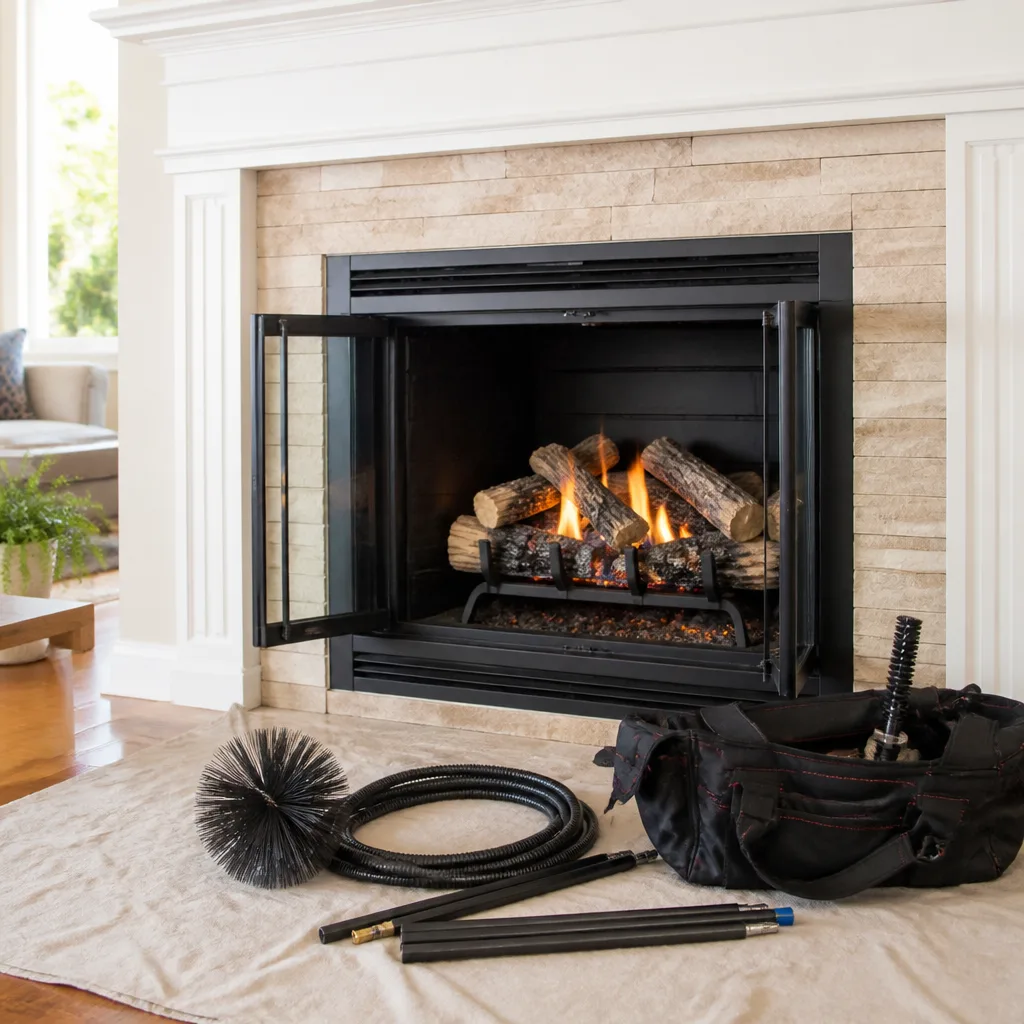 Gas fireplace service
Level 1 sweep and inspection to the NFPA 211 annual standard - flue, crown, cap, and flashing checked and photographed
Chimney sweep logs do not sweep chimneys. They loosen some creosote - which then falls where a brush and vacuum still have to collect it.
Chimney Cleaning Emergency Preparedness Guide for Huntington Beach Homes
A chimney fire doesn’t announce itself the way a house fire does. Most people picture flames shooting from the top of the chimney, and they assume that’s what they’d see if something went wrong. In reality, the dangerous stage often happens inside the flue with nothing visible from the yard at all: a low rumble, a dense smell, a sudden darkening of the firebox. A chimney fire can burn hot enough to damage the flue and spread into the wood framing around it, and the gap between “something sounds off” and the fire department at the door is where preparation matters most. In Huntington Beach, where dry brush sits close to the roofline and Santa Ana winds can carry embers across a yard, that gap deserves a real plan. This guide walks through how to spot one, what to do in the first few minutes, what comes after, and the two maintenance items that prevent the majority of preventable chimney emergencies in Southern California.
Quick Answer
A chimney fire emergency in Huntington Beach starts the same way it does anywhere: with an active fire inside the flue that most homeowners either don’t recognize or misread as normal. The correct first response is to stop feeding the fire, get everyone outside, and call 911 from the driveway rather than staying to watch it. The prevention side comes down to two things you can actually control: the condition of your chimney cap and the creosote stage inside the flue. Checking those is the difference between a routine cleaning and an emergency call.
Styles & brands we work with
- Sweep & inspection
- Caps & crowns
- Flue relining
- Masonry repair
- Gas fireplace service
Table of Contents
- How do you recognize an active chimney fire?
- What should you do in the first five minutes of a chimney fire?
- What happens after a chimney fire in Huntington Beach?
- Why is carbon monoxide the quiet emergency?
- What are the two maintenance items that prevent most chimney emergencies?
- What’s different about Huntington Beach prefab chimney systems?
- How do Santa Ana winds change the risk picture?
- When should you schedule before burning season?
How do you recognize an active chimney fire?
A chimney fire is not always the roaring, visibly flaming event most people picture. There are two broad types, and the quiet one is more common in Huntington Beach homes with older prefab fireplaces. The loud version announces itself with unmistakable sounds; the quiet version can smolder for longer than it should before anyone in the house notices something is wrong. Knowing both sets of indicators is the single most useful thing you can learn before you ever light a fire.
The signs homeowners consistently misread as normal:
- A low, rumbling sound like a distant train. People hear it and assume it’s the neighbor’s truck, a passing aircraft, or wind in the attic. A sustained rumble that doesn’t stop when the wind does is not normal.
- A sharp, crackling popping that continues after the fire has died down. Normal fireplaces crackle while burning. If the crackling continues or gets louder as the visible flames fade, that’s a warning sign.
- Dense, dark smoke pushing back into the room. Smoke where it shouldn’t be – rolling out the top of the firebox, staining the front of the fireplace, or visible around the damper – can mean a blockage or a flue already under pressure.
- A hot smell that isn’t wood smoke. Some describe it as a burning plastic or hot metal smell. If the room has an odd chemical edge to it, stop and take it seriously.
- Creosote flakes or fire-branded debris landing on the roof or in the yard. This one is visible from outside. If you see it happening, treat it as active.
- Discolored or warped chimney cap, or a heat-bubbled rain cover. Damage that appears suddenly on the outside of the cap after a fire points to a hot event inside.
Learned perception matters here. Once you know what the rumble sounds like and what hot metal smells like, you stop dismissing it. That’s the whole point of knowing the cues in advance.
What should you do in the first five minutes of a chimney fire?
The first five minutes of a chimney fire give you three tasks: get out, call, and stop adding fuel. Everything else can wait. There’s no safe DIY method to extinguish a chimney fire, and staying inside to “keep an eye on it” is the choice that costs people the most time. The people who’ve thought through the sequence in advance move through it faster than the ones who haven’t.
- Stop the fire from getting more fuel. If it is safe to do so – reachable without leaning into the firebox or moving hot items – close the fireplace doors or screen and shut the damper. Cutting oxygen slows combustion. Do not attempt this if the firebox is visibly out of control or hot enough that you can’t reach it safely.
- Get everyone out of the house and onto the driveway or sidewalk. All people first, pets if they come when called. Don’t gather belongings.
- Call 911 from outside. Describe what you’ve seen and heard, not just what you can see right now. The fire department needs to know there was a rumble, a hot smell, or debris on the roof – that tells them what kind of fire they’re walking into.
- Tell a neighbor or have someone watch the roof and yard. With Santa Ana conditions, ember tracking onto dry brush is a real concern. Someone watching the perimeter can flag it before the fire department gets there.
- Do not go back inside to move furniture, retrieve valuables, or get a bucket of water. If the flue has cracked or the fire has entered framing, the interior can become dangerous faster than the visual state suggests.
Once the fire department has cleared the scene, don’t relight the fireplace. That’s covered in the next section, because the inspection piece is where people make their second mistake.
What happens after a chimney fire in Huntington Beach?
After a chimney fire, the fireplace is not automatically legal or safe to use again until a trained specialist has inspected the full flue and the surrounding structure. In California, the fireplace is treated as part of the home’s built system. Depending on what the fire damaged, reopening the chimney without an inspection can put the homeowner at risk of a second fire – usually a bigger one, because the first one often leaves the flue unsealed or cracked. The inspection isn’t a formality; it’s the point where you find out what the fire took with it.
Here’s what a proper post-fire inspection looks like in our process, and what should be part of any inspection you commission:
- A video camera inspection of the full flue. Visual checks from the top and bottom miss the middle. A camera shows whether the liner is intact, whether there’s cracking between flue sections, or whether joints have opened. You should be able to see the footage, not just receive a summary.
- Inspection of the firebox, damper, and smoke chamber. These are the parts that take the most heat. Warped metal, cracked refractory panels, or a damper that no longer seals are all red flags.
- A look at the roof-level components: cap, crown, and chase cover. A hot fire can warp a cap, crack a crown, or separate a chase cover from the flue top. All of those lead to water infiltration next rain season – a second emergency waiting a few months downstream.
- A check of any nearby combustibles in the chase or attic. The fire department will usually check the framing and insulation around the chimney. A specialist should confirm the same.
Depending on what the inspection finds, the repair might be a new cap, a HeatShield liner restoration, a full liner replacement, or in the worst case structural repair to the chase. What it will not be is “nothing to worry about, fire it up.” Not after an active fire.
Why is carbon monoxide the quiet emergency?
Carbon monoxide is the second chimney emergency that gets less attention than it should, and it’s part of the same story. A partially blocked flue or a liner with cracks and gaps can let combustion gases escape into the house instead of up and out. The fire might burn normally, the smoke might draft correctly, and the CO can still be present in low, steady amounts that nobody notices until they have symptoms. This is the scenario prevention actually prevents – as in, the work you do before burning season makes it much less likely to happen.
The specific scenarios worth knowing in Huntington Beach:
- A blocked flue from a bird or animal nest. This is why a chimney cap with a properly sized mesh screen matters. An open flue is an invitation for nesting, and the blockages happen during the months the fireplace sits unused.
- A liner with cracks, gaps, or missing sections. In older homes, the flue liner was often built in sections. Over time those joints can fail, allowing exhaust to reach the surrounding masonry or chase instead of staying inside the flue.
- A damaged prefab flue with a compromised inner wall. Prefab systems rely on their metal or refractory inner wall staying sealed. Once it’s compromised, the fireplace is no longer a safe appliance.
- Backdrafting from pressure changes. Exhaust fans, dryer vents, and a tight house can pull combustion gases in the wrong direction. Santa Ana wind conditions can worsen this when pressure shifts outside.
Placement of CO detectors matters as much as having them. The U.S. EPA and Consumer Product Safety Commission both recommend CO alarms on every level of the home and outside each sleeping area, and the alarm itself should be tested per the manufacturer’s schedule. Don’t install a CO detector more than a few feet from the fireplace and nowhere near a ceiling vent – the goal is to catch the gas where the household actually breathes it, not to place it where it will alarm on candle soot. If your detector is old enough that you can’t remember when it was installed, replace it.
What are the two maintenance items that prevent most chimney emergencies?
Two items account for the majority of preventable chimney emergencies we see: cap condition and creosote stage. Both are checkable. Both are fixable. Both are the reason a chimney sweep and inspection ahead of burning season matters more than the sweep itself. An annual chimney sweep puts eyes on both, and an inspection confirms what the cleaning turned up.
Item one: the cap and crown
The chimney cap does two jobs. It keeps water out of the flue, and its mesh screen keeps animals and debris out. When the cap is missing, loose, or has torn mesh, you get one of the most common fire-starting scenarios in Southern California: a nest of dry twigs and brush packed into the flue, waiting for the first fire of the season. When the crown (the sloped concrete top around the flue) is cracked, water gets into the chase and, over time, into the liner system. Water damage to a flue isn’t an emergency today, but it becomes one when the liner starts failing and you don’t know it. A proper chimney cap & crown in good condition removes that whole category of risk.
Item two: creosote stage
Creosote is the residue of incomplete combustion, and it builds up in stages. The early stage is a light, flaky deposit that sweeps out easily. The middle stage is a crusty, sometimes sticky layer. The dangerous stage is glazed creosote – hard, shiny, and fuel for a chimney fire. Glazed creosote is not the kind of thing that sweeps out with a standard brush. It requires chemical treatment or rotary cleaning, and in some cases the liner needs restoration or replacement to fully resolve. The difference between “just due for a sweep” and “one spark away” is the creosote stage, and the only way to know which you have is to look.
Our technicians have up to 9 years of experience reading both signals. If your cap is loose or your creosote is at the glazed stage, we’ll show you on camera and give you the written estimate before any work starts. Nothing gets recommended without camera evidence you can see for yourself.
What’s different about Huntington Beach prefab chimney systems?
A meaningful share of the tract homes across Huntington Beach neighborhoods like South Huntington Beach, Huntington West, and the interior streets near Golden West College have factory-built, or prefab, fireplaces rather than traditional masonry chimneys. Prefab systems are safe when they’re intact, but they’re less forgiving than masonry when something fails. The metal or refractory inner wall of a prefab flue is doing most of the work of containing combustion, and once that wall is compromised – by heat, by a prior fire, by water intrusion – the safe-for-use lifespan of the fireplace is done until it’s addressed.
The reason this matters for emergency preparedness is what prefab systems can do at the point of failure. A damaged prefab flue can allow heat to pass directly into the chase framing without the warning of cracking masonry. In our experience, that’s why a camera inspection on a prefab system matters even when the fireplace looks fine: the visible firebox can give you no sign at all that the inner wall has issues. If you don’t know when your prefab was last inspected, that alone is a reason to schedule one before burning season.
How do Santa Ana winds change the risk picture?
Santa Ana conditions are the local variable that makes chimney emergencies in Huntington Beach a step more serious than they are in wetter or winder-neutral climates. The combination of dry, gusting wind and dry landscaping means that anything that escapes the chimney has something to land on. The risk isn’t abstract: a shower of hot creosote flakes through a damaged cap screen, landing on dry brush in a yard or on a rooftop planter, is exactly the kind of thing that turns a contained chimney event into a property event.
What to do before and during Santa Ana conditions:
- Check the cap screen before you light up. A wind gust through a torn screen can push embers onto the roof or into the yard.
- Clear dry brush back from the chimney’s immediate surroundings. This is landscaping, not chimney work, but it’s the single most effective thing you can do to reduce your home’s exposure to an ember landing.
- Don’t burn on a high-wind night. A fireplace drafting hard against a Santa Ana wind isn’t a fireplace drafting safely. Skip it and burn another day.
- Keep a hose accessible. Not to fight a chimney fire – you don’t – but to knock down any ember landing while the fire department is on the way.
When should you schedule before burning season?
The right time to schedule a chimney inspection and sweep is the weeks before you plan to light the first fire of the season, not after you’ve already been using the fireplace and notice something off. In Huntington Beach, that window runs late summer into early fall, ahead of the first cool nights. After that first burn is when we get the panic calls: something in the firebox smells wrong, smoke is backing up into the room, or a carbon monoxide detector went off the night before. Those calls are preventable with a seasonal check in August or September.
What a pre-season visit covers in a full scope:
- Camera inspection of the flue for liner condition and creosote stage
- A sweep of the flue and smoke chamber
- Cap and crown inspection for damage, loose mesh, and water entry risk
- Firebox and damper check
- Written findings and a flat-price estimate on any issue – agreed before booking, not after
If the inspection finds something that can safely wait, we’ll tell you that too. The point is not to sell you a liner you don’t need; the point is to know the actual state of your chimney system before it matters. A Huntington Beach Chimney Sweep and inspection builds the picture from the firebox up to the crown, and repairs come from the same relationship rather than a second contractor who has to be brought up to speed.
Common Mistakes to Avoid
- Assuming no visible flames means no fire. The quiet, rumbling kind of chimney fire is more common in prefab systems than the roaring version, and it can’t be seen from the outside. If you hear or smell something that doesn’t match a normal fire, treat it as active until a specialist confirms otherwise.
- Staying inside to watch. The five-minute response works because the household is already outside when the fire department arrives. Watching from a living room chair cuts your own time.
- Relighting before the inspection. After an active chimney fire, the fireplace is not in a known-safe state. A camera inspection is the only way to know what the fire did to the flue. Relighting without one is the mistake that leads to a second, bigger fire.
- Putting the CO detector wherever it fits. Placement matters. Outside each sleeping area and on each level, and not five feet from a fireplace grate where normal soot will set it off and train you to ignore it.
- Skipping the cap because the crown “looks fine.” The crown and cap fail separately. A cap with torn mesh that still sits on a solid crown is still a fire risk on a Santa Ana night, because the mesh is what stops embers and nesting.
- Burning wet or unseasoned wood. This is one of the largest contributors to creosote buildup in the first place. In Huntington Beach, with mild winters, wood often sits out longer than it should and doesn’t dry properly. Seasoned wood matters.
- Ignoring liner cracks because the fire “still drafts fine.” A cracked liner doesn’t necessarily stop drafting. It can still pull carbon monoxide into the chase and the house. The sign isn’t a smelly fire; the sign is a CO alarm or a crack in the camera footage.
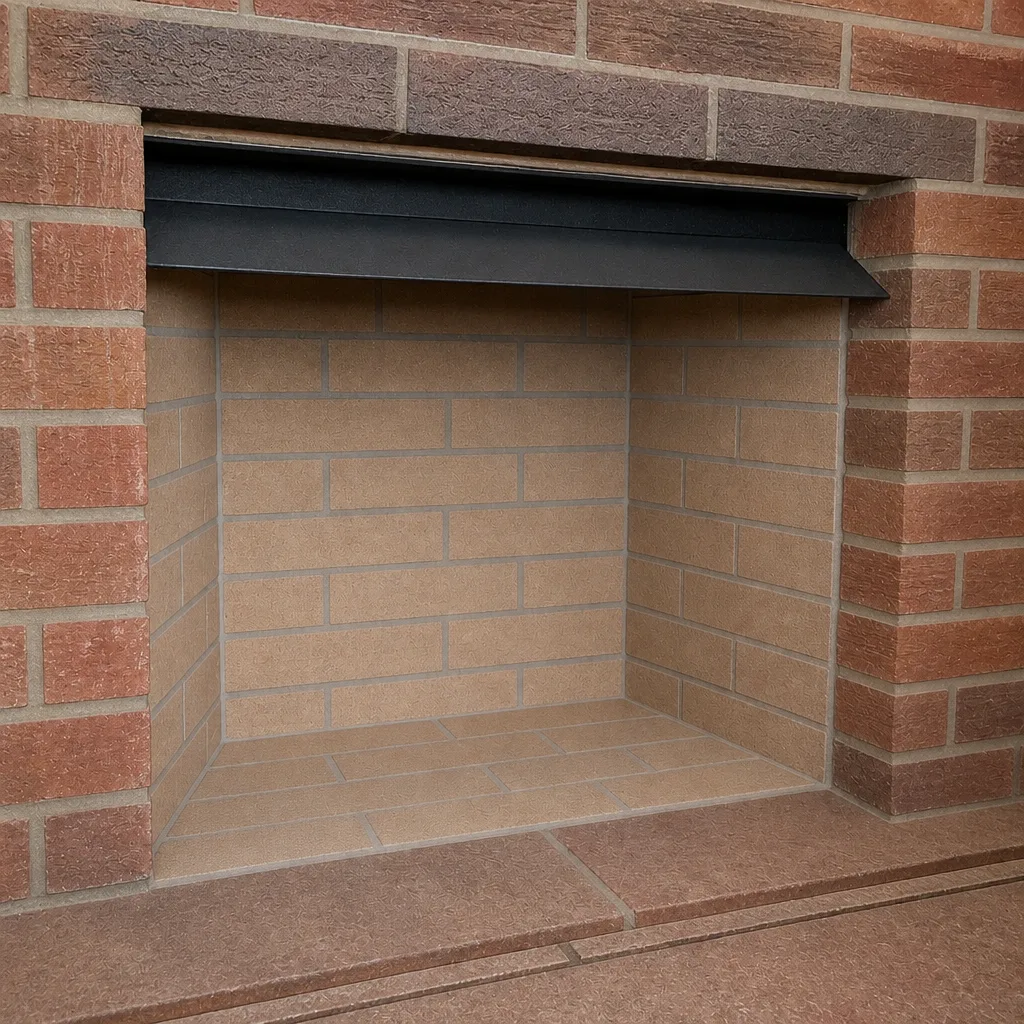
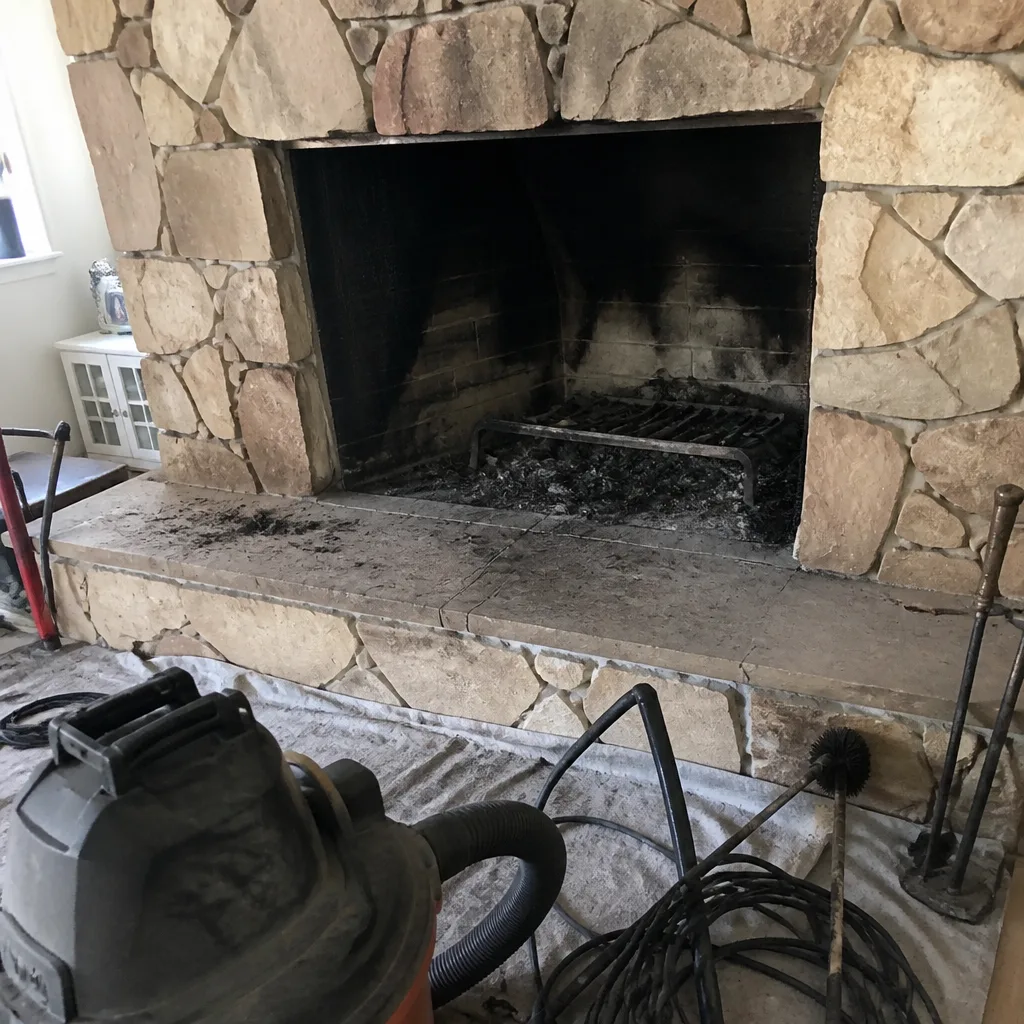
See the difference
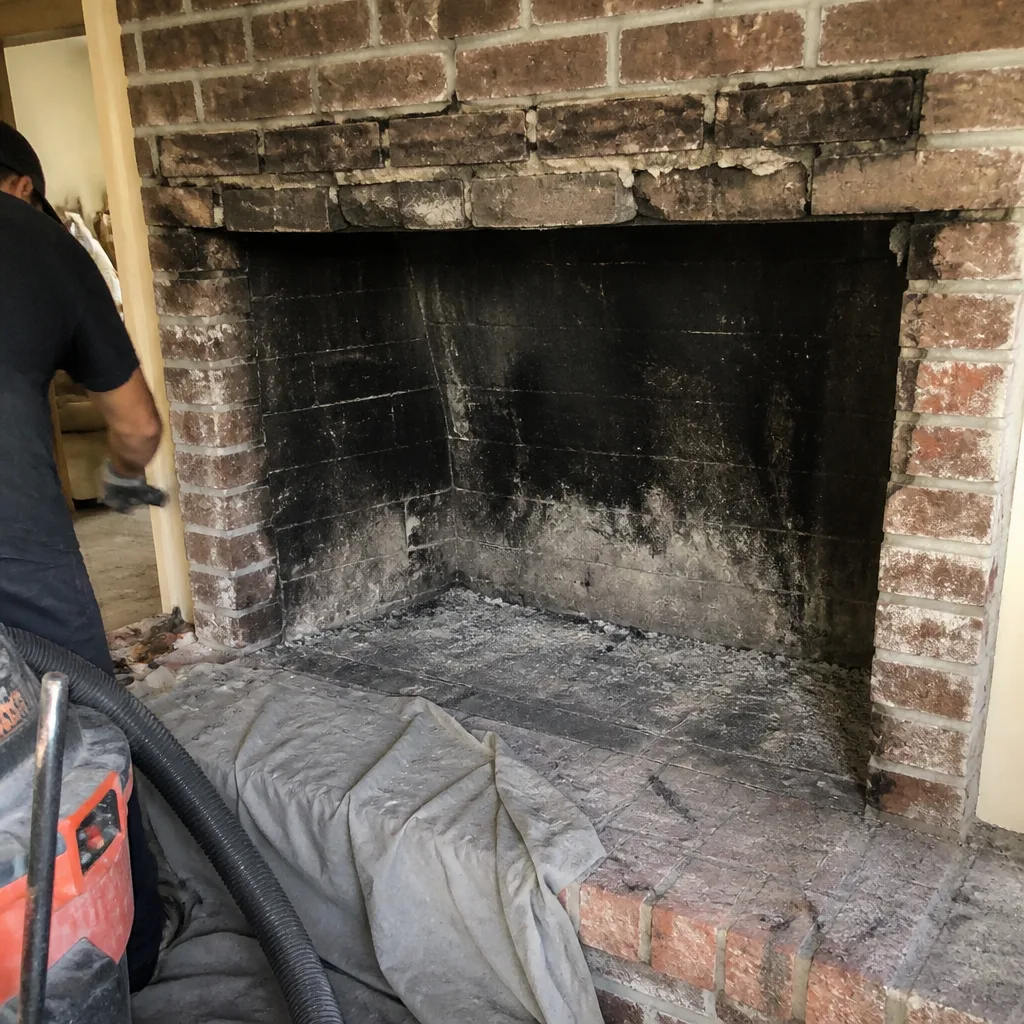 Before
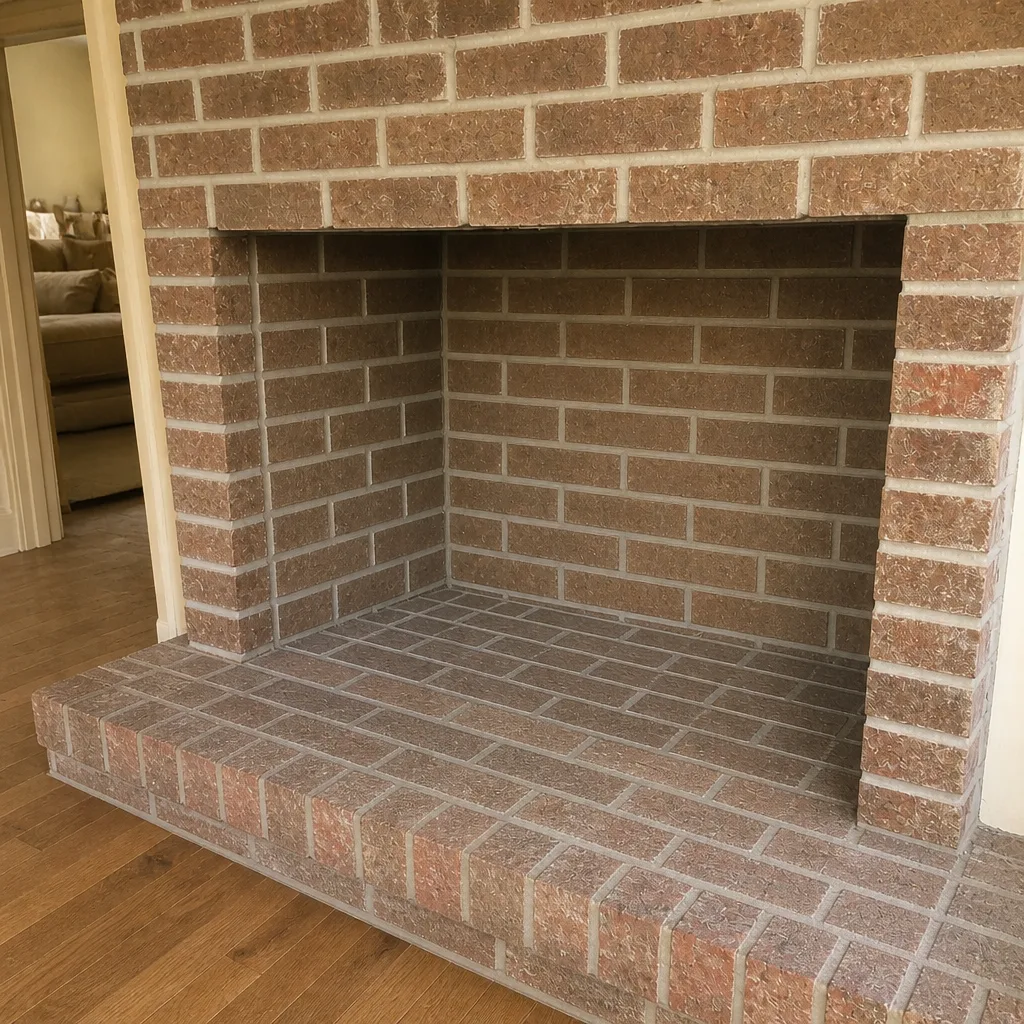 After
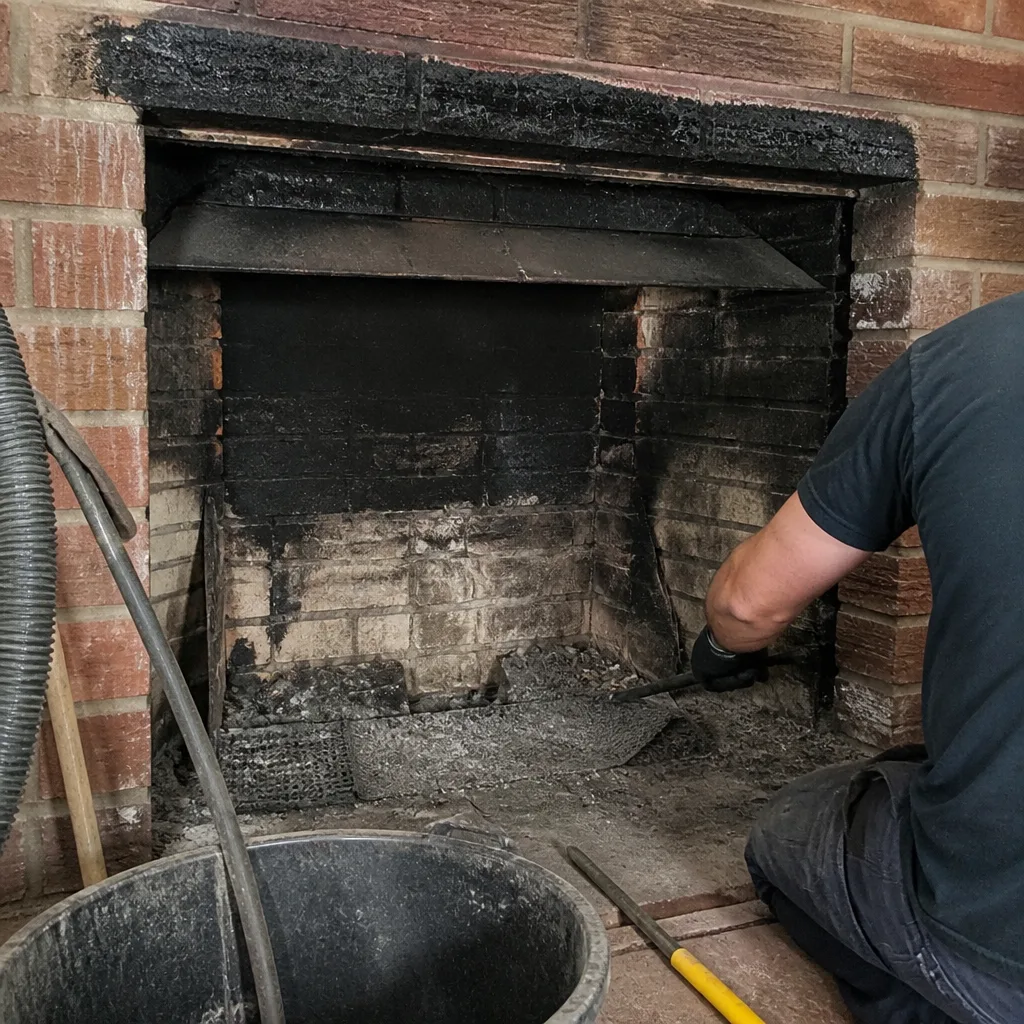 Before
 After
 Before
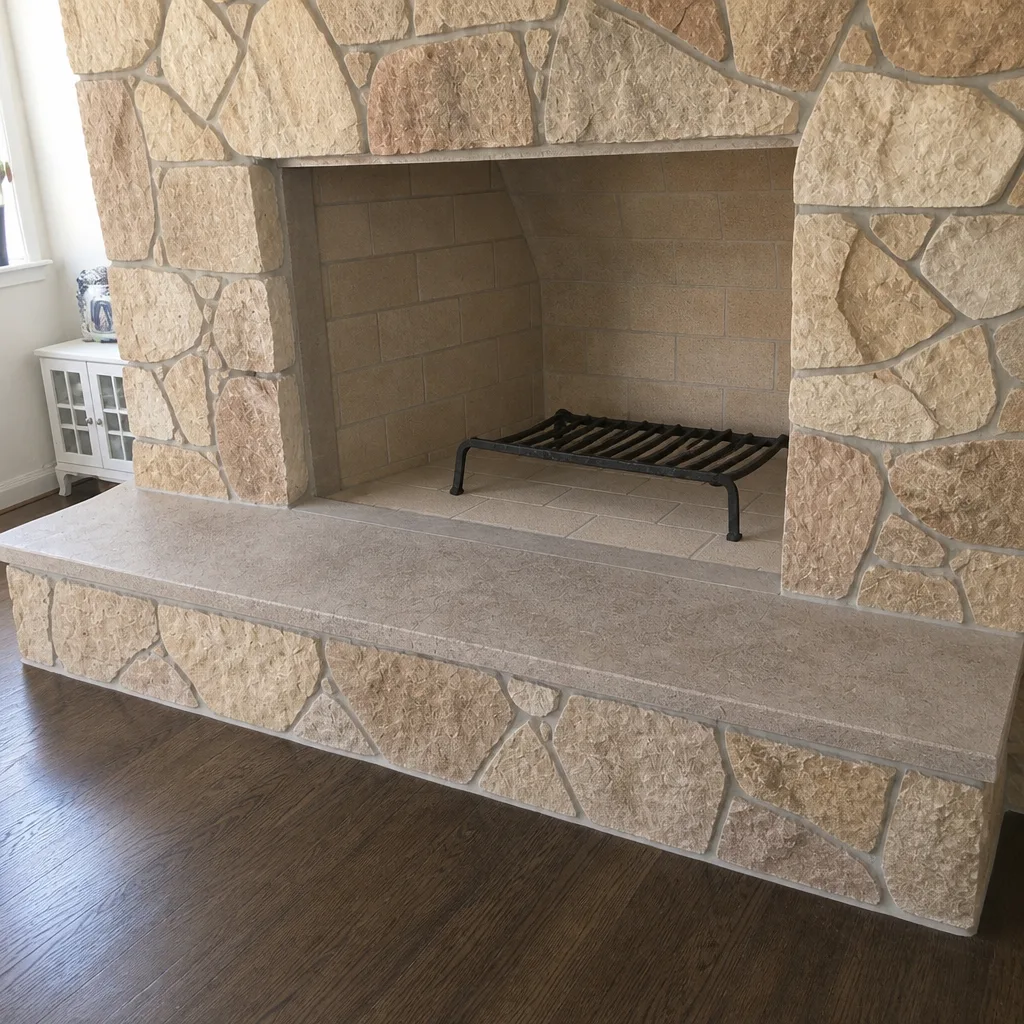 After
When to Call a Professional
Call us for anything in the following list, and don’t wait for it to become urgent: a chimney fire has occurred, even if it seems small; your CO detector has gone off; you smell a hot metal or burning plastic smell at the fireplace; your firebox shows new staining, cracks, or warping; a cap has come loose or torn after a wind event; you’ve never had a camera inspection on the flue; or you’re getting ready to light the first fire of the season and haven’t had the chimney checked. We install DuraFlex flexible liners and perform HeatShield liner restoration, and we carry professional cap and crown products from Olympia Chimney, so the inspection and the fix come from one relationship instead of two. Huntington Beach Chimney Sweep offers free estimates in Huntington Beach – call (877) 792-6728. We answer 24/7. Fast dispatch from 7am to 7pm, Sunday through Friday.
Frequently Asked Questions
The most common evidence after the fact is a low, rumbling sound during the fire, a hot metal or burning plastic smell, and visible damage at the top of the chimney – a warped cap, a heat-discolored rain cover, or fresh creosote debris on the roof. If any of those match what happened, treat the fireplace as un-inspected and don’t relight it until a camera inspection confirms the flue condition. Call (877) 792-6728 to get on the schedule – estimates are free.
Not until a trained specialist has inspected the flue and confirmed the liner and surrounding structure are intact. Depending on what the inspection finds in a Huntington Beach home, the answer could be “after a sweep and a cap repair,” “after a HeatShield restoration,” or “after a liner replacement.” What it won’t be is “without an inspection.” Call (877) 792-6728 for a camera inspection and a written estimate.
Once a year if you use the fireplace regularly, and once a year regardless of use if you haven’t had a camera inspection in that window. In Huntington Beach, the mild winter means people often burn less often but let the chimney sit longer between checks, which is exactly when creosote stage and cap condition drift out of sight. Call (877) 792-6728 to book a sweep ahead of the season.
Two things tend to happen. Creosote moves from the sweepable stage into the glazed stage, and the price to restore the liner goes up because the harder deposit needs more than a standard sweep. And the cap situation drifts – loose mesh, missing screen, cracked crown – until the first dry wind puts embers somewhere they shouldn’t be. Call (877) 792-6728 for an inspection before the season starts.
It’s a chimney risk for wood-burning fireplaces too. A partially blocked flue or a liner with cracks and gaps can let combustion gases into the house instead of up and out. Place CO detectors outside each sleeping area and on every level, and if yours has gone off near a fireplace, stop using it and get the flue inspected. Call (877) 792-6728 to schedule.
Not always, and nobody should tell you otherwise without camera evidence. Some fires leave the liner intact and only require cleaning and a cap repair. Others crack the liner sections or open the joints enough that a restoration or replacement is the only safe option. We show you the footage either way. Call (877) 792-6728 for a camera inspection and a written estimate before any work is booked.
Treat it as a priority before the next fire. A missing or loose cap means the flue is open to nesting and to ember escape, and it’s the single cheapest fix that prevents the biggest category of chimney emergency. Call (877) 792-6728. We answer 24/7. Fast dispatch from 7am to 7pm, Sunday through Friday.
The Bottom Line
Chimney fire emergencies in Huntington Beach are preventable more often than they’re not. The two items that account for most of the preventable ones – cap condition and creosote stage – are both checkable, and checking them before the season beats reacting to them in the middle of it. If a fire does happen, the response sequence is: stop adding fuel, get outside, call 911, and don’t relight until the flue has been inspected. Carbon monoxide is the quiet version of the same problem, and detector placement is part of the plan. We handle the inspection, the sweep, the cap and crown work, fireplace repair, and liner restoration from one specialist, and we won’t recommend a repair without camera evidence you can see. If your chimney hasn’t been looked at this year, that’s the place to start. Call (877) 792-6728 for a free estimate. We answer 24/7. Fast dispatch from 7am to 7pm, Sunday through Friday.
Written by the team at Huntington Beach Chimney Sweep.