
Last updated November 24, 2026
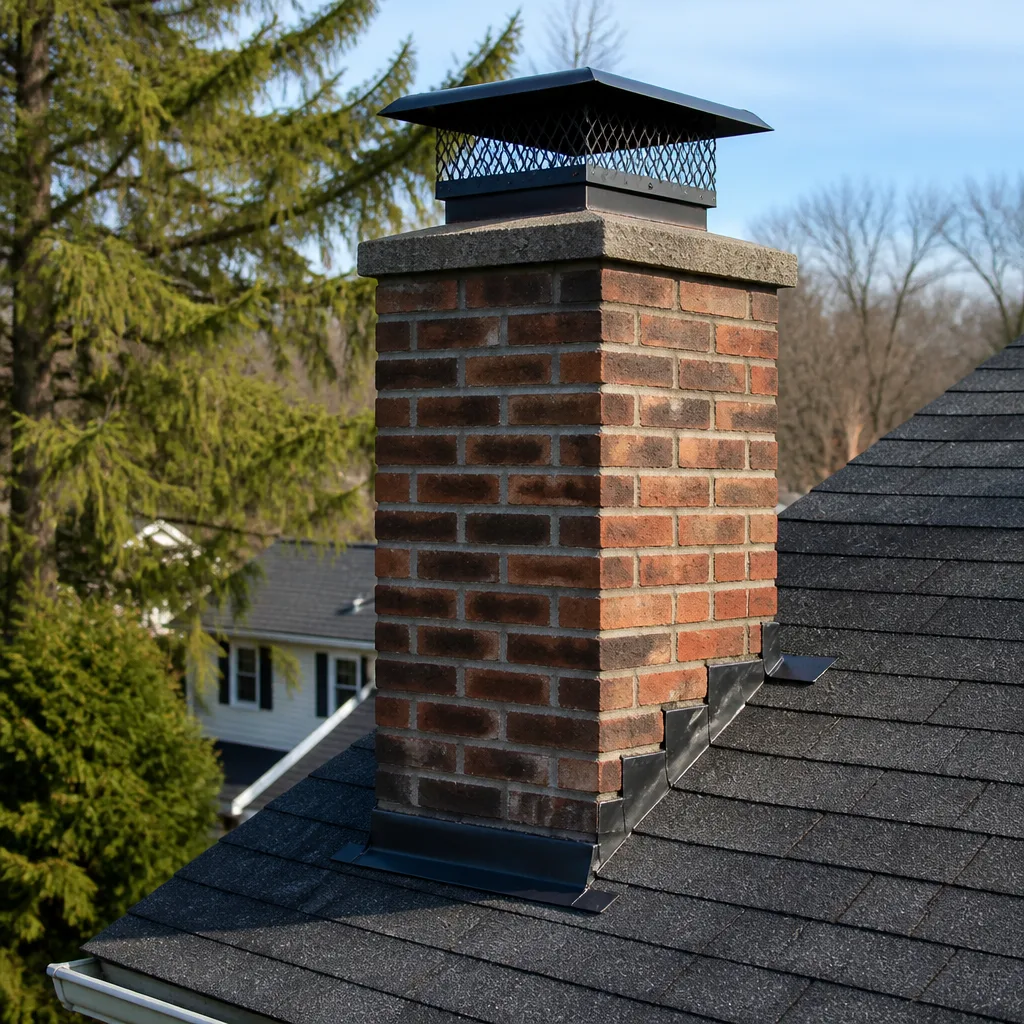 Sweep & inspection
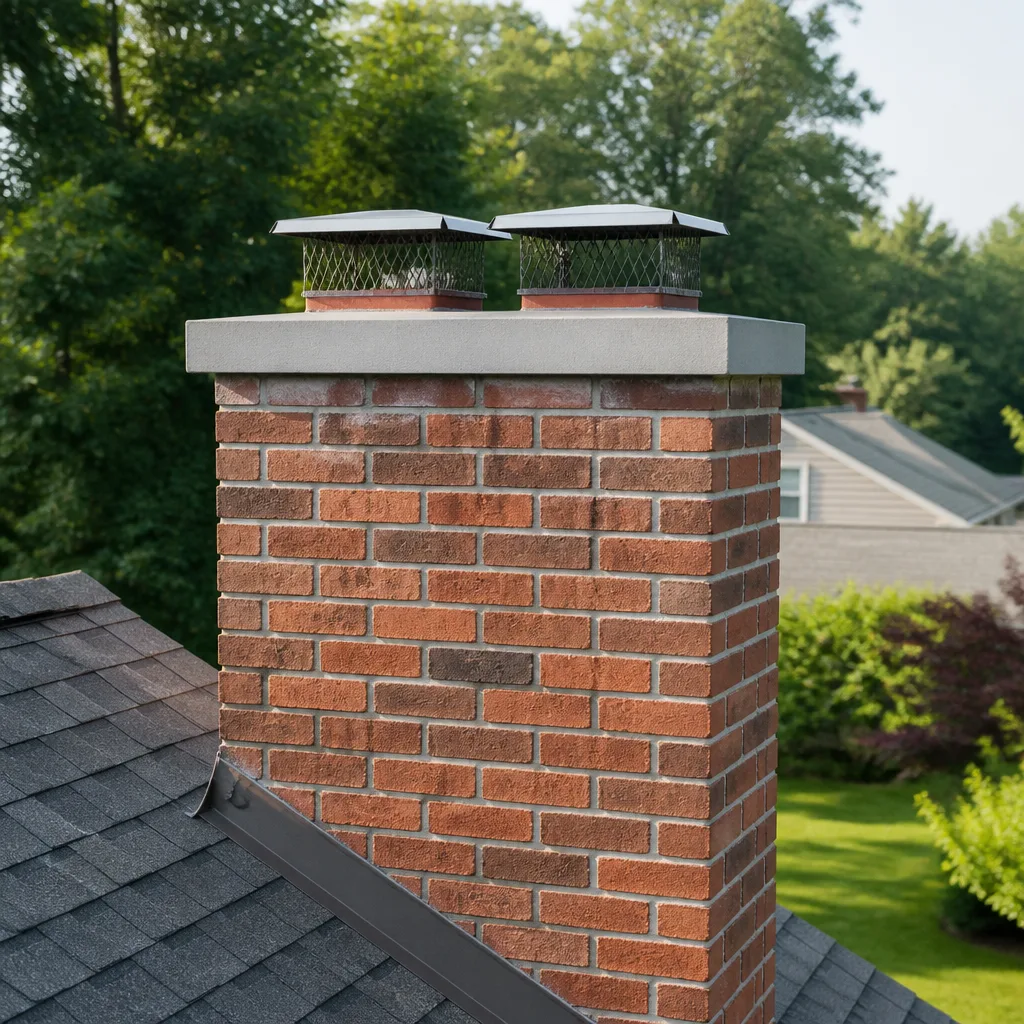 Caps & crowns
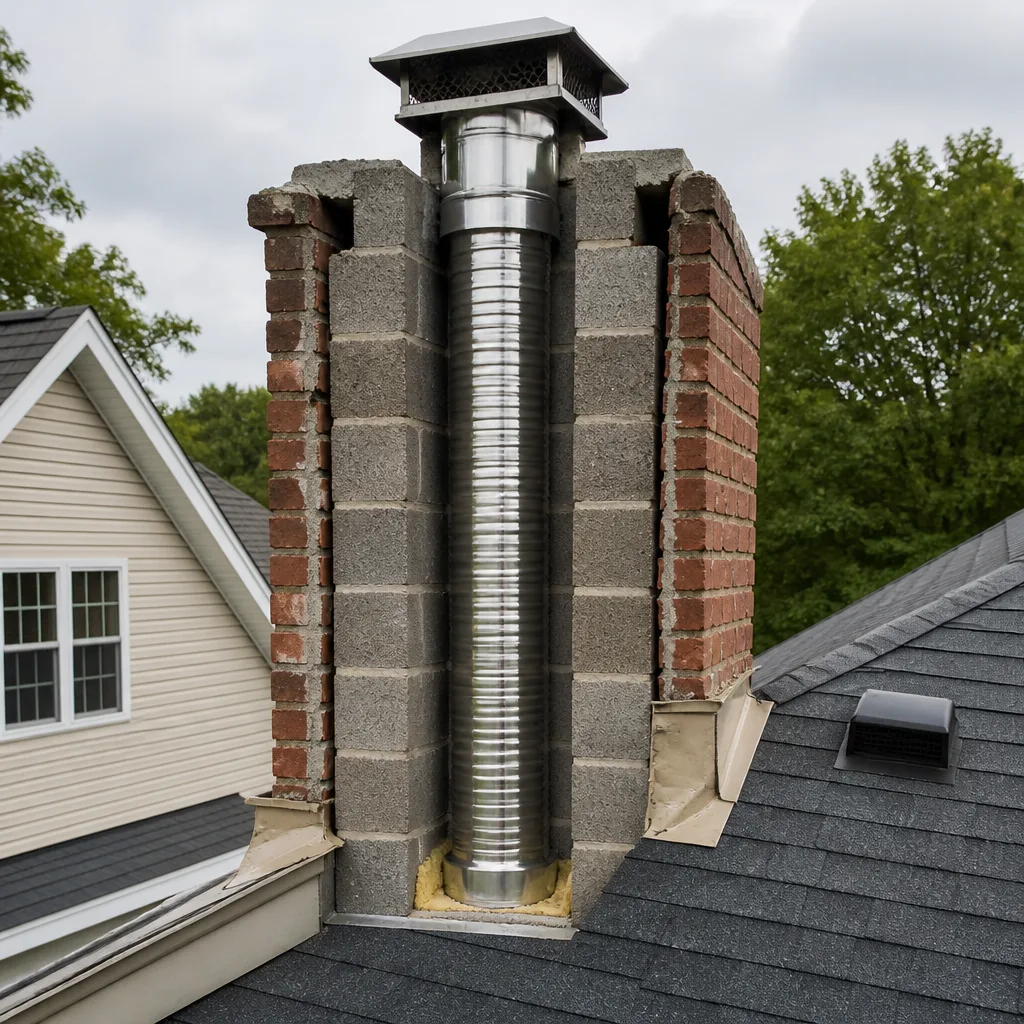 Flue relining
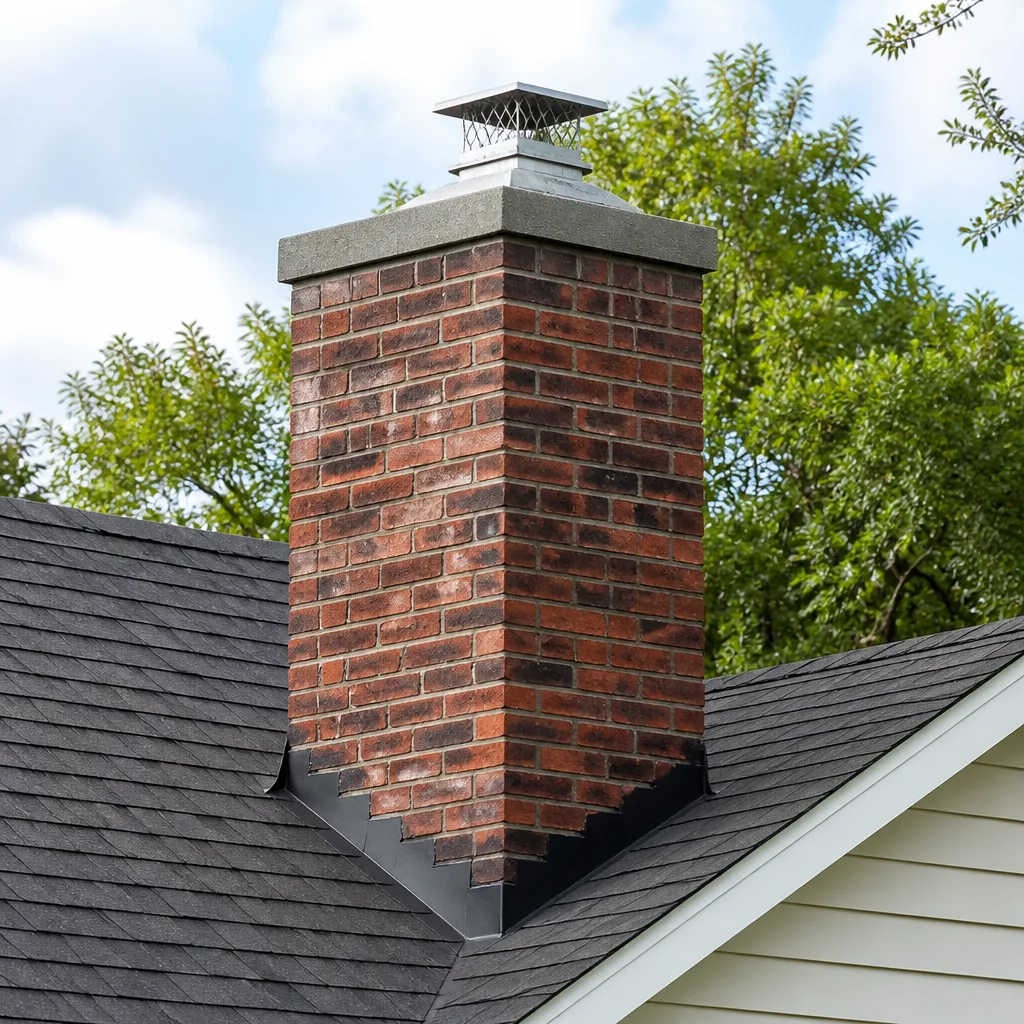 Masonry repair
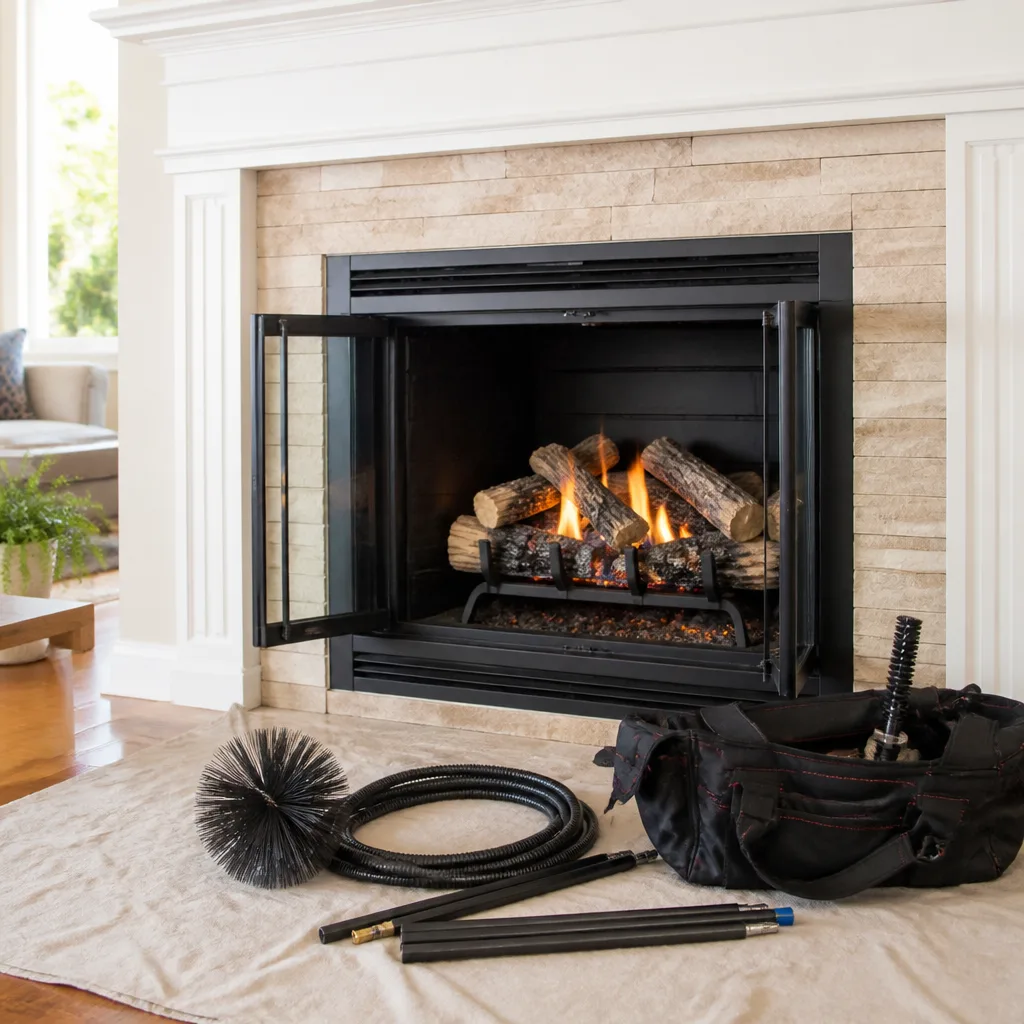 Gas fireplace service
Level 1 sweep and inspection to the NFPA 211 annual standard - flue, crown, cap, and flashing checked and photographed
Chimney sweep logs do not sweep chimneys. They loosen some creosote - which then falls where a brush and vacuum still have to collect it.
Chimney Cleaning Permits, Codes & Inspections in Huntington Beach, CA: What You Need to Know
Most homeowners assume the permit question comes up before a chimney sweep, not after. The opposite is true. A routine cleaning in Huntington Beach is permit-free, and almost nobody asks about paperwork for it. The permits enter the picture the moment the inspection turns up something that needs rebuilding: a cracked flue liner, a wasted firebox, a chase cover that’s rusted through. Those three jobs are where California building code and City of Huntington Beach requirements apply, and where skipping the permit quietly becomes a resale problem years down the road. This guide draws the line clearly: what’s exempt, what needs a permit, how to verify your contractor is pulling one, and what a real estate inspection expects to see. Huntington Beach is a city of older beach-adjacent homes and newer tract builds, and both come with their own permitting wrinkles.
Quick Answer
A routine chimney cleaning in Huntington Beach does not require a permit. A building permit is generally required once the work becomes structural or changes the chimney system: full flue liner replacement, firebox reconstruction, chase cover replacement, chimney rebuilds, and any alteration to the chimney’s framing or height. Cosmetic sweeping, cap replacement where no chase work is involved, and inspection alone are typically permit-exempt. Always confirm with the City of Huntington Beach Building Division before work starts, because the final answer depends on the scope and the inspector’s read of it.
Styles & brands we work with
- Sweep & inspection
- Caps & crowns
- Flue relining
- Masonry repair
- Gas fireplace service
Table of Contents
- Which chimney jobs are permit-exempt in California?
- Which chimney jobs trigger a building permit in Huntington Beach?
- How Huntington Beach’s local amendments affect fireplace and chimney work
- What happens at a home sale if unpermitted chimney work is discovered
- How to verify your contractor is pulling permits
- CSIA Level 2 inspections in real estate transactions
- What a proper inspection report must document
- Why Huntington Beach homes age the way they do
Which Chimney Jobs Are Permit-Exempt in California?
The cleanest way to think about permits is by what changes. If the work leaves the chimney structurally identical and only cleans or inspects it, no permit is typically required. If the work alters how the chimney is built, lined, or attached, a permit is usually in play. California’s building code treats the chimney as part of the structure, so any repair that touches masonry, framing, or the flue itself falls under the same scrutiny as a wall or roof repair.
The following are generally permit-exempt in Huntington Beach and across California:
- Routine chimney sweeping. Brushing and vacuuming the flue to remove creosote and soot is maintenance. No permit, no inspection needed at the city level.
- Level 1, 2, or 3 chimney inspections. The camera work, documentation, and report are diagnostic. Nothing is altered.
- Cap replacement where no chase modification is required. Swapping a damaged cap for a properly sized replacement typically doesn’t trigger a permit.
- Minor crown patching. Cosmetic patching of a small crack, without rebuilding the crown structure, is usually treated as maintenance.
- Fireplace screen, grate, and damper hardware. Removing and replacing these components involves no structural change.
The line gets fuzzy with jobs that sit between “maintenance” and “repair.” A small crown crack that’s sealed is usually fine. A crown that’s been rebuilt from new mortar is a structural repair and likely needs a permit. Ask the city before you assume, and get the answer in writing. Our team confirms permit scope on every job we recommend, and we note it in the written estimate so nobody is guessing later. That matters most in Huntington Beach, where homes range from mid-century builds near the downtown core to newer construction inland, and the age of the chimney changes how much of a “small” repair really is.
Which Chimney Jobs Trigger a Building Permit in Huntington Beach?
California Building Code Section 2111 governs masonry and factory-built chimneys, and it anchors the permit conversation. The section addresses chimney construction, seismic restraint, clearances, and the structural integrity of the flue. Local amendments layered on top by the City of Huntington Beach add the practical rules inspectors actually enforce. The detail that catches homeowners off guard: most of these repairs are not “come back next week” projects. If the contractor starts work without the permit, the inspector who later finds the changed structure has no obligation to approve it retroactively.
In our experience, the following chimney jobs in Huntington Beach typically require a building permit:
- Full flue liner replacement. Relining changes the flue system. A permit is normally required, and the final inspection confirms the new liner meets clearance and material requirements.
- Firebox reconstruction. Rebuilding the firebox means new masonry or new panels and new refractory mortar. That’s structural work.
- Chase cover replacement. On a prefabricated chimney, the chase cover is part of the exterior envelope. Replacing it involves the metal cap assembly, sealant system, and sometimes the top of the framing.
- Chimney rebuilds. Anything from the roofline up that involves re-laying brick, replacing the crown structure, or altering chimney height.
- Seismic upgrades. Adding strapping, bracing, or a new foundation for a masonry chimney falls under structural repair.
- Fireplace insert installation. Gas or wood insert installs involve the flue and, in most cases, the firebox opening. The city wants to see the clearance documentation.
What homeowners most often miss: liner restoration is not the same as liner replacement. Products like HeatShield restore a deteriorating liner in place, and depending on the extent of restoration it can fall on either side of the permit line. We flag that openly. If the restoration crosses into relining, we say so and pull the permit. If it’s a repair within the existing liner, we say that too. The chimney sweep finds the problem, but it’s the follow-on scope that determines the permit, and that scope should be documented before anyone touches the chimney.
How Huntington Beach’s Local Amendments Affect Fireplace and Chimney Work
Huntington Beach adopts the California Building Code with local amendments, and those amendments matter most on fireplace and chimney repair work that touches the building envelope. The city’s building division reviews projects against both the statewide code and the local additions, which typically address seismic restraint, exterior finish integration, and documentation of existing conditions when the home is older.
The practical effects Huntington Beach homeowners should know about:
- Seismic restraint documentation. Any work touching the chimney’s attachment to the structure may need a plan showing anchorage, not just a verbal scope.
- Exterior finish matching. If the repair touches the stucco, siding, or brick veneer, the permit review typically requires a plan for matching the existing finish. A patch that reads as an obvious repair often fails the final inspection.
- Existing conditions on older homes. A mid-century chimney may have already been modified by a previous owner without permits, and the inspector may require documentation of those existing conditions before approving new work on top of them.
- Clearance verification. Repairing a firebox or relining the flue is a good moment for the inspector to verify clearances to combustibles were and remain correct.
We’ve seen phone calls go sideways on this point: a homeowner asks whether a crown repair needs a permit, gets a different answer than they expected, and the job stalls. That’s usually because the crown repair was described as cosmetic when it was actually structural. The fix is a written scope and a phone call to the city before the work is described to anyone. From the firebox to the crown, the question is always the same: does this change how the chimney is built or attached? If yes, the permit is almost certainly required.
What Happens at a Home Sale If Unpermitted Chimney Work Is Discovered
Unpermitted chimney work is one of the quieter problems in a Huntington Beach real estate transaction, and it usually surfaces in the same way. The buyer’s inspector looks up the chimney, then down the flue, and flags the repair as “work performed without documented permit.” The seller gets a call. The buyer’s agent starts asking for records. And at that point, the structure of the deal is decided by how the seller responds.
The typical sequence:
- Discovery. The buyer’s inspection notes the repair, and the report documents the absence of a permit record in the city’s system.
- Documentation request. The buyer’s agent asks the seller for the permit, the final inspection record, and the contractor’s scope.
- Options if documentation doesn’t exist. The seller can retroactively permit the work (if the city will allow it), disclose the unpermitted condition to the buyer, or take the work out to the seller’s cost before close. Each path has a different financial shape.
- Negotiated resolution. Depending on the market and the severity, the buyer may accept a credit, require the work to be brought to code, or walk away.
What homeowners should understand: the financial exposure is rarely the permit cost itself. It’s the discovery cost, the retroactive plan review, the possibility that the existing repair needs to come out, and the time it takes to get a retroactive permit approved. That’s the part that changes timelines on a sale. Untangling what’s actually been done from what was permitted is harder than people think. We’ve had customers ask us to inspect a chimney precisely because the seller’s disclosure paperwork was thin on the repair history, and the inspection paid for itself in what it surfaced. From there, you have options. From a hasty closing, you don’t.
How to Verify Your Contractor Is Pulling Permits
The honest answer is that the vast majority of chimney work doesn’t need a permit, and most contractors are not trying to avoid one. The problem is that a subset of contractors prefers to keep the paperwork small, and homeowners only find out later. The verification steps below take fifteen minutes and remove the doubt.
- Ask directly and put it in the written scope. “Is a permit required for this scope?” should appear in your written estimate, with a yes or no answer, and the contractor’s name attached.
- Check the city’s permit portal. Huntington Beach maintains a public permitting system. The permit should be pulled in the property owner’s name or the contractor’s name with the address listed.
- Confirm the contractor’s identity. The name on the permit should match the company doing the work, not a subcontractor nobody can trace. Ask for the license number and look it up through the state’s public license search.
- Watch for “we’ll just handle it.” If the contractor asks you not to involve the city, or offers to do the work under a “handyman” scope, that’s the moment to pause.
- Request the final inspection record. The final inspection sign-off from the city is the document that matters at resale. Get a copy.
- Verify the close-out paperwork. Even a well-permitted job has a gap between “inspection passed” and “the homeowner has the paperwork.” Ask for both.
We confirm permit scope in writing before the work is booked, and we help homeowners request the final inspection records if they’ve lost the originals. That’s part of what “one call, full picture” means on a job where the inspection and the permit need to agree with each other. A note of caution on the referral question: if a friend or neighbor recommends a contractor, verify the license the same way, and don’t accept “we don’t need a permit for this” as the final answer. It’s sometimes true and sometimes not, and the person saying it should be able to tell you why.
CSIA Level 2 Inspections in Real Estate Transactions
A Level 2 inspection is required by most real estate transactions, and it’s the inspection buyers ask for when the chimney is part of the purchase. It’s more thorough than a Level 1 annual check, uses a video camera to see the inside of the flue, and documents findings in a way that a buyer’s attorney can use. The report is written to an industry standard, and the standard specifies what must be in it.
A proper Level 2 inspection typically includes:
- Video scan of the entire flue at multiple angles, with the footage included or referenced in the report.
- Accessible portions of the chimney exterior and interior – the crown, the flashing, the cap, the firebox, the damper, and the smoke chamber.
- Clearance verification to combustible materials at key points.
- Photographs of every defect noted, matched to the report text.
- A written summary recommending repair, replacement, or no action, with severity ranked.
Many real estate transactions in Huntington Beach start with a Level 2 because the home is changing hands; the inspection is not optional in practice, even where the seller hasn’t asked for one. The report is often attached to the buyer’s inspection contingency, and any defect at “monitor” or above triggers a conversation. The scans are also the single best defense against the “your liner needs full replacement” pitch that homeowners reasonably distrust. If the video shows the flue has a localized crack rather than a widespread failure, a HeatShield restoration may be the right call, and the footage proves it. If the video shows the liner has failed over a long run, a DuraFlex flexible liner may be the appropriate fix, and the footage proves that too. Same report, different answer, and the video settles which one.
What a Proper Inspection Report Must Document
An inspection report is the document that protects you at resale, so it needs to satisfy two audiences: the city inspector and the buyer’s inspector. Both want the same core evidence, and both want it attached to photographs. A report that says “chimney looked fine” without a photograph of the crown and a scan of the flue is going to require a second visit.
What should be in the report:
- Address and inspection date, plus the reason for the inspection (annual, purchase, post-repair).
- Level of inspection performed and any limitation on access.
- Component-by-component findings: firebox, damper, smoke chamber, flue, crown, cap, flashing, chase cover.
- Photo documentation of every component, not just the ones with defects.
- Video or still-image documentation of the flue interior, particularly on a Level 2.
- Clearance observations at each point where combustibles are visible.
- Recommendations ranked by severity, with a plain statement of what can safely wait.
From the firebox to the crown, the report should tell you whether each part of the chimney system is working, not just whether it’s clean. A sweep without a report is a visit. A sweep with a report is a record. Most of the failures we get called to investigate started as a job where the paperwork was discretionary.
Why Huntington Beach Homes Age the Way They Do
Huntington Beach winters are mild, which changes the failure pattern of a chimney. Homes here don’t see the long freeze cycles that destroy masonry in colder parts of the country, so the dramatic crack-and-spall patterns that suggest “replace the whole thing” are rarer. What we do see more of is slow degradation: a crown that loses its slope over years, a cap that rusts out, and a chase cover that fails silently, letting water into the chimney framing a little at a time. The repair timeline is measured in years, not one bad winter.
That matters for two reasons. First, it means the homeowner often has time to plan a repair rather than react to it, and the honest answer on a “monitor” finding is sometimes “watch it and address it before next fall.” Second, it means the permit question is often answered in a planning conversation rather than an emergency one. That’s a good thing. You can call the city, confirm scope, and schedule the work without the pressure a cold-climate emergency creates. What you shouldn’t do is treat a permitting question as an emergency decision just because the chimney is currently in use.
The older housing stock in Huntington Beach adds its own wrinkles. Homes built mid-century often have masonry chimneys with original liners that were never intended to vent a modern insert, and homes with factory-built chimneys have chase covers that have been painted over more than once. Both are workable situations. Both benefit from an inspection before any scope is priced. The chimney cap & crown work that’s often recommended from those inspections is usually the cheapest repair on the list, and it’s the one most likely to be skipped because the damage is out of sight. Water intrusion is the leading cause of exterior chimney deterioration in this climate, and the cap and crown are where that water gets in.
Common Mistakes to Avoid
- Assuming a cleaning needs a permit. It doesn’t. Asking the city about permit scope on a cleaning wastes time and can make a contractor think you don’t trust them. The permit question belongs with the repair scope, not the sweep.
- Assuming a repair doesn’t need a permit. The opposite mistake, and the more expensive one. Liner replacement, firebox reconstruction, and chase cover work are structural, and they typically need a permit in Huntington Beach.
- Accepting a verbal scope. “Small crack, small fix” is not a scope. The permit decision is made against a written description of what will be changed. Without that description, you’re guessing.
- Skipping the photo report. If the contractor can’t show you the defect on camera, you have no way to verify their recommendation. Every serious inspection includes photographs.
- Skipping the final inspection record. The permit is only half the job. The final inspection sign-off is what protects you at resale, and it’s a separate document. Ask for it.
- Letting the contractor “handle the permit” without a name on it. The permit should be traceable. If the name on the permit doesn’t match the company doing the work, that’s a problem at the final inspection.
- Treating a monitoring recommendation as a reason to do nothing. “Watch it” is not “ignore it.” A crown that’s losing slope or a cap that’s rusting should be addressed before the next fire season, not deferred indefinitely.
See the difference
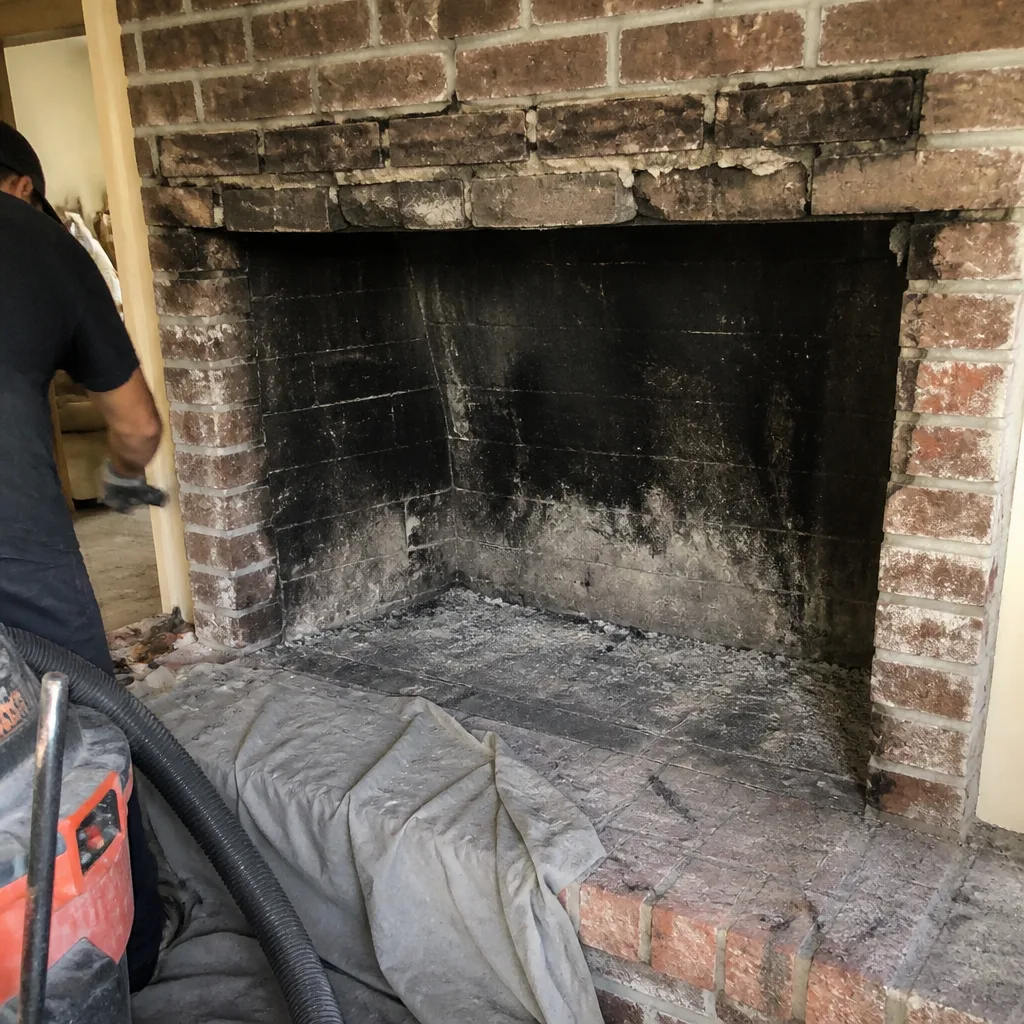 Before
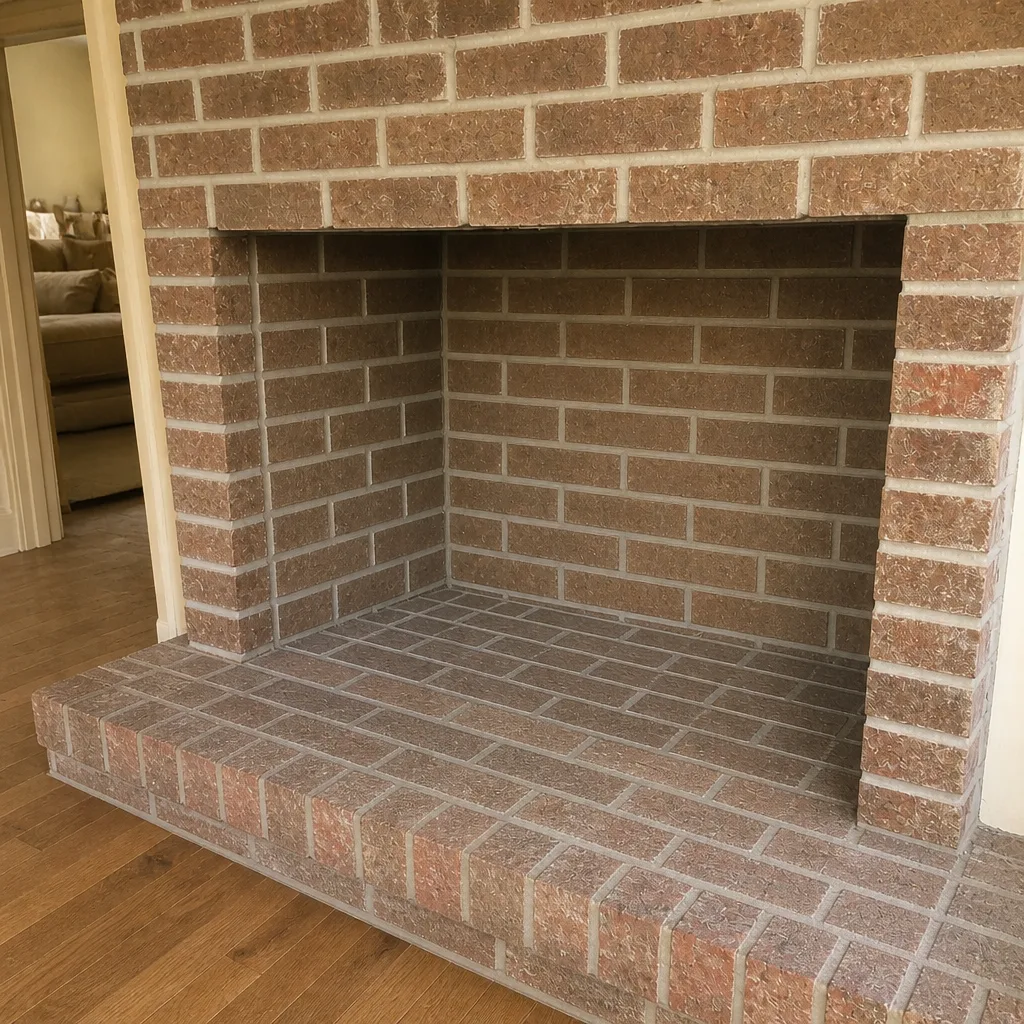 After
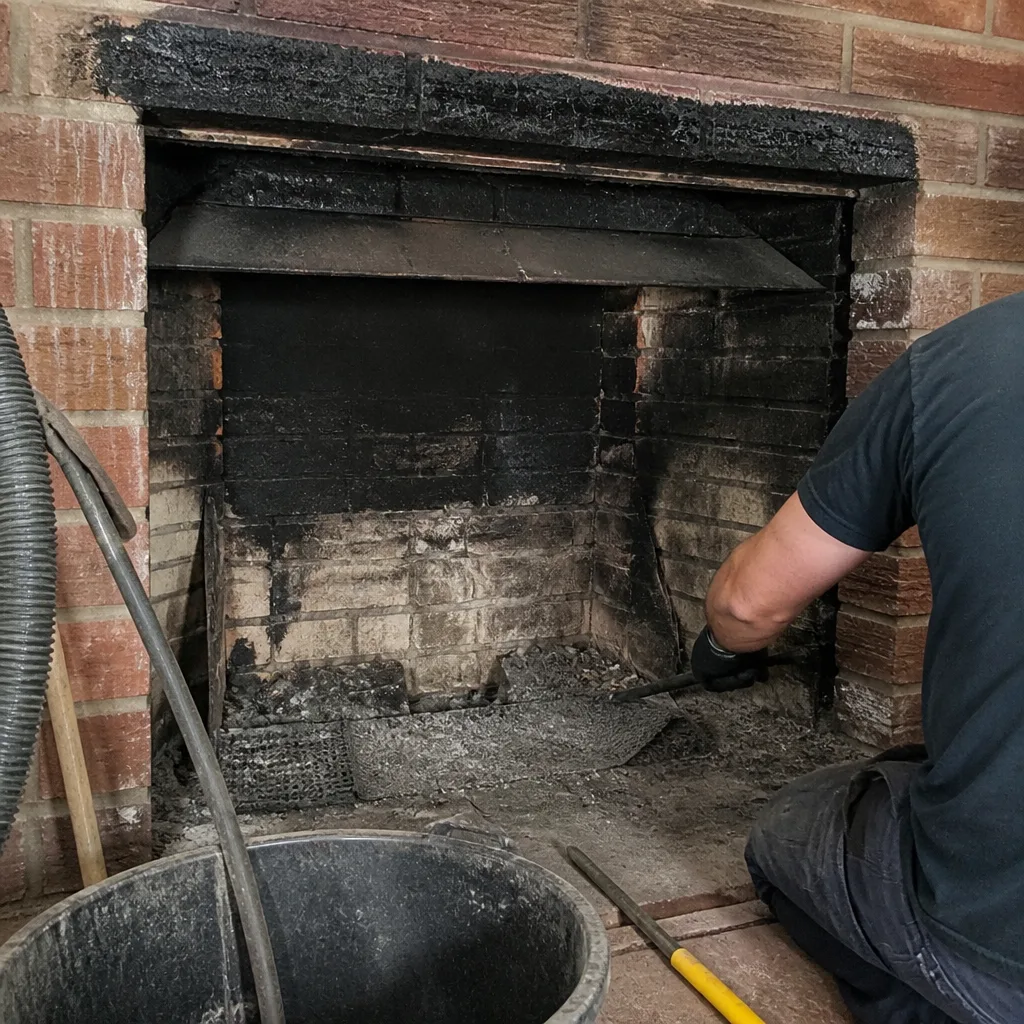 Before
 After
 Before
 After
When to Call a Professional
Call a professional when the inspection finding involves anything structural. That includes a liner the camera shows is cracked or separated, a firebox with visible gaps or eroded mortar, a chase cover that’s rusted through, a crown that’s no longer shedding water, or a chimney that’s been visibly modified by a previous owner. Also call when a repair estimate feels bigger than the defect described to you, and when a home sale inspection flags a chimney issue you can’t verify yourself. The picture from the firebox to the crown should be one continuous picture, and a specialist is the only one who can produce it.
Huntington Beach Chimney Sweep offers free estimates in Huntington Beach. Call (877) 792-6728. We answer 24/7. Fast dispatch from 7am to 7pm, Sunday through Friday. Our technicians have up to 9 years of experience, and our work is performed with materials from brands like DuraFlex and HeatShield, plus other professional lines we install every day. A written estimate sets the final price, and nothing is recommended without camera evidence you can see for yourself.
Frequently Asked Questions
No, a routine chimney cleaning does not require a permit in Huntington Beach. Sweeping removes creosote and soot and doesn’t alter the chimney structure. If the inspection that follows the sweep turns up a structural repair, the permit question belongs with the repair scope, not the cleaning. Call (877) 792-6728 for an exact quote on a sweep and inspection – estimates are free.
Full flue liner replacement, firebox reconstruction, chase cover replacement, chimney rebuilds, and any repair that changes how the chimney is built, framed, or attached to the structure typically require a permit. Minor crown patching and cap replacement without chase work are usually exempt. Confirm the scope with the City of Huntington Beach Building Division before work starts. Call (877) 792-6728 if you want us to walk through your scope first – estimates are free.
The buyer’s inspector usually flags it, and the resolution comes down to retroactive permitting, disclosure, or a negotiated credit. The real exposure is rarely the permit fee itself; it’s the cost of discovery, plan review, and the possibility that the existing repair needs to be redone. Talk to us before the sale listing if you suspect an issue. Call (877) 792-6728 – we can inspect and document before the buyer does.
A Level 2 inspection is standard practice in most real estate transactions and is what buyers typically request when the chimney is part of the purchase. It uses a video camera to see the inside of the flue and documents findings with photographs. Even where it isn’t formally required, the report is the document that resolves objections at the inspection contingency. Call (877) 792-6728 to schedule one before the buyer’s inspection – estimates are free.
Ask for the permit number and the final inspection record, and check the city’s permit portal to confirm the address and the name on the permit. The permit should be traceable to the company doing the work. Ask for the license number and verify it through the state’s public license search. If a contractor asks you to skip the city, that’s the signal to walk away. Call (877) 792-6728 if you want us to review your scope and permit status – estimates are free.
It needs the address and inspection date, the level of inspection performed, component-by-component findings, photographs of each component, video or still images of the flue interior, clearance observations, and recommendations ranked by severity. Anything less won’t satisfy a buyer’s inspector or a city inspector. Call (877) 792-6728 to schedule an inspection with a full written report – estimates are free.
The Bottom Line
Chimney cleaning is permit-free in Huntington Beach. The permits show up on the repairs: liner replacement, firebox reconstruction, chase covers, and rebuilds. Treat that as a planning fact rather than a threat. The cheapest protection at resale is a written scope and a permit pulled before the work starts, with the final inspection record filed and kept. If you’re buying or selling, get a Level 2 inspection and read the photo report before the buyer does. From the firebox to the crown, the paperwork should follow the work.
Call Huntington Beach Chimney Sweep at (877) 792-6728 for a free estimate on a Huntington Beach Chimney Sweep or a follow-on repair. We answer 24/7. Fast dispatch from 7am to 7pm, Sunday through Friday. If a sale is already in motion, we can inspect and document before the buyer’s inspector arrives, and if a fireplace repair is part of the scope, we handle that from the same visit. Nothing is recommended without camera evidence you can see for yourself, and the written estimate sets the final price.
Written by the team at Huntington Beach Chimney Sweep.