
Last updated November 24, 2026
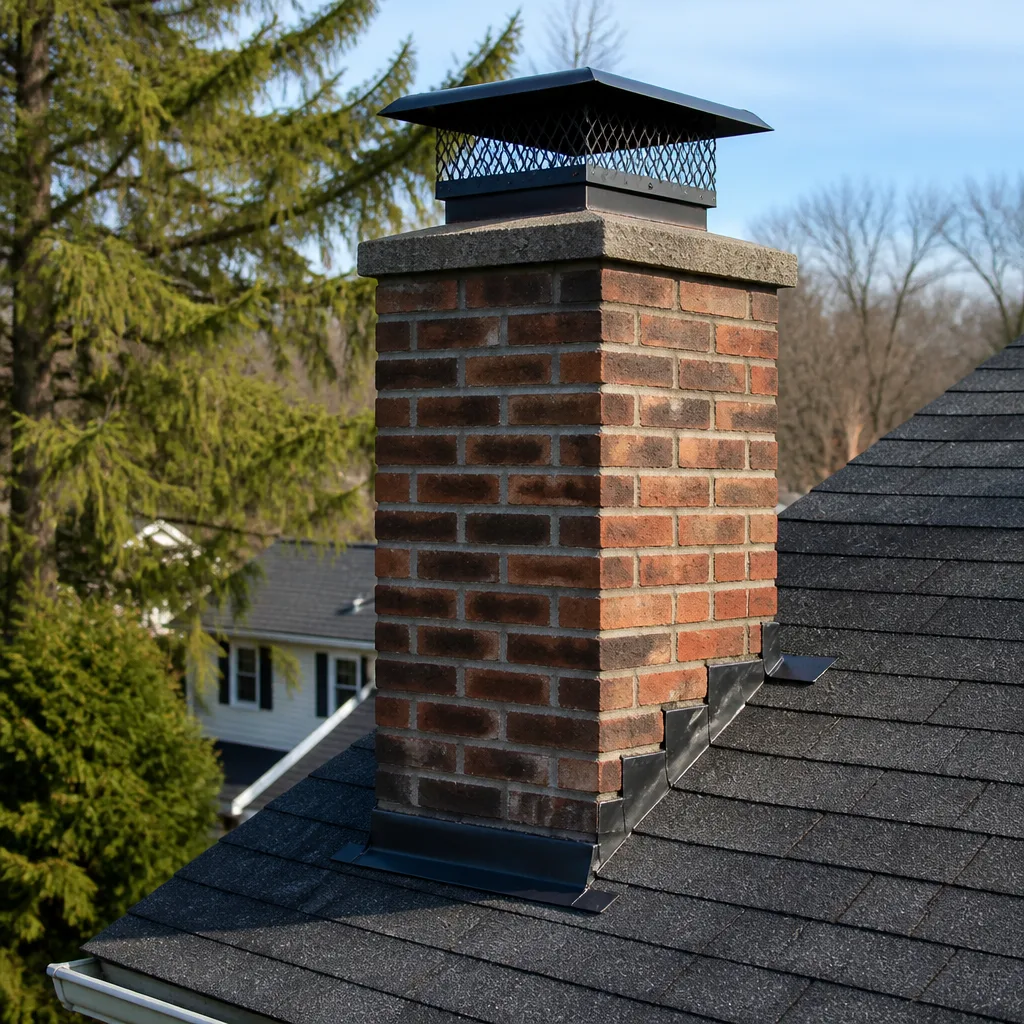 Sweep & inspection
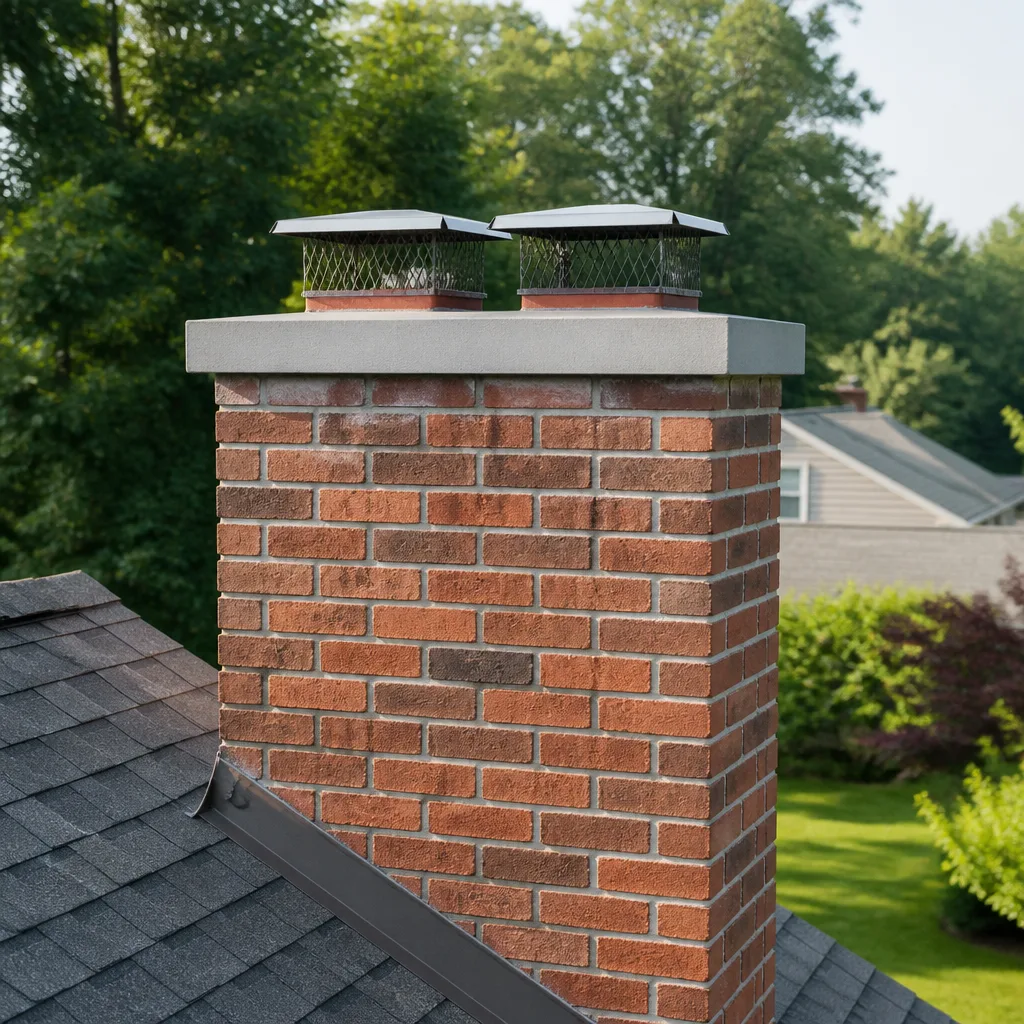 Caps & crowns
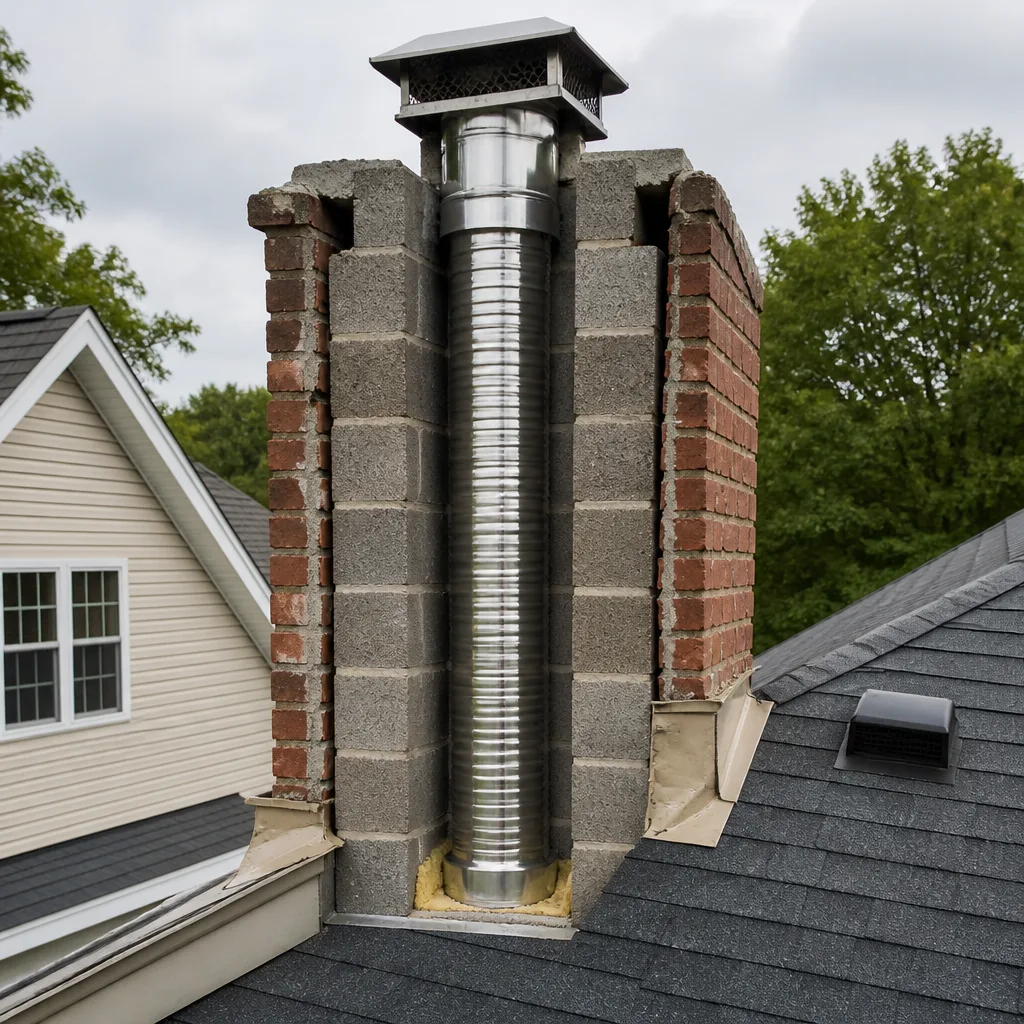 Flue relining
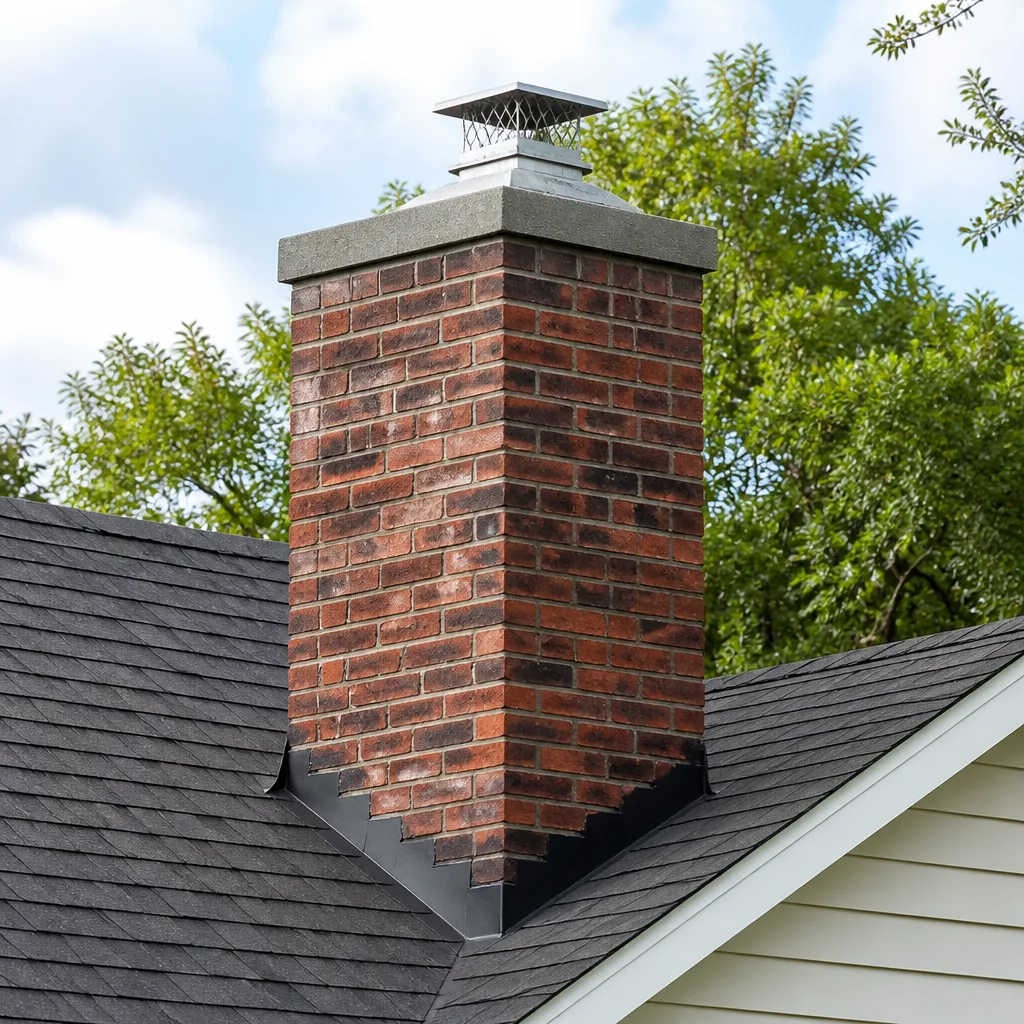 Masonry repair
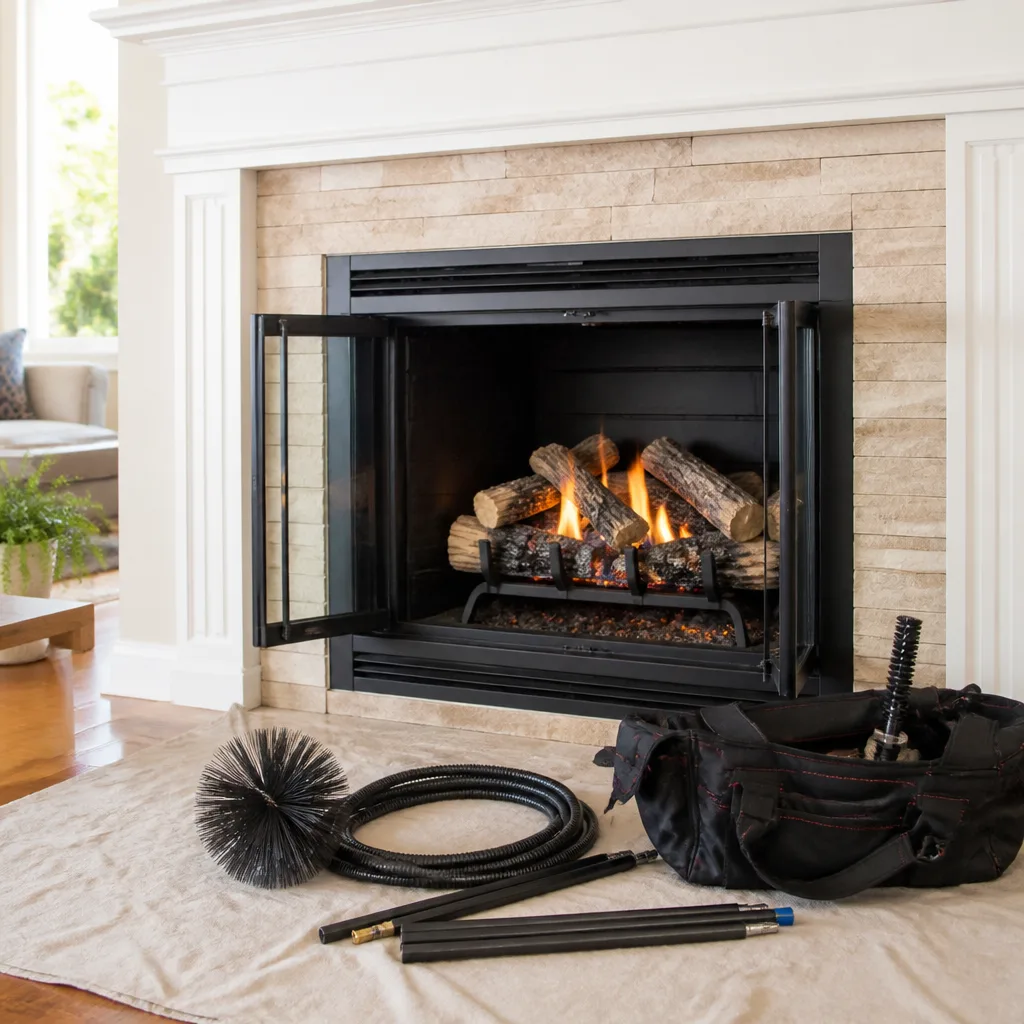 Gas fireplace service
Level 1 sweep and inspection to the NFPA 211 annual standard - flue, crown, cap, and flashing checked and photographed
Chimney sweep logs do not sweep chimneys. They loosen some creosote - which then falls where a brush and vacuum still have to collect it.
Chimney Sweep Maintenance Checklist for Huntington Beach Homeowners
If your chimney maintenance checklist still says “inspect before winter,” you’re using a schedule built for Ohio. Huntington Beach doesn’t have a hard winter that dictates when your chimney needs attention. What we have is warm, dry months where the fireplace sits idle, sudden Santa Ana wind events that hammer the exterior, and a marine environment that works on masonry year-round. That means the maintenance calendar here looks different from what most online guides describe. A chimney in Huntington Beach is less likely to fail from heavy snow loads and more likely to develop problems while nobody’s using it. This guide lays out a checklist organized around the triggers that actually apply here: pre-use checks after months of idleness, post-wind inspections, and the tasks that genuinely need doing once a year versus twice. You’ll learn what you can safely check yourself, what requires a trained eye and camera equipment, and how to keep a masonry chimney and a factory-built one on the right schedules.
Quick Answer
A Huntington Beach chimney should get a professional sweep and inspection once a year if you burn regularly, a full exterior check after any significant Santa Ana wind event, and a pre-use inspection before the first fire of the season after months of sitting idle. Homeowners can safely check the cap, look for crown cracks, and clear debris from the firebox, but anything involving the flue interior, the liner, or the flashing requires a trained sweep with camera equipment.
Call (877) 792-6728. We answer 24/7. Fast dispatch from 7am to 7pm, Sunday through Friday.
Styles & brands we work with
- Sweep & inspection
- Caps & crowns
- Flue relining
- Masonry repair
- Gas fireplace service
Table of Contents
- Why a Huntington Beach Chimney Checklist Is Different
- The Pre-Use Check: Waking Up an Idle Fireplace
- Post-Santa Ana Wind Inspection Points
- Annual vs. Biannual Tasks by Chimney Type
- What You Can Check Yourself vs. What Needs a Pro
- The Full Checklist by Task Frequency
- Hidden Problems That Only Show Up on Camera
- When a Checklist Turns Into a Repair
Why a Huntington Beach Chimney Checklist Is Different
Most chimney maintenance advice assumes a few things that don’t hold in Huntington Beach. It assumes a long, cold burning season that keeps the flue hot and dry for months at a stretch. It assumes freeze-thaw cycles that crack masonry over winter. And it assumes the biggest threat to the chimney is heavy snow load on the crown. None of those are the main drivers here.
What actually shapes chimney upkeep in Huntington Beach comes down to three things:
- Long idle periods. A fireplace that goes unused from spring through fall is a chimney that sits open, cool, and dry. That’s when animals move in, when moisture finds its way down an uncapped flue, and when the first fire of the season pushes a year’s worth of accumulated debris into the air you breathe indoors.
- Wind events, not snow events. Santa Ana winds aren’t gentle. They carry grit, roof debris, and palm fronds, and they put real lateral stress on caps, crowns, and flashing. A chimney that looks fine in still air can lose a cap or develop a hairline crown crack during a single strong wind event.
- A mild, humid-adjacent climate. Without hard freezes, masonry doesn’t heave and split the way it does in colder regions, but moisture is still the persistent enemy. Water gets into cracks, into the crown, behind flashing, and into masonry that never fully dries out between wet spells.
That reframes the whole checklist. Instead of “prep for winter,” the rhythm in Huntington Beach is: check before you burn, inspect after the wind blows, and stay on a yearly professional schedule regardless of how much you think you used the fireplace. When you do bring in a pro, the sweep should be thorough from the firebox to the crown, not just a brush down the flue. That whole-system view is what catches the problems before they become repairs. If you need a baseline, start with a chimney sweep and inspection and build the rest of the calendar around what it finds.
The Pre-Use Check: Waking Up an Idle Fireplace
The first fire of the season is the riskiest moment in a Huntington Beach chimney’s year. That’s because the chimney has had months to collect problems while nobody was watching it. This pre-use check should happen before you light anything, ideally in late fall when the evenings cool off and you’re ready to start burning again.
Here’s the order we walk homeowners through:
- Look at the firebox and damper. Check for debris, animal droppings, nesting material, or leaves that have come down the flue. Make sure the damper opens and closes fully.
- Check the cap and spark arrestor. From the ground, confirm the cap is still seated, not rusted through, and that the mesh isn’t clogged with debris or bird nesting.
- Scan the crown for cracks. A cracked crown lets water straight into the masonry below it. If you can see visible cracks from the ground, that’s a call.
- Look at the flashing where the chimney meets the roof. Displaced or lifted flashing is a water intrusion point and often shows up as staining or moisture on the ceiling near the chimney.
- Confirm the flue is clear. This is the one step most homeowners can’t do safely themselves. An obstructed flue, whether from a nest, a fallen cap, or heavy creosote, forces smoke and carbon monoxide back into the room.
- Book the professional sweep and inspection. Do this before the first burn, not after. A sweep clears the flue and an inspection with a camera confirms the liner is intact.
The single most common thing we find on a pre-use check after a long idle period isn’t dramatic. It’s an animal nest, a sunken cap, or a crown that’s been quietly cracking for a season. None of those announce themselves until you light a fire and the smoke doesn’t go where it should. Catching them before the first burn is the whole point of this checklist. For a full inspection that covers everything from the firebox up, the team handles that as part of a standard Huntington Beach Chimney Sweep visit.
Post-Santa Ana Wind Inspection Points
Santa Ana winds are the closest thing Huntington Beach has to a seasonal chimney stress test. They’re dry, they’re strong, and they come through with enough force to move things that were fine a week earlier. After a significant wind event, a homeowner should do a ground-level look at four specific points. These aren’t yearly tasks. They’re event-driven.
- Crown and mortar joints. Wind-driven grit and thermal movement can open hairline cracks in the crown and loosen mortar at the joints. Look for new cracks, missing mortar, or pieces of the crown that look displaced.
- Chimney cap. A cap that’s lost fasteners or shifted off-center after wind is a cap that no longer keeps rain and animals out. Confirm it’s level and seated.
- Flashing. Where the chimney passes through the roof, the metal flashing can lift or pull loose in wind. Any gap between flashing and masonry is a leak waiting for the first rain.
- Debris accumulation. Palm fronds, roof grit, and leaves collect on the roof and around the chimney base and can end up down the flue. Clear what you can safely reach from the ground; leave roof-level clearing to a professional.
There’s a second category of post-wind problem that doesn’t show up from the ground at all: creosote and soot inside the flue can be disturbed and redistributed, and a cap that took a hit may now be allowing debris into the flue itself. That’s why the post-wind check is a homeowner’s ground-level look plus, when anything looks off, a professional inspection. If the crown or cap took damage, the fix belongs with a specialist who handles chimney cap & crown work, because a loose cap or a cracked crown is a water intrusion problem first and everything else second.
Annual vs. Biannual Tasks by Chimney Type
Not every chimney needs the same schedule. The single biggest factor in how often you should do what is whether you have a masonry chimney or a factory-built one. They age differently and they fail differently, so the checklist diverges.
Masonry Chimneys
A masonry chimney is built from brick or stone with a clay tile or restored liner inside. It’s durable but porous, which means the annual rhythm here leans toward moisture inspection and exterior integrity.
- Annually: professional sweep and full inspection, including a camera look at the flue liner; crown and mortar joint inspection; flashing check; cap check.
- Biannually (twice a year): exterior visual check of the crown, cap, and joints, timed to the pre-use season and after the peak wind season. This is a ground-level look, not a sweep.
- As needed: crack sealing, crown repair, or tuckpointing when the annual inspection finds deterioration. Left alone, small masonry problems get bigger and costlier.
Factory-Built (Prefabricated) Chimneys
A factory-built chimney uses a metal flue system with a specific liner and clearances set by its manufacturer. It’s less prone to moisture damage in the masonry sense, but the liner and the joints are the weak points, and they degrade from heat and creosote.
- Annually: professional sweep and inspection, with attention to the liner joints and the cap.
- Annually or biannually depending on use: if you burn frequently, a second sweep mid-season keeps creosote from building to a level that matters.
- As needed: liner repair or relining if the inspection shows joint failure or a compromised flue. Flexible liner systems like DuraFlex are used where a rigid run won’t fit, and in some cases a liner restoration system like HeatShield can address a deteriorating liner without a full replacement.
If you’re not sure which type you have, that’s the first thing to resolve, because it changes the schedule. A professional inspection settles it quickly, and it’s worth knowing before you build a calendar around the wrong chimney. From the firebox to the crown, the system needs to be understood as a whole, not guessed at one component at a time.
What You Can Check Yourself vs. What Needs a Pro
A good checklist separates what a careful homeowner can safely do from what genuinely requires a trained professional with the right equipment. Getting that line wrong in either direction is a problem: skipping safe checks means problems go unnoticed, and overreaching means someone gets hurt or misses something only a camera would catch.
Safe for homeowners
- Ground-level visual check of the cap, crown, and flashing
- Clearing leaves and debris from around the chimney base and the firebox
- Confirming the damper opens and closes properly
- Checking for water staining on ceilings or near the chimney inside the house
- Listening for animals or noticing odd smells when the fireplace is idle
Requires a professional
- Anything inside the flue, including the sweep itself
- Camera inspection of the liner to confirm it’s intact and properly sized
- Creosote assessment, since creosote type and buildup depth can’t be judged by eye from the firebox
- Roof-level work: flashing repair, crown repair, cap replacement
- Any diagnosis of a liner problem or a decision about restoration versus replacement
The honest reason the second list belongs to a professional isn’t gatekeeping. It’s that the flue is a confined space, roof work is a fall hazard, and creosote is a fire risk. A sweep trained for the job has the camera equipment to actually see the liner and the experience to read what it shows. If a chimney sweep tells you something needs thousands of dollars of liner work, that finding should come with camera evidence you can see and a plain explanation of why it can’t wait. If it can wait, a straight answer says so. When the fireplace itself has issues beyond the flue, that’s a separate scope handled through fireplace repair.
The Full Checklist by Task Frequency
This is the working checklist, organized by how often each task comes up. The frequencies assume a Huntington Beach home that burns regularly during the cooler months. If you burn rarely, some tasks stretch out; if you burn often, the sweeps compress. Use this as your baseline and let the annual inspection adjust it.
Monthly (during burning season)
- Clear ash and debris from the firebox
- Confirm the damper operates freely
- Do a quick ground-level look at the cap and crown
- Check for smoke backing into the room when you light a fire
Seasonal (pre-use and post-wind)
- Full pre-use check before the first fire of the season
- Post-Santa Ana wind ground-level inspection of crown, cap, flashing, and debris
- Clear roof and chimney-base debris (ground-reachable only)
- Re-check flashing and crown after any wet weather that follows a wind event
Annual
- Professional chimney sweep
- Full inspection, including camera inspection of the liner
- Crown and mortar joint inspection
- Cap and flashing inspection
- Liner assessment and documentation of any deterioration
As needed (driven by findings)
- Crown repair or replacement
- Cap replacement or re-seating
- Flashing repair
- Liner restoration or relining
- Masonry repair or tuckpointing
The annual professional sweep and inspection is the anchor of the whole calendar. Everything else either supports it or flows from what it finds. If you want a single rule to remember: pre-use check before the first burn, wind check after the first big Santa Ana event, and a professional once a year. From there, the findings tell you what else the chimney needs. For a baseline professional sweep and inspection to start the calendar, book it and get the documentation in hand.
Hidden Problems That Only Show Up on Camera
Some of the most important items on a chimney checklist can’t be checked from the ground, and they can’t be checked by eye from the firebox either. They only show up on a camera inspection of the flue, which is why the annual professional visit exists. Here’s what that camera is looking for, so you know what the findings actually mean.
- Liner cracks and gaps. A clay tile liner can crack from heat cycling, and a factory-built liner can develop joint gaps. Either way, a compromised liner lets heat and combustion gases reach parts of the chimney structure that aren’t built to handle them.
- Creosote depth and type. Creosote builds in layers that look different depending on how the fireplace has been used, and the more glazed the buildup, the more of a fire risk it represents. A camera shows the depth; a visual check from the firebox does not.
- Obstructions. Nests, fallen cap pieces, and debris can sit partway down the flue, restricting flow without fully blocking it. That’s a carbon monoxide risk that shows up as smoke backing into the room rather than as an obvious blockage.
- Improper sizing or a prior repair. Sometimes what looks intact at a glance is a liner that was sized wrong or repaired in a way that doesn’t meet the manufacturer’s spec.
This is where a specialist with the right equipment earns the visit. The point of the camera isn’t to find problems to sell you on. It’s to show you what’s actually there, so a recommendation to restore a liner or replace it is backed by evidence you can see yourself. That evidence-first approach is why we treat the inspection as the start of the relationship, not a sales pitch. If a liner turns out to be deteriorating, a restoration system like HeatShield can sometimes address it without a full replacement, and that’s a conversation the camera findings should drive from the firebox to the crown, not from a guess.
When a Checklist Turns Into a Repair
A checklist’s job is to catch problems early, and some of what it catches will turn into actual repairs. The question is which findings can wait and which can’t. That judgment is what separates a good specialist from a pitch.
Findings that generally can’t wait:
- A cap that’s come loose or lost fasteners, since it’s now open to rain and animals
- Open cracks in the crown that are actively letting water into the masonry
- Displaced flashing that’s causing or will cause a leak
- A liner with confirmed cracks or gaps that put heat and gases into the structure
- Heavy creosote buildup that raises fire risk
Findings that often can wait, with monitoring:
- Hairline surface cracks in the crown that aren’t letting water through
- Minor mortar joint wear that’s progressing slowly
- A cap that’s intact but showing early surface wear
The right way to sort these is with the findings in front of you, explained plainly, with a written estimate that sets the final price. If a recommended repair is something you can see on camera and understand in plain terms, you can make a confident decision. If it’s a vague recommendation with no evidence, ask to see the footage. That’s a reasonable thing to request, and the answer tells you a lot. When the finding is exterior, cap and crown work sourced from professional manufacturers is the right scope for a full-service specialist. When it’s liner work, a restoration-before-replacement conversation is the sensible starting point.
Common Mistakes to Avoid
- Running a “before winter” schedule in a mild climate. A Huntington Beach chimney doesn’t fail from snow load, so waiting for a cold-weather trigger means you might go a whole year without a pre-use check. Build the calendar around idle-season risks instead.
- Skipping the pre-use check because the fireplace “looked fine last year.” A chimney that sat idle for months can collect a nest, a shifted cap, or a crown crack without any sign from inside the house. The check is about what changed while it was quiet.
- Ignoring the crown and cap. Most water intrusion on a Huntington Beach chimney starts at the exterior, not the firebox. A sweep-only visit that doesn’t look at the crown and cap misses the leading cause of costly masonry damage.
- Assuming a swept flue means a safe flue. A sweep clears the flue; an inspection with a camera confirms the liner is intact and properly sized. The two are different tasks, and the second is the one that catches hidden problems.
- Not inspecting after a Santa Ana wind event. Wind moves caps, opens crown cracks, and lifts flashing. A ground-level look after the first big wind of the season catches these while they’re still cheap to fix.
- Letting a ground-level look stand in for a professional inspection. What you can see from the ground is useful, but it says nothing about the liner, the creosote depth, or the flue sizing. Those require a trained sweep with equipment.
- Accepting a big repair quote without seeing the evidence. A recommendation to restore or replace a liner should come with camera footage you can review. If you can’t see why the work is needed, ask to.
See the difference
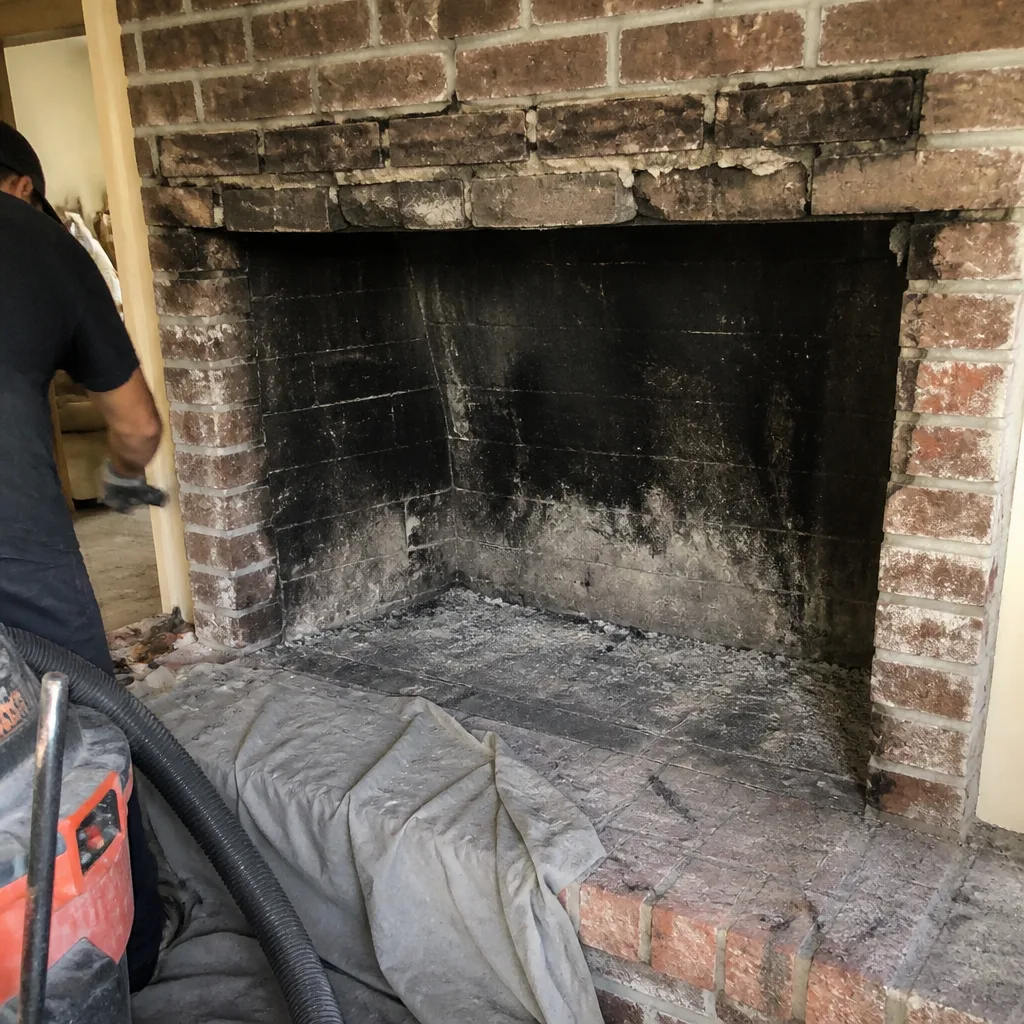 Before
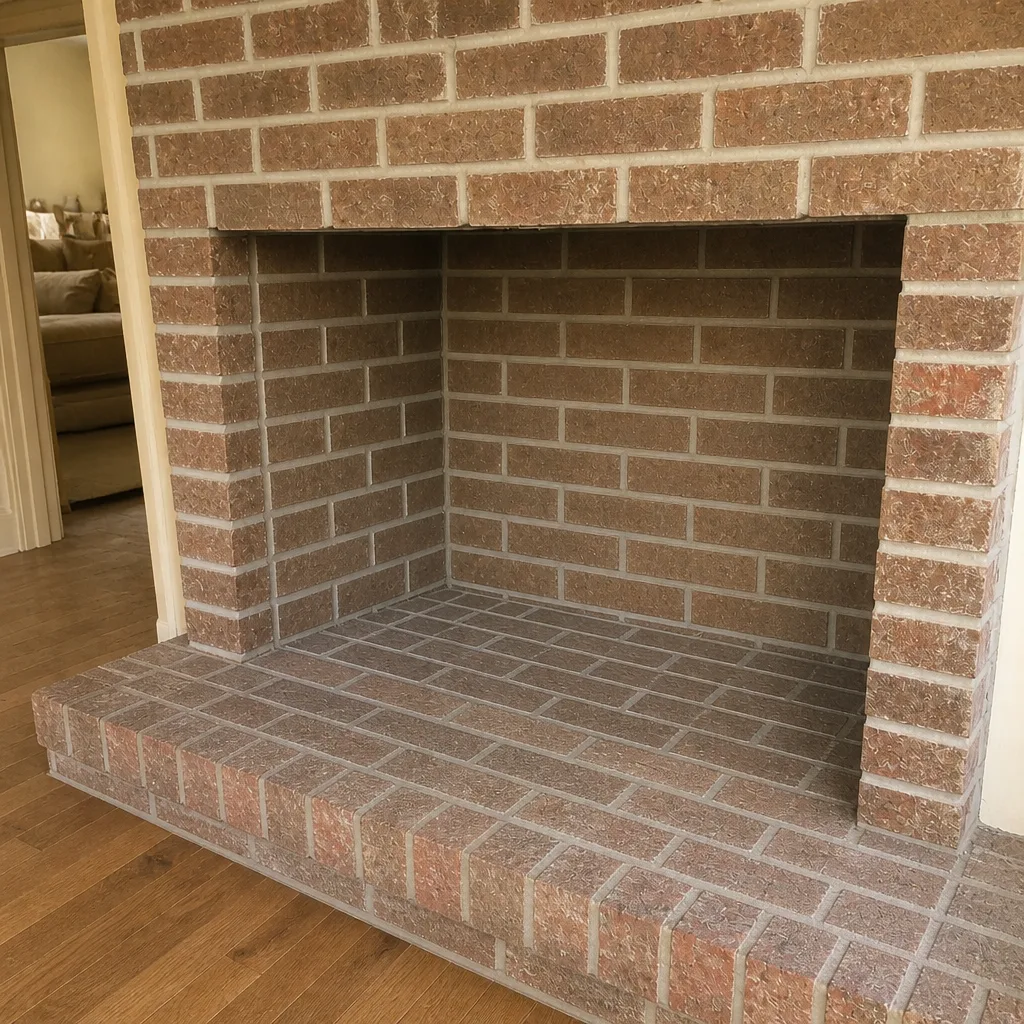 After
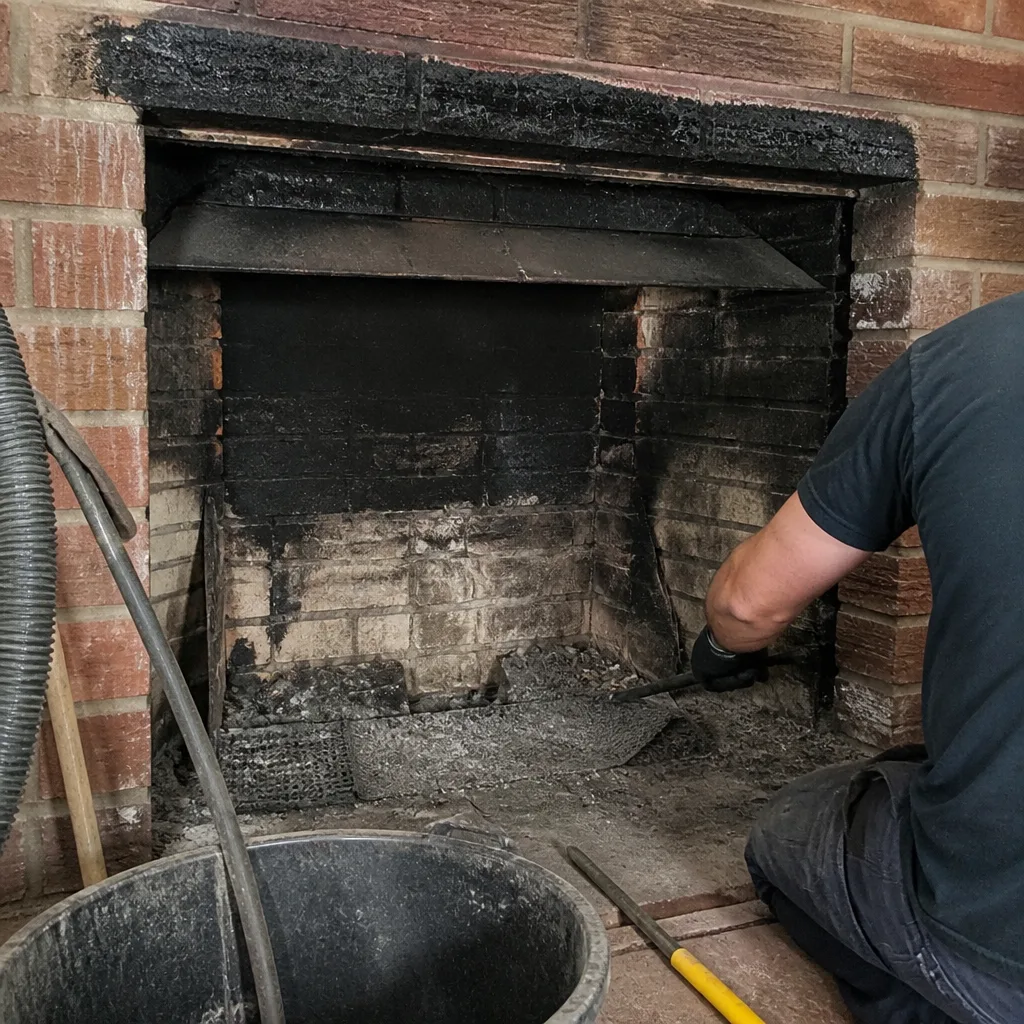 Before
 After
 Before
 After
When to Call a Professional
Some checklist items belong to you and some belong to a specialist. Call a professional when the annual sweep comes due, when the pre-use check turns up anything inside the flue, or when a post-wind look shows a shifted cap, a new crown crack, or lifted flashing. Call when smoke backs into the room, when you smell something unusual near an idle fireplace, or when you see water staining near the chimney inside the house. Call before you light the first fire of the season if the flue hasn’t been inspected in a year. And call when you want an honest read on a liner question, with camera evidence you can see, rather than a guess. Huntington Beach Chimney Sweep offers free estimates in Huntington Beach. Call (877) 792-6728. We answer 24/7. Fast dispatch from 7am to 7pm, Sunday through Friday.
Frequently Asked Questions
Once a year is the standard for a fireplace you use regularly, regardless of the mild climate, because the annual sweep and inspection is what catches liner, cap, and crown problems before they become repairs. If you burn frequently through the cooler months, a second sweep mid-season keeps creosote from building to a level that raises fire risk. If you burn rarely, the yearly inspection still matters, since a Huntington Beach chimney can develop problems while completely idle. Call (877) 792-6728 for an exact quote on a sweep and inspection.
A pre-use check should cover the firebox and damper, the cap and spark arrestor, the crown for visible cracks, the flashing where the chimney meets the roof, and confirmation that the flue is clear. The first four are things a careful homeowner can look at from the ground or the firebox. Confirming the flue is clear is the one that needs a professional with camera equipment. Do this check in late fall, before you light anything. Call (877) 792-6728 to book it before the season starts.
After a significant Santa Ana wind event, check four points from the ground: the crown and mortar joints for new cracks or missing mortar, the cap for being shifted or loosened, the flashing at the roof line for lifting or gaps, and debris accumulation around the base and on the roof. Wind also pushes grit and debris into the flue, so if anything looks off, a professional inspection follows. Ground-level clearing of what you can safely reach is fine; roof-level work should go to a specialist. Call (877) 792-6728 for a post-wind inspection.
Yes, they differ. A masonry chimney needs an annual sweep and inspection plus a biannual exterior look at the crown, cap, and mortar joints, since it’s porous and vulnerable to moisture. A factory-built chimney also needs an annual sweep and inspection, with more attention on the liner joints and the cap, and a second sweep mid-season if you burn often. The liner is the weak point on a factory-built system, so the camera inspection matters most there. Call (877) 792-6728 to have the right schedule set for your chimney type.
You can safely do the ground-level exterior checks, clear debris around the base and firebox, confirm the damper operates, and look for water staining indoors. Anything inside the flue, on the roof, or involving the liner requires a professional, because the flue is a confined space, roof work is a fall hazard, and creosote is a fire risk. A camera inspection in particular needs the right equipment and someone who knows how to read what it shows. Call (877) 792-6728 when you’re ready for the professional portion.
Skipping the annual sweep lets creosote accumulate, which raises the risk of a chimney fire, and it lets a liner crack, a shifted cap, or a crown crack go unnoticed until it causes water damage or a safety problem. It also removes the documentation that tells you whether a liner is heading toward a repair. In Huntington Beach, a skipped year can also mean an animal nest sitting in the flue all season, which shows up as smoke backing into the room on the first fire. Call (877) 792-6728 to get the annual sweep back on track.
The Bottom Line
A Huntington Beach chimney runs on a different clock than the standard “prep before winter” checklist. The tasks that matter here are the pre-use check before the first fire of the season, the post-wind look after Santa Ana events, and the once-a-year professional sweep and inspection that catches what nobody can see from the ground. Homeowners can handle the ground-level checks, the debris clearing, and the damper; the flue, the liner, the crown, and the roof belong to a specialist with camera equipment and the materials to fix what it finds. From the firebox to the crown, the goal is one provider who diagnoses and repairs, so the findings and the fix stay in the same hands. If you’re ready to put this checklist to work on your Huntington Beach chimney, call (877) 792-6728. We answer 24/7. Fast dispatch from 7am to 7pm, Sunday through Friday. Estimates are free, and the written estimate sets the final price.
Written by the team at Huntington Beach Chimney Sweep.