
Last updated November 24, 2026
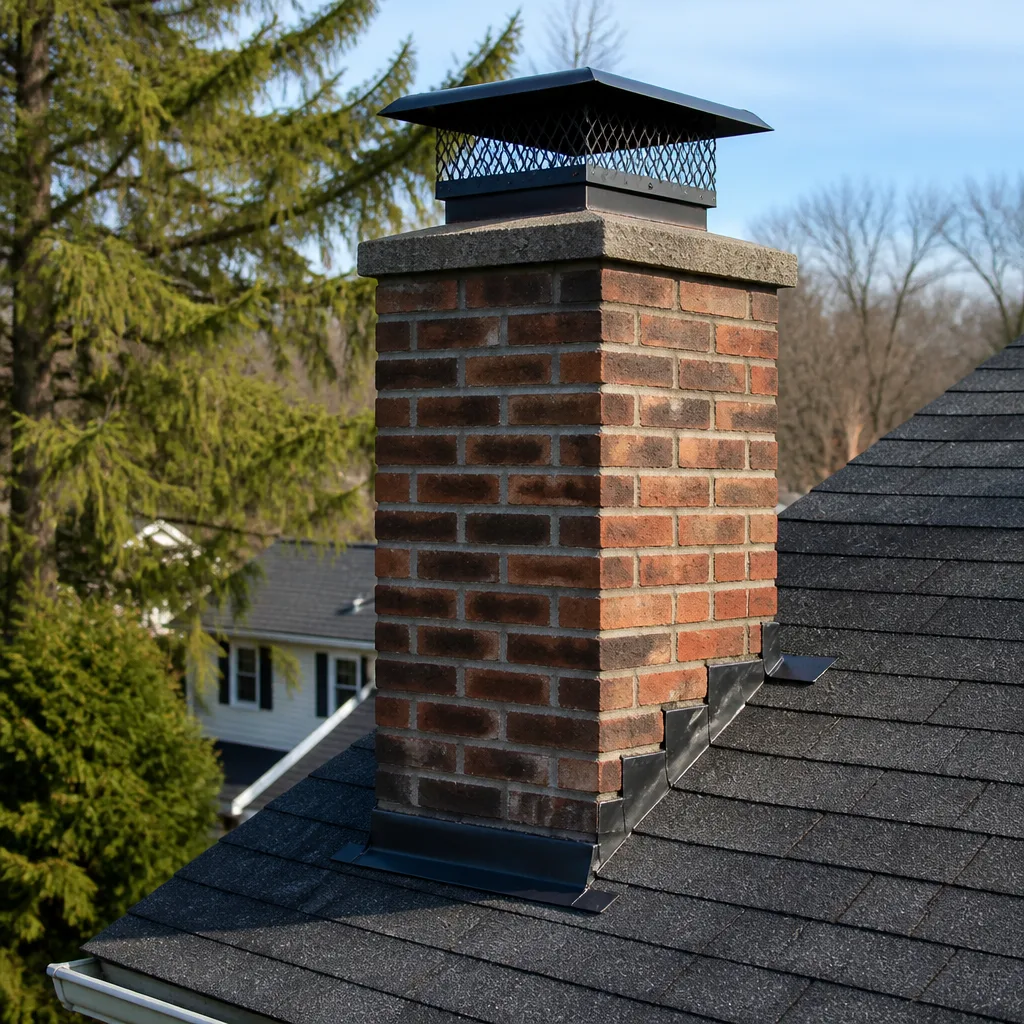 Sweep & inspection
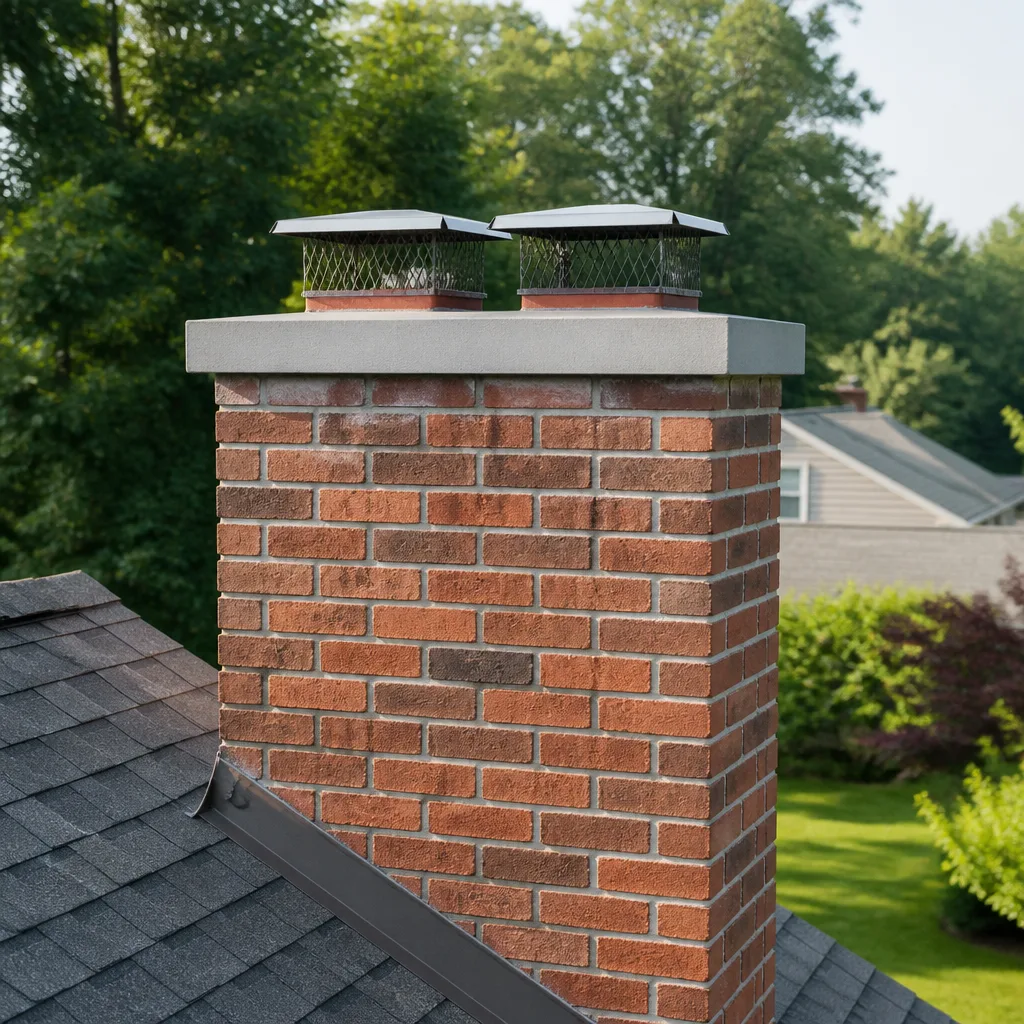 Caps & crowns
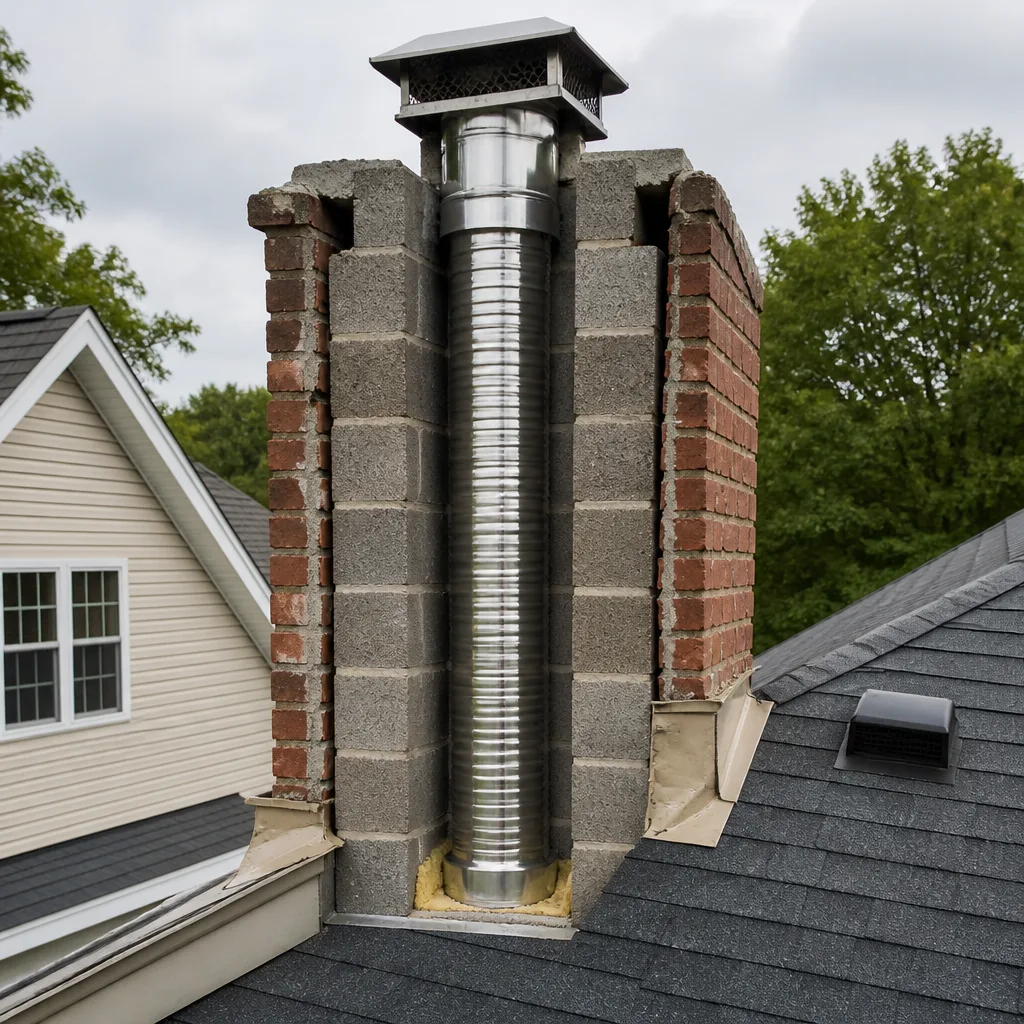 Flue relining
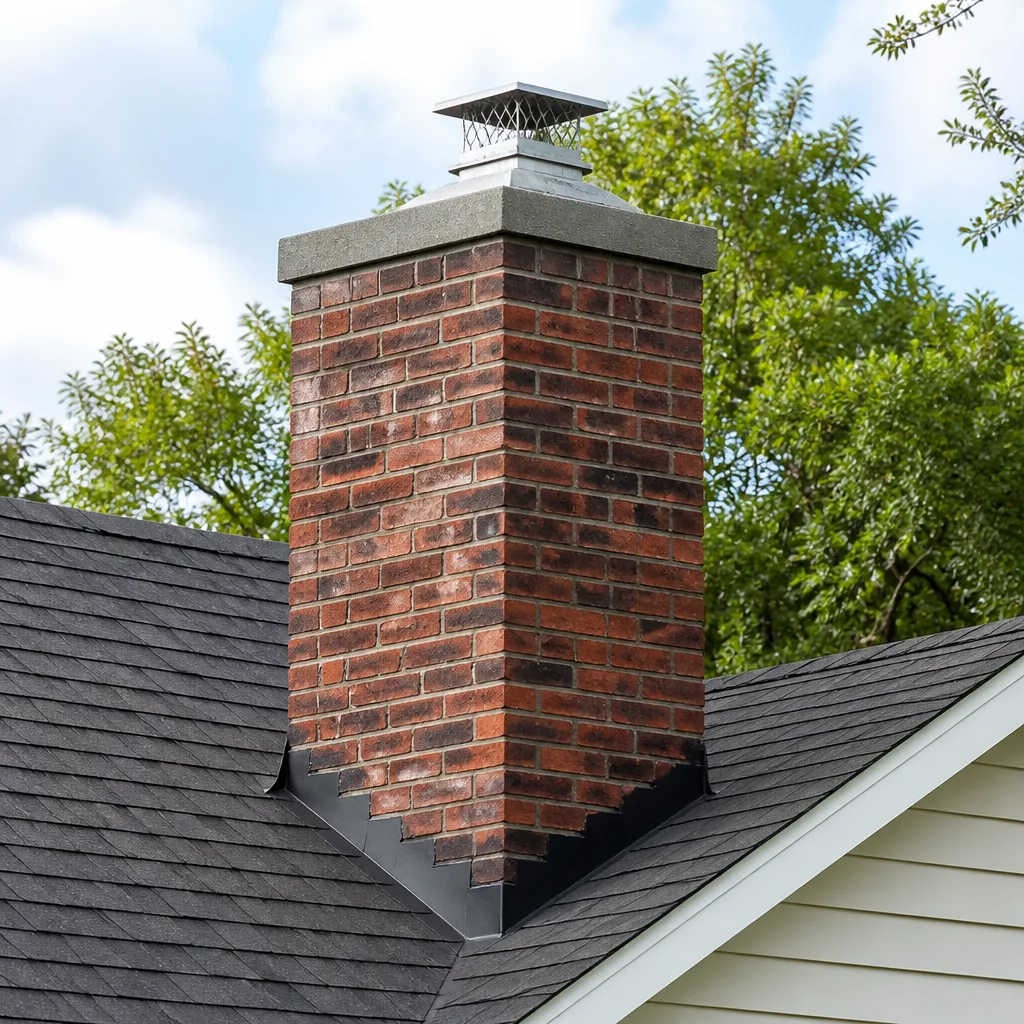 Masonry repair
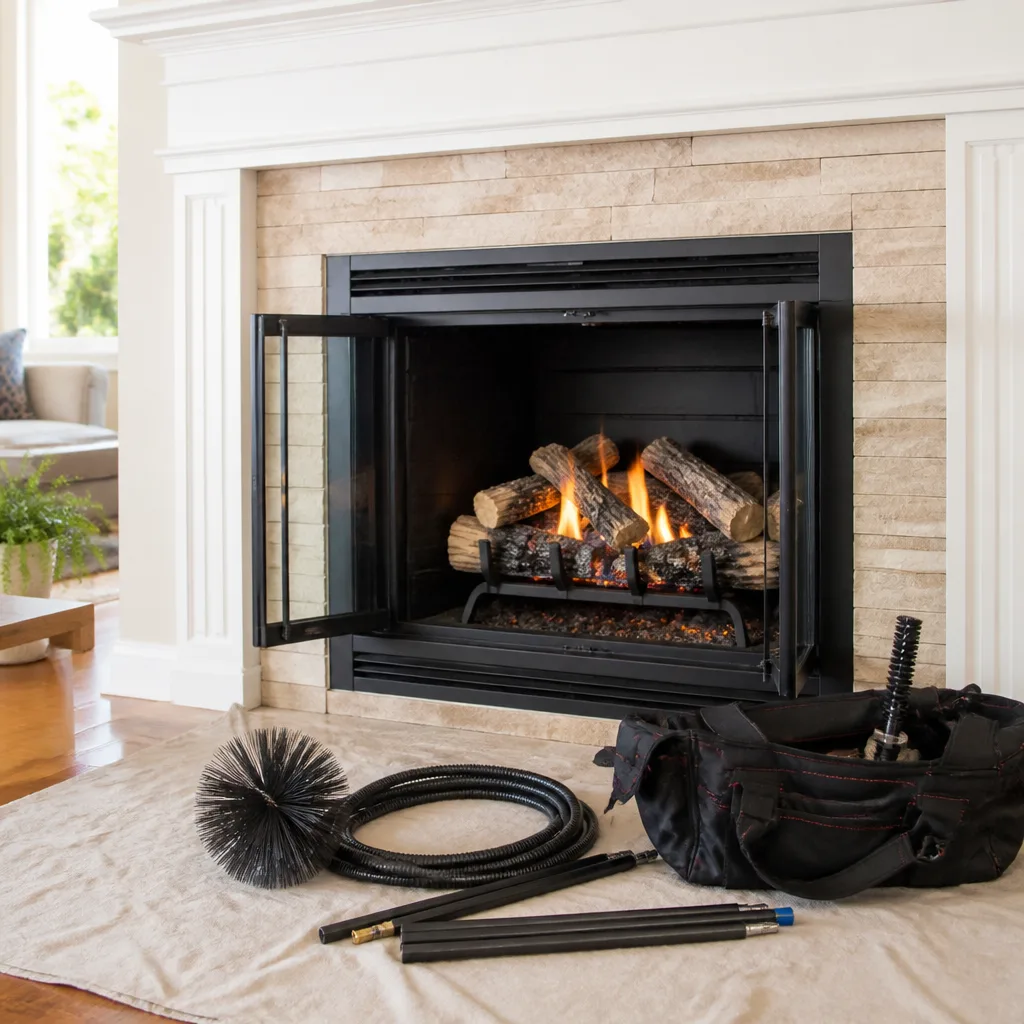 Gas fireplace service
Level 1 sweep and inspection to the NFPA 211 annual standard - flue, crown, cap, and flashing checked and photographed
Chimney sweep logs do not sweep chimneys. They loosen some creosote - which then falls where a brush and vacuum still have to collect it.
The Complete Guide to Chimney Cleaning in Huntington Beach
Most chimney cleaning guides are written for cold-climate wood-burners who light a fire 80 or more nights a year and think nothing of a chimney full of soot by spring. Huntington Beach homeowners use their fireplaces far less. Many of us light the first fire of the season in November and maybe a dozen more through the mild winter. It’s tempting to assume a lightly used chimney stays clean. It doesn’t. In Huntington Beach, the air itself does a lot of work on your chimney whether there’s a fire in it or not. The marine layer rolls in, moisture settles on masonry, and debris finds its way inside long after the last ember goes out. This guide covers what cleaning actually involves here, why a low-use fireplace still needs attention, and how to know what your chimney is telling you.
Quick Answer
A chimney in Huntington Beach should be swept and inspected once a year, even if you burn only a few fires a season. Humidity, salt-laden air, and animals and debris entering an unused flue all age a chimney faster than most homeowners expect. Cleaning means brushing the flue and firebox, checking the cap and crown, and inspecting the liner from top to bottom, not just removing what you can see.
Styles & brands we work with
- Sweep & inspection
- Caps & crowns
- Flue relining
- Masonry repair
- Gas fireplace service
Table of Contents
- Why Huntington Beach Chimneys Age Differently
- Level 1, Level 2, and Level 3 Inspections Explained
- Why a Low-Use Fireplace Still Accumulates Debris
- Prefab vs. Masonry Chimneys in Huntington Beach Tract Homes
- What a Complete Cleaning Includes
- How Often Should You Clean a Chimney in Huntington Beach?
- What Chimney Cleaning Costs in Huntington Beach
- Can You Clean a Chimney Yourself?
Why Huntington Beach Chimneys Age Differently
A chimney in an inland or cold-climate town takes its biggest hits from freezing and thawing. Here, the pressure comes from moisture that never fully leaves. The marine layer hangs over Huntington Beach most mornings, lifting by midday and returning at night. That cycle means masonry and metal are exposed to damp air hour after hour, day after day, even in months when the fireplace sits cold. The effects show up in a few specific ways.
Creosote behaves differently in a damp environment. When wood burns and the smoke cools as it travels up the flue, tar and unburned particles condense on the walls. In a humid climate, the moisture in the flue mixes with those deposits and lets them adhere faster and harder. A glaze-like layer can form on the flue wall from even a modest number of fires, and glazed creosote is far more difficult to brush away than the dry, fluffy kind. It’s also the most combustible form of the residue, and it’s the main fuel in a chimney fire.
Airborne salt is the second factor. The ocean air carries salt particles that settle on metal components over time. A steel cap, damper assembly, or metal flue liner can begin to oxidize in ways that don’t show up as quickly inland. This oxidation usually starts on the exterior surfaces and the joints where moisture sits, and it’s one of the reasons we check the cap on every visit, not just the flue.
The third is simple moisture management. A chimney in Huntington Beach needs its cap and crown to actually work, because they’re the first defense against the constant damp. A cracked crown or loose cap lets rain and morning fog straight into the flue, and the moisture accelerates every other problem covered in this guide. If you’re not sure what condition your cap and crown are in, that’s a good reason to have them looked at during a routine appointment with a local Huntington Beach Chimney Sweep.
Level 1, Level 2, and Level 3 Inspections Explained
Chimney inspections come in three recognized levels, and the level you need depends on what’s happening with your chimney, not on how much time has passed. Most Huntington Beach homes fall into Level 1 or Level 2 on a regular schedule. Knowing the difference helps you understand what a chimney professional is actually doing when they’re on the roof and in the firebox.
Level 1 Inspection
A Level 1 is the standard read on a chimney that’s in known, continued use. The technician looks at the readily accessible portions of the system: the firebox, damper, flue from the top down to whatever point can be seen without tools, the cap, and the visible exterior of the chimney. This is what accompanies a routine annual cleaning. If nothing on the inspection turns up an issue, a Level 1 is all you need.
Level 2 Inspection
A Level 2 goes further and is required when there’s a change in the system or a reason to look harder. That includes:
- A property sale or change of occupancy
- An appliance change or a switch to a different fuel type
- An event like a chimney fire, a seismic event, or a storm that may have affected the structure
- Any concern about a liner, a hidden flue, or a type of chimney the technician couldn’t fully see on a Level 1
The Level 2 usually includes a video scan of the flue interior via camera, which lets the technician see the liner condition, joints, and any cracks that can’t be spotted from the roof. This is the level most often needed when a Huntington Beach homeowner has just bought a house and wants to know what they inherited. A Level 2 is also what gets you a documented picture of the liner before any repair is recommended.
Level 3 Inspection
A Level 3 is a diagnostic inspection that goes beyond the accessible portions. It’s used when a Level 1 or Level 2 finds a problem that requires opening up the structure to diagnose and solve. Level 3 work might involve removing part of a wall or the chimney chase to examine a hidden liner or a compromised flue. It’s uncommon, and it’s only warranted when there’s a real reason to suspect a concealed problem.
Which Level Applies to a Typical Huntington Beach Home
For a homeowner who has been in the house for years and has had routine cleaning on schedule, a Level 1 is normal. For a recent purchase, a chimney that hasn’t been looked at in a while, or any concern about the liner, the Level 2 with a video scan gives you the full picture. An inspection is the starting point, and it’s also the part that turns a cleaning visit into a real assessment of the whole system. The best way to understand what your chimney needs is to have it inspected by someone who can see what they’re looking at, which is why we treat every cleaning as an inspection first.
Why a Low-Use Fireplace Still Accumulates Debris
Here’s the part that surprises people most: a fireplace that hasn’t been lit in a year can still need cleaning. Creosote is one source of buildup, but in Huntington Beach it’s often not the main one. An idle flue is an open, dry, sheltered space attached to the outside of a house, and a whole range of things find their way inside.
Birds are the most common. Chimney swifts and other birds will build nests on top of a damper or anywhere they can find a ledge. Squirrels and raccoons find their way into uncapped or damaged flues. When that nesting material stays in the flue, it blocks airflow, holds moisture against the liner, and creates a fire hazard in the one season you’d least expect it. A flue blocked by debris can also push smoke back into the living room when you finally do light a fire.
Moisture moves in on its own. The morning marine layer in Huntington Beach sends damp air down an uncapped flue, and condensation collects on the flue walls and the top of the smoke shelf. Over time this moisture combines with soot left from old fires to form a sticky, acidic film that eats into clay flue tiles and metal liners. A liner that would last for many years if kept dry can deteriorate noticeably faster when it’s held damp.
Salt-air oxidation is the third factor. Metal components, particularly liner sections and the damper, develop surface corrosion when they’re exposed to ocean-influenced air over the long run. And there’s one more source people rarely think about: the fireplace itself. Ash left in the firebox draws moisture and can corrode the firebox floor, and the smoke chamber above the damper collects soot that settles and hardens without any fire to keep it warm and dry.
That’s why we don’t treat low use as a reason to skip a cleaning. A Huntington Beach fireplace in a home that burns a handful of fires a year still needs a sweep and inspection on a regular schedule, because the buildup here doesn’t come entirely from the fire. If you’re noticing a smoky smell on humid days or a draft that didn’t used to be there, that’s a sign worth taking seriously.
Prefab vs. Masonry Chimneys in Huntington Beach Tract Homes
Huntington Beach has a lot of homes built in waves from the mid-century years through the 1980s, and the tract homes from those decades tend to have one of two chimney types. Knowing which one you have tells you what cleaning and inspection will actually look like.
Prefab Zero-Clearance Chimneys
A prefab, or factory-built zero-clearance chimney, is a metal system with a listed flue and designed clearances to combustibles. It’s very common in homes built from the 1960s onward, and it comes with its own rules. Manufacturers specify the flue type and the parts that can be used, and mixing components across systems isn’t safe or code-compliant. Cleaning a prefab chimney means using brushes and tools sized to the specific flue, and inspecting the joints and the cap assembly that this type often relies on. Because the metal flue takes the full brunt of the damp air, liner condition is the main thing to watch on these systems.
Masonry Chimneys
A masonry chimney is built from brick and mortar with a clay tile liner. These are more common in older homes in the area, and they present different concerns. The mortar joints in the liner are the vulnerable spot; they crack with age and moisture, and a cracked joint allows heat and gases to reach the surrounding structure. A masonry chimney also relies on a solid crown and cap to keep water out, and the exterior brick takes on moisture over time. Cleaning a masonry flue means matching the brush to the flue tile and then inspecting the tiles closely for cracks, spalling, and gaps at the joints.
Why the Difference Matters
The chimney type determines which materials will be used if a repair is needed. On a prefab system, that means parts compatible with the manufacturer’s listing. On a masonry system with a deteriorating liner, a flexible liner system like DuraFlex can often be installed where a rigid run won’t fit, or a restoration product can sometimes repair the liner without full replacement. If you’re not sure what kind of chimney you have, an inspection answers that question in a few minutes, and it’s the first step in deciding anything else. Homeowners who want to know about the repair side of this can look at our fireplace repair page after the inspection numbers are in.
What a Complete Cleaning Includes
A cleaning that only brushes the flue and stops there leaves part of the system untouched
. A complete cleaning addresses every accessible part of the chimney, from the firebox up to the crown. Here’s what the full scope actually covers.
- The flue. The flue is brushed from the top or bottom with a brush sized to the liner. This removes soot and creosote from the flue walls and makes it possible to see the liner’s surface condition.
- The firebox. Ash is removed, and the firebox walls, floor, and back are checked for cracks and wear. On masonry systems, a firebox crack is a real concern, not a cosmetic one.
- The damper. The damper is checked for smooth motion and a clean seat. A damper that won’t seal lets heated air escape up the chimney when the fireplace isn’t in use.
- The smoke chamber. The smoke chamber is the space above the damper and below the flue. It’s sloped and easily missed, and it collects soot that hardens into a layer most homeowners never see. A complete cleaning goes up into it.
- The smoke shelf. Soot and debris settle on the smoke shelf, and a full cleaning clears it so smoke moves up the flue the way it should.
- The cap and crown. The cap and crown are checked for cracks, missing screens, and rust, since these are the front door for water and animals. Cap and crown work is a separate step from sweeping, and it’s often what a sweep-only visit misses. We handle that under our chimney cap & crown service.
- The liner. The liner is inspected from top to bottom, and the technician notes any cracks, gaps, or deterioration. On a Level 2 inspection, a video scan gives you a picture of the liner condition you can look at yourself.
- The exterior. The visible portion of the chimney chase is checked for cracks in the brick, mortar, or siding that could let water inside.
That’s the difference between a brushing and a real cleaning. A technician who only runs a brush through the flue and leaves is doing about half the job. If you’re thinking about a first appointment, our chimney sweep page lays out what to expect on the visit.
How Often Should You Clean a Chimney in Huntington Beach?
Once a year is the general standard, and it fits most Huntington Beach homes. The reason isn’t soot alone. The annual visit catches the things that build up in a low-use chimney, including debris, moisture damage, and cap and liner problems, before they turn into repair bills. For most homes, an annual cleaning and inspection is the right rhythm.
Some situations call for a closer schedule:
- Heavy use. If you burn wood for the better part of the winter, the flue builds up soot faster and may need attention more than once a year.
- After an animal gets in. If you’ve had a bird or a squirrel drop into the flue, get the chimney cleaned before you use it again.
- After a chimney fire. Even a small fire can crack tiles or warp metal, so a professional inspection is needed before the next burn.
- After severe weather or a seismic event. A structural inspection of the chase and crown is worth it if something large has happened.
- A home you’ve just bought. A Level 2 inspection with a video scan gives you a clear picture before you start using the fireplace.
One habit that helps in between cleanings: keep the damper closed when the fireplace is cold. It’s the simplest way to keep the marine moisture and anything flying around outside from getting into the flue. And when ash builds up in the firebox, remove it sooner rather than later, since it holds moisture against the metal or brick.
What Chimney Cleaning Costs in Huntington Beach
The cost of a cleaning depends on the chimney type, the level of inspection needed, and whether the firebox or smoke chamber needs more than a normal clearing. A straightforward sweep with a Level 1 inspection is the lower end of the range. A Level 2 with a video scan, or a chimney that turns out to have a lot of debris and a neglected firebox, sits higher. When a repair is needed, the written estimate spells out the cost of each item, so you never pay for something that isn’t listed.
The best way to get a firm number is an estimate in person, and it’s free. Call (877) 792-6728. We answer 24/7. Fast dispatch from 7am to 7pm, Sunday through Friday. The estimate sets the price, so you know exactly what’s being done and what it costs before any work starts.
What matters more than the quote is what it covers. An estimate that only names a sweep price, without saying whether an inspection is included or what’s being checked, isn’t giving you the full picture. A cleaning is the visit; the inspection is the part that tells you what your chimney actually needs.
Can You Clean a Chimney Yourself?
Cleaning a chimney is the kind of job that looks manageable from a video and turns dangerous on the roof. The roof of a Huntington Beach home is often steep or tall, and working at the top of a chimney with a brush and a rod is how people get hurt. There’s also the inspection: a homeowner can brush the flue, but seeing whether the liner has a crack, whether the smoke chamber has a hardened layer, or whether the crown is failing takes training and, in many cases, a camera. Doing the cleaning and leaving the inspection undone gives you a false sense of security. For most homeowners, this is a job for a professional, and the value comes from the inspection as much as the sweep.
The components that carry real risk are the ones we treat carefully. Creosote inside the flue can ignite and is the fuel in a chimney fire, which can crack a flue tile or warp a metal liner before anyone notices. And a chimney that also serves a gas appliance needs to be handled by someone who understands the venting, because the exhaust can contain carbon monoxide that you can’t see or smell. A technician who knows how to check the liner, the joints, and the appliance connection is the safer route. We recommend a professional for anything beyond a spot check with your eyes from the firebox.
Common Mistakes to Avoid
- Skipping the cleaning because you only burn a few fires. In a Huntington Beach home, most of the debris arrives when the fireplace is cold. The annual sweep is what clears it.
- Treating the sweep as a flue-only job. A cleaning that doesn’t touch the smoke chamber, firebox, cap, and liner leaves half the system unchecked.
- Letting an uncapped flue stay open. An open flue invites birds, squirrels, rain, and the morning damp straight into the liner. A cap is cheap insurance on the whole system.
- Ignoring a cracked crown. A crown crack looks like a small line on the roof, but it routes water into the chimney structure. That water is what drives liner and masonry damage.
- Using the wrong brush or mixing system parts. A brush that’s too large can crack flue tiles, and adding parts that don’t match the system isn’t safe or compliant.
- Lighting a fire after an animal got in. Nesting material in the flue blocks airflow and burns. Have the chimney cleaned first.
- Trusting a repair estimate with no evidence behind it. If someone tells you that you need a new liner or masonry work, ask to see the video inspection that shows why.
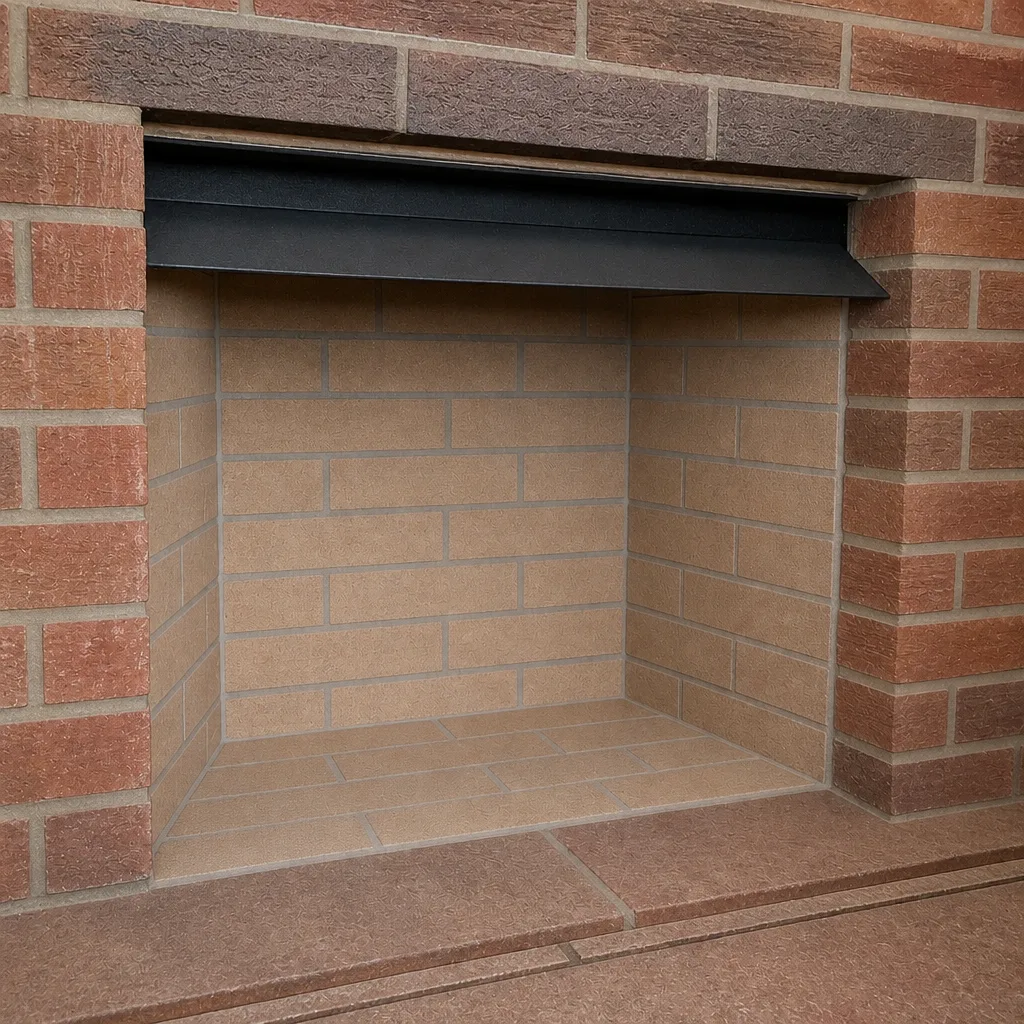
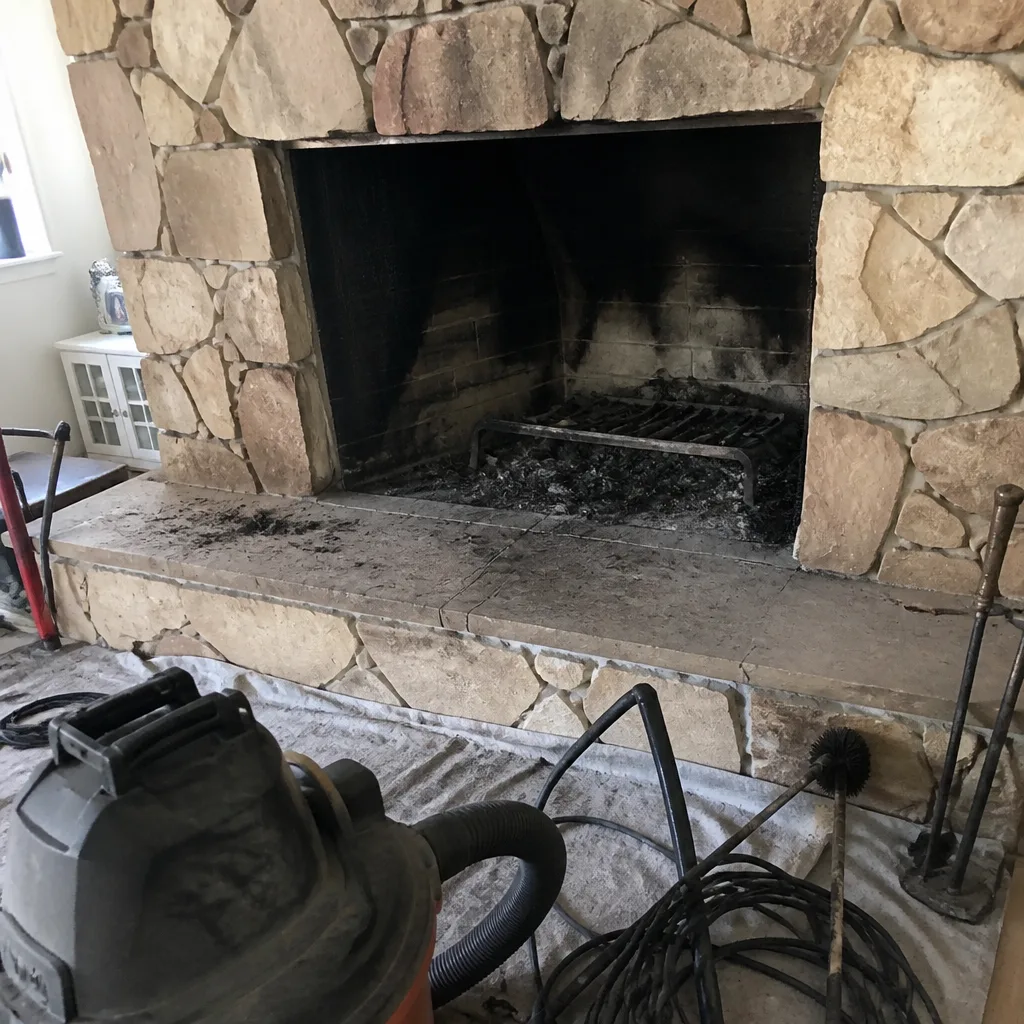
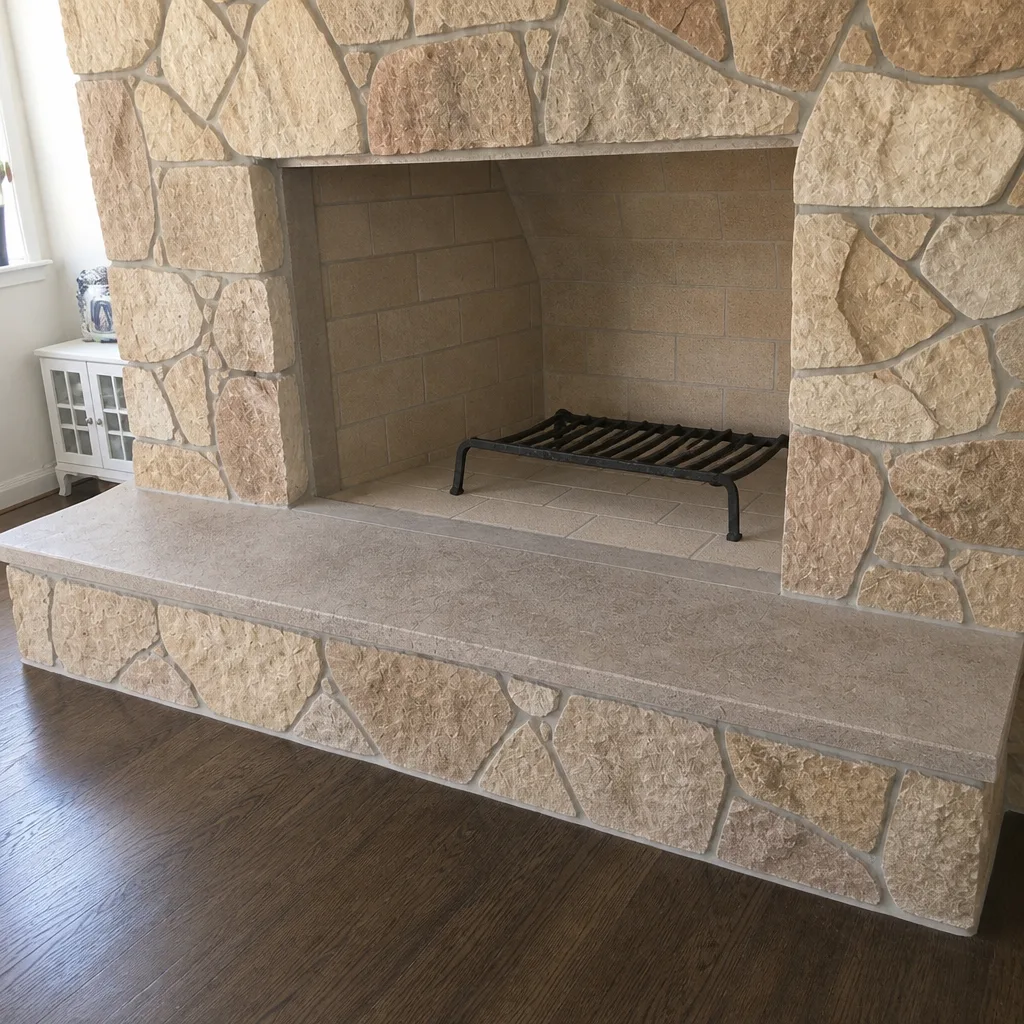
See the difference
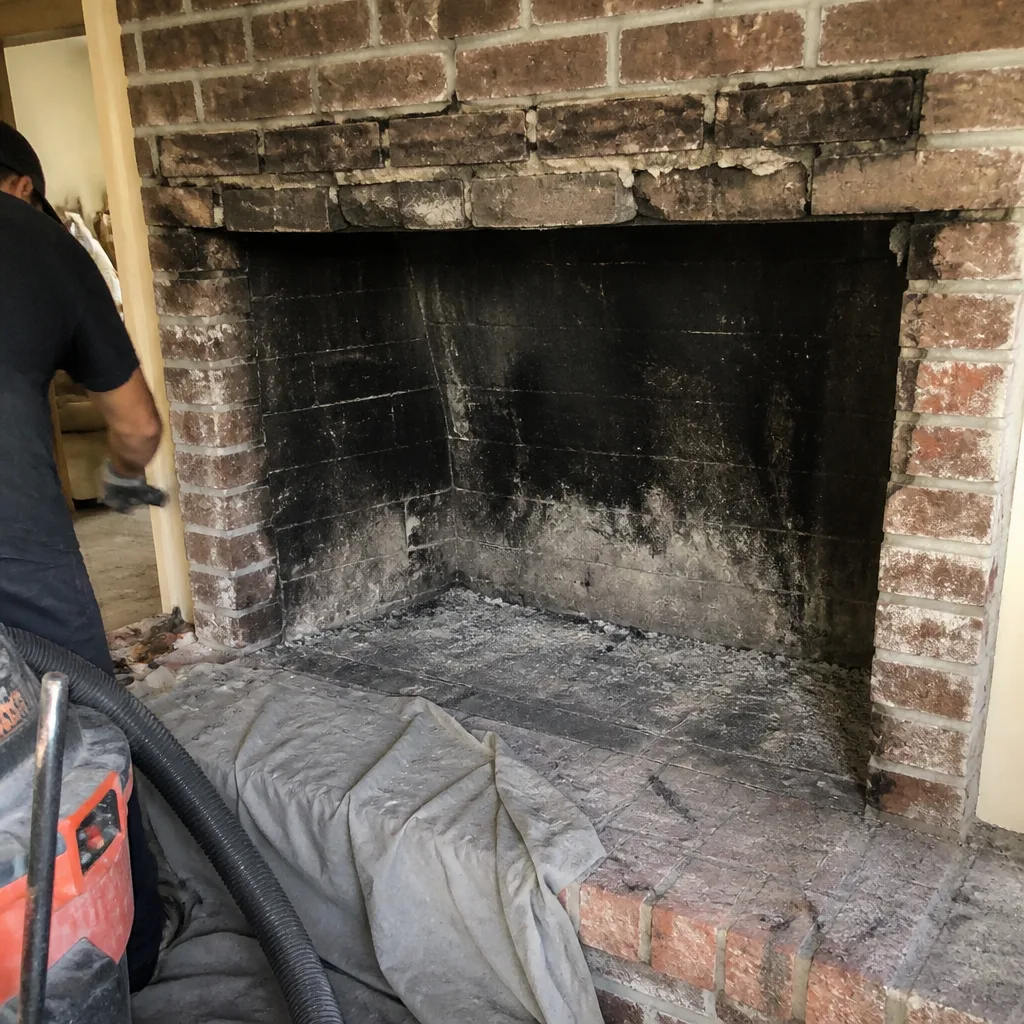 Before
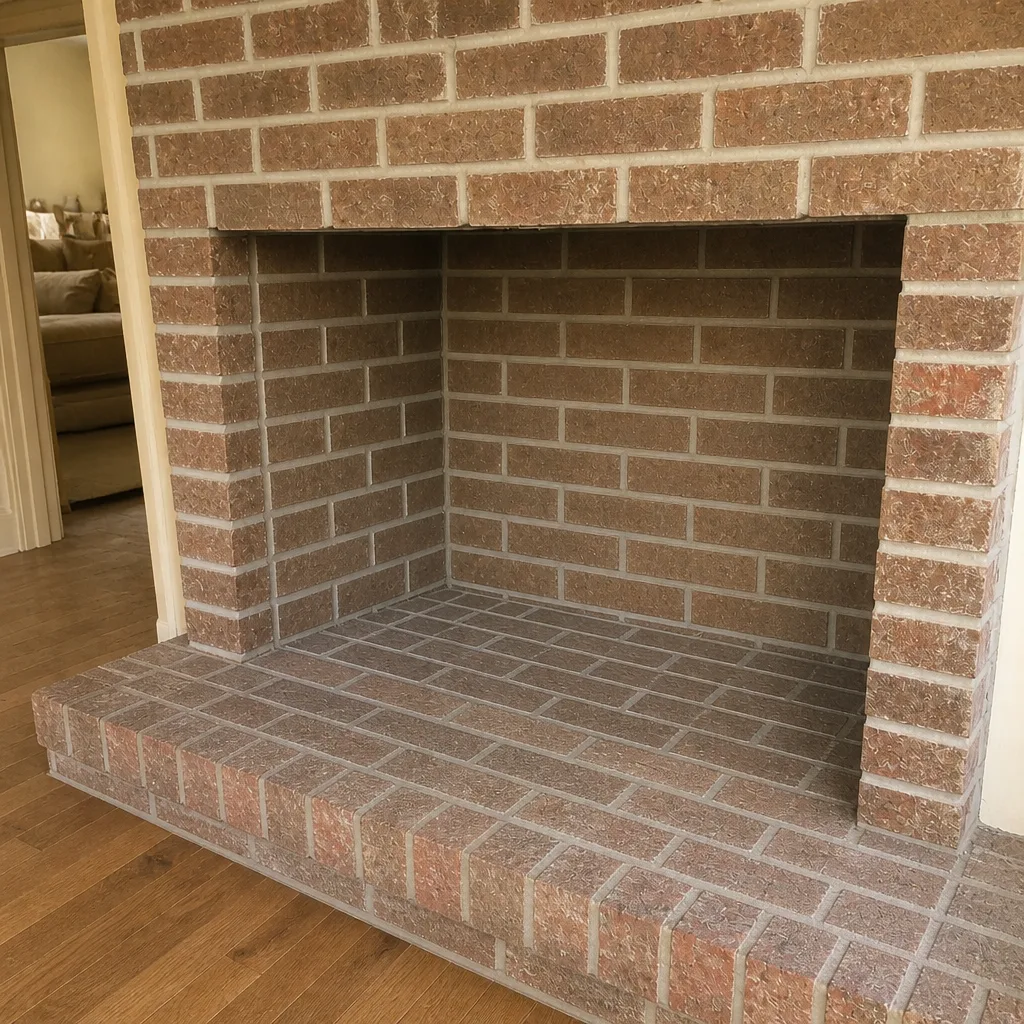 After
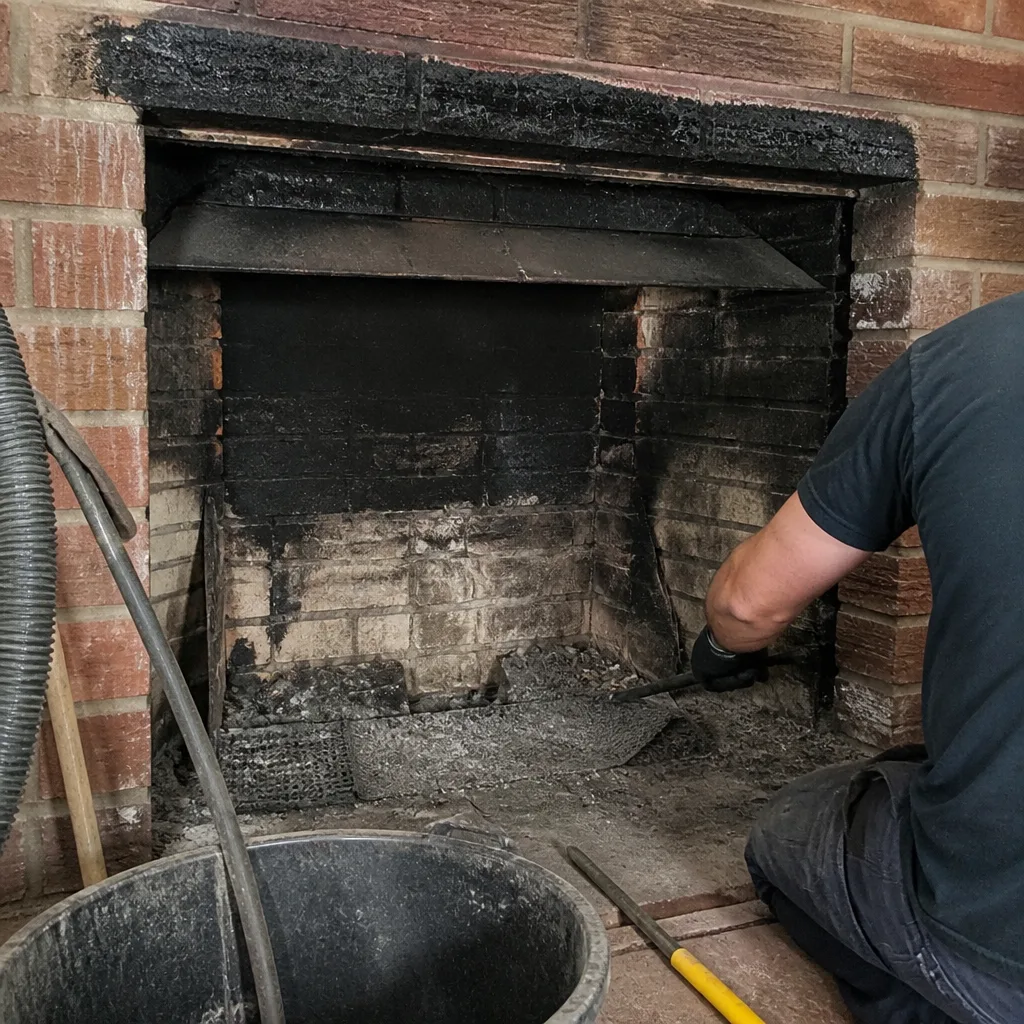 Before
 After
 Before
 After
When to Call a Professional
Call a professional when you’ve had a chimney fire, when an animal or a lot of debris has gotten inside, or when you’ve noticed a smoky smell, a draft change, or visible damage to the crown or cap. Call after a significant seismic event or storm if the chimney shows cracks or movement. Call when you’ve just bought a home and want a full picture before the first fire. And call as a matter of routine once a year, even if nothing seems wrong, because the problems that matter most are the ones you can’t see from the living room. Huntington Beach Chimney Sweep offers free estimates in Huntington Beach. Call (877) 792-6728. We answer 24/7. Fast dispatch from 7am to 7pm, Sunday through Friday. Nothing gets recommended without a look you can see for yourself, and we’ll tell you plainly when a repair can safely wait.
Frequently Asked Questions
It depends on the chimney type and on whether the visit needs a Level 1 or a Level 2 inspection with a video scan, but most homes fall into a predictable range for a standard cleaning and inspection. The written estimate sets the final price, and it’s free. Call (877) 792-6728 to set one up.
Once a year is the right rhythm for most homes here, even when the fireplace only gets a handful of fires. The marine air and the animals that use an open flue as shelter mean a low-use chimney still builds up problems. If you burn heavily, a professional may suggest a closer schedule. Call (877) 792-6728 to book a cleaning and inspection.
Not always. A liner only needs replacing when the inspection shows it’s actually compromised, such as cracked flue tiles, deteriorated joints, or a metal liner that’s failing. If replacement is needed, we’ll show you the video scan that backs it up. There are also cases where a flexible liner like DuraFlex is the right fit, or a restoration product can repair the liner without full replacement. Call (877) 792-6728 for an inspection and a clear recommendation.
Skipping a cleaning lets creosote, animal debris, and moisture build up in the flue, and that raises the chance of a chimney fire and of damage to the liner and crown. In a Huntington Beach climate, the moisture problem runs year-round, so the more relevant risk is quiet deterioration you won’t see. Call (877) 792-6728 before the next fire season.
A smoky smell when the fireplace is cold usually means moisture is sitting in the flue or smoke chamber, or that a downdraft is pushing past a failing damper or a damaged cap. The marine air in Huntington Beach makes that smell show up more often than it would inland. A cleaning and inspection will find the source. Call (877) 792-6728.
Clear the hearth area and move anything breakable away from the fireplace opening, and make sure the technician can get to the firebox and the roof. That’s about it. We handle the rest, including the inspection and the cleanup. Call (877) 792-6728 to schedule a visit.
The Bottom Line
Cleaning a chimney in Huntington Beach is about more than soot. The damp marine climate, the animals that use a cold flue, and the corrosion that affects metal liners all add up in ways that a general guide doesn’t cover. Get the chimney swept and inspected once a year, understand which inspection level applies to your home, and treat the cap and crown as part of the system, not an accessory. If a repair comes up, ask for the video evidence behind it, and take the estimate that shows the work in writing. From the firebox to the crown, a specialist who covers the whole system saves you the trouble of coordinating two contractors for one chimney. Huntington Beach Chimney Sweep offers free estimates in Huntington Beach. Call (877) 792-6728. We answer 24/7. Fast dispatch from 7am to 7pm, Sunday through Friday.
Written by the team at Huntington Beach Chimney Sweep.