
Last updated November 24, 2026
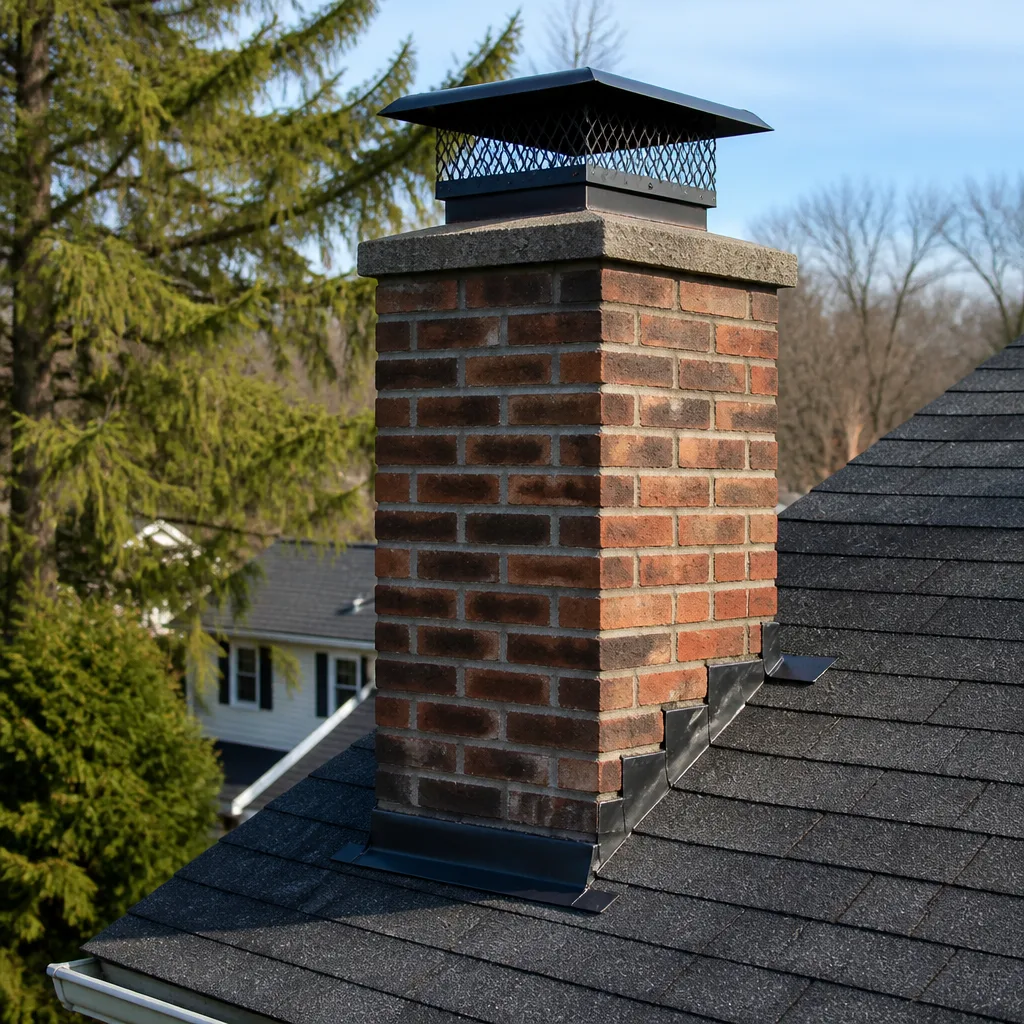 Sweep & inspection
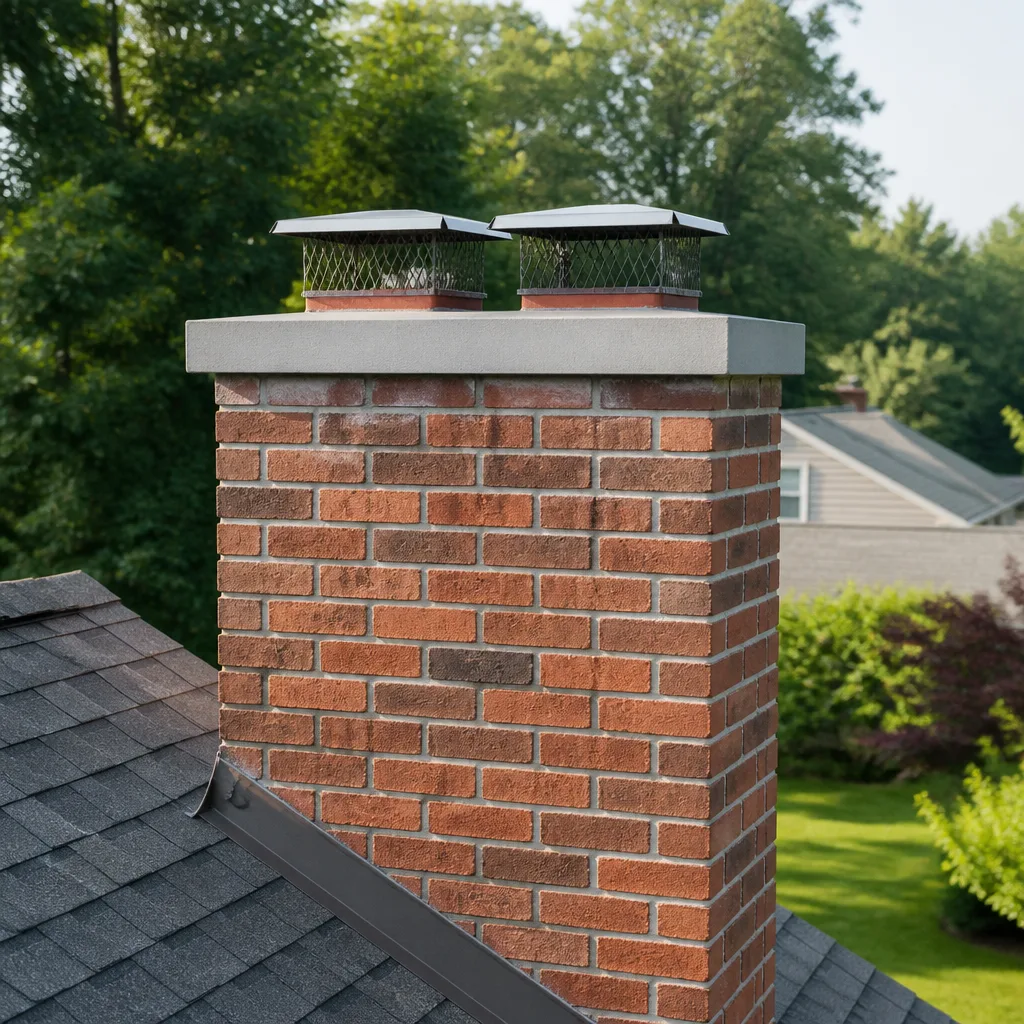 Caps & crowns
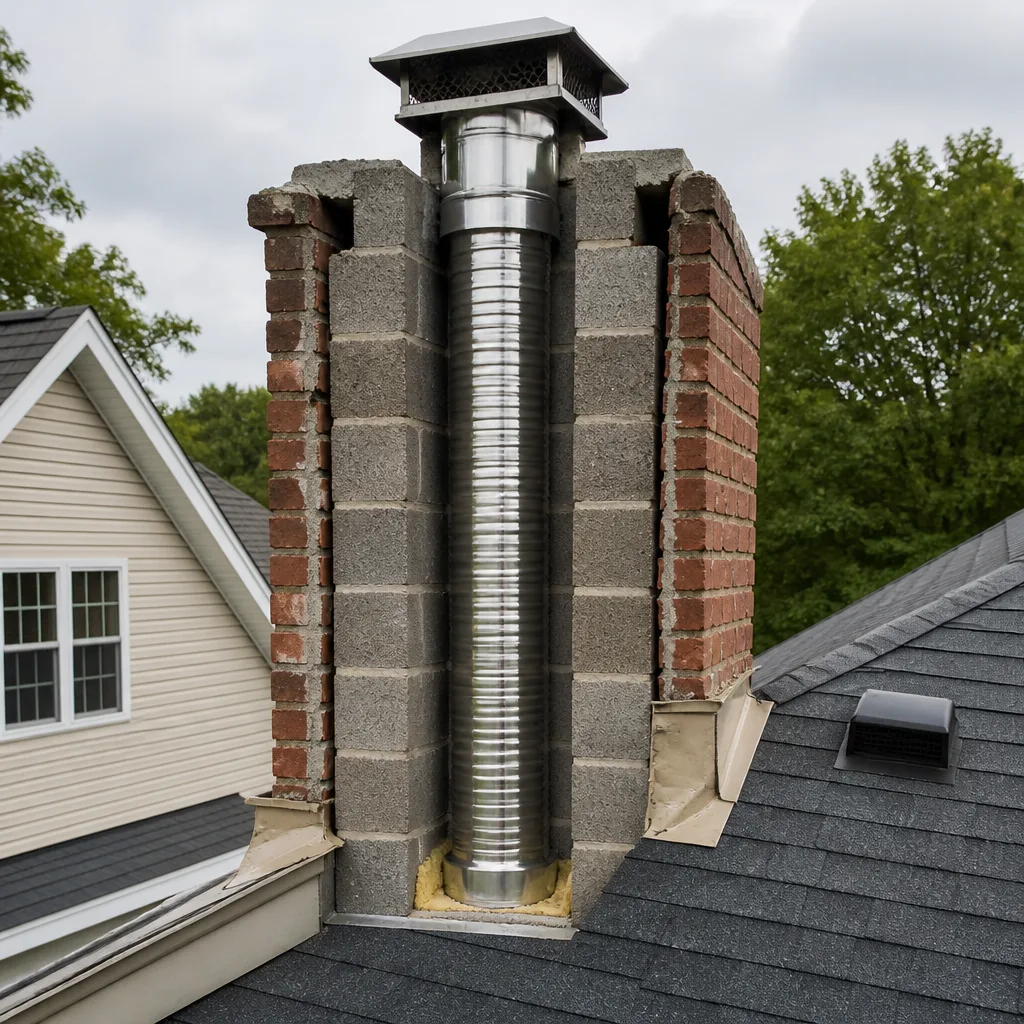 Flue relining
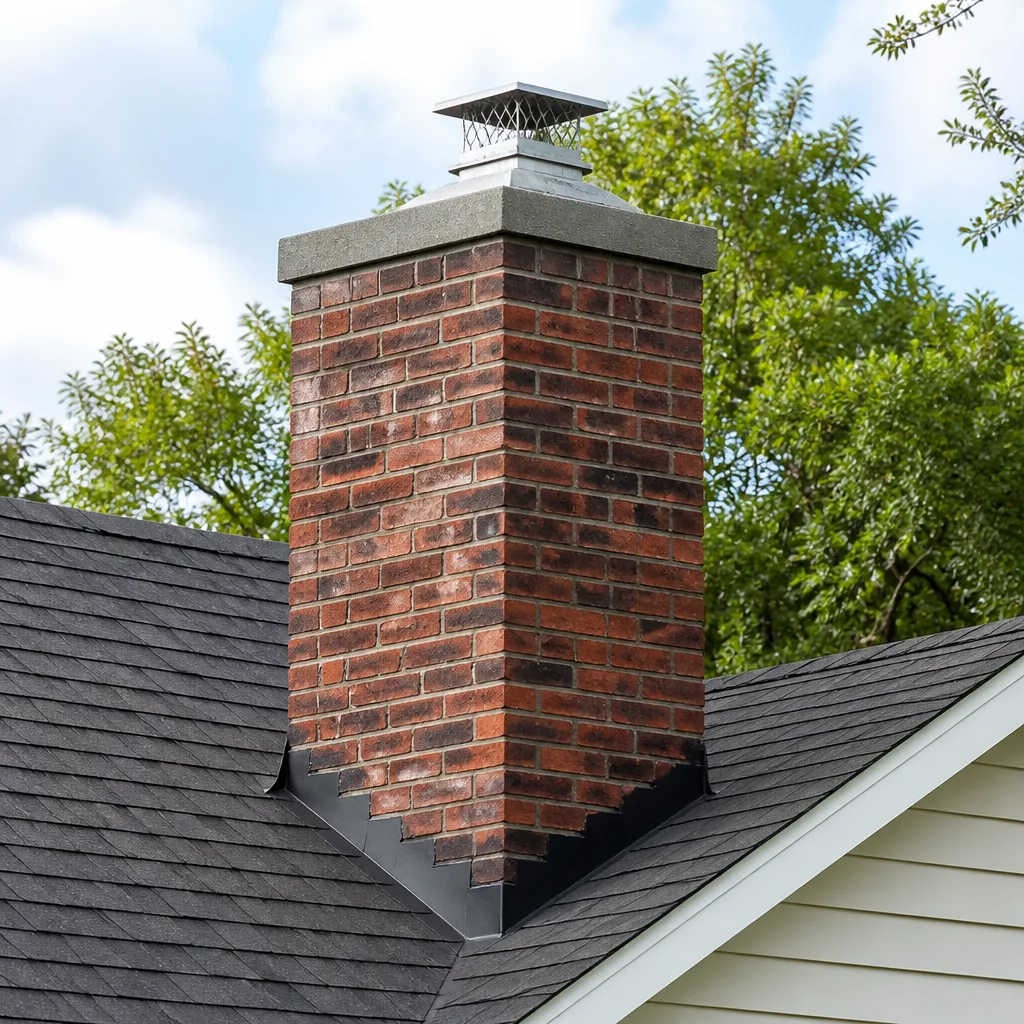 Masonry repair
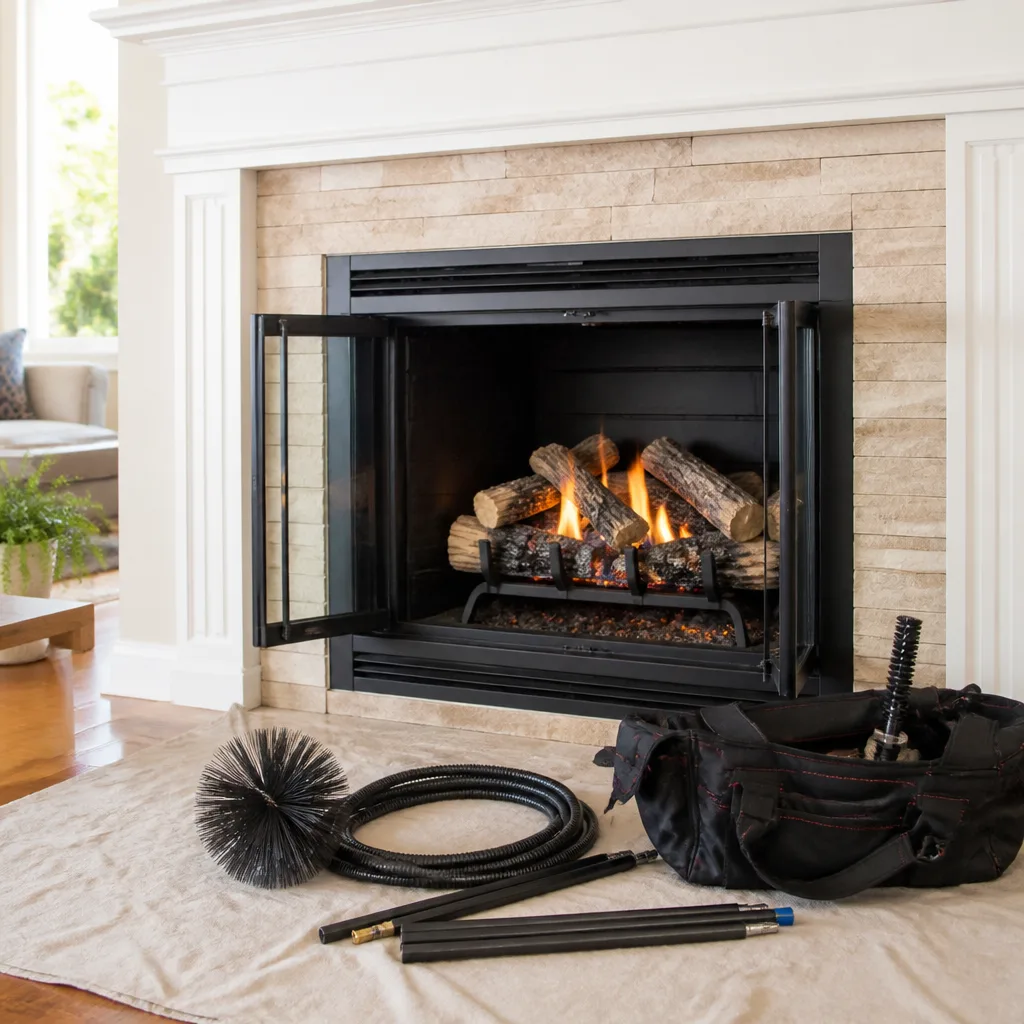 Gas fireplace service
Level 1 sweep and inspection to the NFPA 211 annual standard - flue, crown, cap, and flashing checked and photographed
Chimney sweep logs do not sweep chimneys. They loosen some creosote - which then falls where a brush and vacuum still have to collect it.
Chimney Cleaning Warning Signs: A Huntington Beach Homeowner’s Reference Guide
The warning signs that actually matter for a Huntington Beach chimney are rarely the dramatic ones. Most homeowners picture a room filling with smoke or a visible crack in the firebox, and those are serious. But the problems that quietly become expensive here tend to arrive as a faint musty smell in July, a chalky white bloom on the brick after a rain, or a cap that has shifted a few inches after a Santa Ana wind. Each of those small signals starts a rough 90-day clock. Ignore it and a $200 cleaning turns into a liner restoration or a masonry rebuild.
This guide walks through the early-stage indicators specific to Huntington Beach’s mild, low-use fireplace pattern, where chimneys accumulate slow moisture damage and nest debris rather than heavy soot. You’ll learn what each sign means, how to check it from the ground, and when to stop second-guessing and bring in a specialist.
Quick Answer
The main chimney cleaning warning signs in Huntington Beach are a musty smell that lingers past the first cool evening, white efflorescence staining on exterior brick, spalling or flaking masonry, a firebox that drafts poorly or back-puffs smoke, a cap that has tilted or lost its screen, and a crown with visible cracks. Any one of these means the system needs a professional inspection, and most chimney problems here develop slowly enough that early detection saves the liner.
Styles & brands we work with
- Sweep & inspection
- Caps & crowns
- Flue relining
- Masonry repair
- Gas fireplace service
Table of Contents
- Why Your Fireplace Smells in Summer: When Mustiness Is More Than Normal
- White Staining on Brick: Reading Efflorescence on Huntington Beach Masonry
- Spalling Brick Patterns: Salt-Air Damage vs. Freeze-Thaw and Why It Matters
- Smoke Behavior Changes: Damper, Liner Obstruction, or Coastal Draft
- Cap and Crown Checks You Can Do From the Ground With Binoculars
- The Low-Use Trap: Why Rarely Used Chimneys in Huntington Beach Still Need Sweeping
- When a Warning Sign Means Repair, Not Just Cleaning
Why Your Fireplace Smells in Summer: When Mustiness Is More Than Normal
A cold fireplace smelling faintly of ash and old smoke is normal. A cold fireplace smelling of damp earth, sour wood, or ammonia is telling you something else is going on inside the flue. In Huntington Beach, where the marine layer pushes humidity up the coast most summer mornings, that distinction matters more than it does inland.
The first kind of smell comes from creosote and soot residue left on the flue walls after the last burn of the season. Warm, humid air outside your house is lighter than the cooler air sitting inside the chimney, so it stays put. That trapped air picks up the ash smell and pushes it back into the room. A proper chimney sweep clears it, and the smell doesn’t return until the next burn season.
The second kind is a moisture problem. If water is getting into the flue through a missing cap, a cracked crown, or a failed liner joint, the soot and masonry inside stay damp for months. That damp environment grows a musty smell that no amount of airing out fixes. It also degrades the liner faster than dry soot ever would.
How to tell the two apart
- Shine a flashlight up the flue from the firebox on a dry day. If the walls look dark and dry, the smell is likely just residue.
- Look for streaks or staining at the smoke chamber and damper frame. Water tracks usually leave a visible line where moisture has run down.
- Check the exterior for missing caps or cracked crowns before rain moves in.
- If the smell intensifies after a rain or a heavy marine layer morning, moisture is the culprit, not creosote.
An ammonia smell is different again. That usually points to animal intrusion, and birds, squirrels, or bats nesting in a flue are common in older neighborhoods near Huntington Beach where rooflines and mature trees give them easy access. A professional inspection with a camera confirms it and shows you exactly what’s in there.
White Staining on Brick: Reading Efflorescence on Huntington Beach Masonry
Efflorescence is the white, powdery salt bloom that appears on masonry when moisture drives through brick or mortar and evaporates on the surface, leaving dissolved salts behind. It is not dirt, and it is not normal aging. It is a moisture indicator, and it tells you water is moving through your chimney when it shouldn’t.
In Huntington Beach, efflorescence shows up most often on the upper third of exterior chimney stacks and around the crown and cap. That’s where rain lands first and where the mortar joints are most exposed. Coastal humidity slows the drying process, so moisture stays in the masonry longer than it would in a dry inland climate, giving salts more time to migrate outward.
Three things make efflorescence worth paying attention to, especially compared with a dirty patch of soot or a stray paint drip:
- It returns after a rain. Clean efflorescence off and watch it. If a fresh bloom appears within a few weeks of rain, moisture is still getting in.
- It shows up alongside darker damp patches. Those patches are usually near failed mortar joints or a crown that has lost its slope.
- It appears on the interior chimney breast. Staining inside the house is a serious sign and points to a failed liner or vapor barrier.
Most efflorescence alone is cosmetic, and a specialist can remove it cleanly without damaging the brick face. The question worth answering is where the water is entering. A crown that has lost its water-shedding slope, missing flashing, or a cap without a proper screen all push water into the stack, and each of those has a specific repair. A full inspection from the firebox to the crown identifies the source, so you’re not guessing at a fix.
Spalling Brick Patterns: Salt-Air Damage vs. Freeze-Thaw and Why It Matters
Spalling is the flaking, peeling, or popping-off of the surface layer of brick. To the homeowner it looks like rough, pitted masonry. To a chimney specialist, the pattern of the spalling tells a story about what caused it, and the cause determines the right repair.
In most of the country, spalling follows the freeze-thaw cycle: water seeps into brick, freezes overnight, expands, and forces the face off. Huntington Beach doesn’t see that pattern. Winters are mild, hard freezes are rare, and one hard freeze doesn’t align with what most homeowners here discover. The spalling you see in Huntington Beach is much more likely the result of salt-air exposure and chronic moisture.
Salt-air damage
Salt air doesn’t crack brick overnight. It works over years through the same salt-crystal mechanism that causes efflorescence. Salt crystals build up just under the brick face and force the outer layer off in sheets, often starting high on the stack and spreading down. The damaged area tends to look chalky, thinning, and shallow, and it’s frequently found on the face the wind hits first.
Chronic moisture damage
This looks different. The spalling tends to concentrate near a failed crown, missing cap, or deteriorated flashing. It often appears alongside dark staining, moss, or a visible water path. The repair is not just replacing the brick; you also need to fix the water source, or the new brick spalls too.
Why the difference matters
Salt-driven spalling on brick that has been removed from its water source usually stabilizes once moisture is corrected. Moisture-driven spalling is a warning that the chimney is actively taking on water, often from the top down. Matching the pattern to the cause is how a specialist decides between repointing mortar, replacing a section of brick, rebuilding the crown, or resetting a cap. Guessing leads to repeat repairs.
Smoke Behavior Changes: Damper, Liner Obstruction, or Coastal Draft
Smoke behavior is the most misread warning sign in a Huntington Beach chimney, because three different problems produce the same “smoke won’t go up” symptom. Get the diagnosis right and the fix is straightforward. Get it wrong and you’ll spend money on a repair that doesn’t last.
Damper issues
A damper that doesn’t fully open, or one stuck partially closed, restricts draft and pushes smoke into the room. You can feel it when you open the damper before lighting a fire: the handle should move freely, and you should feel a clear pull. If it grinds, sticks, or feels loose, the damper needs attention, and this is a common fireplace repair we handle alongside a sweep.
Liner obstruction
A blocked or narrowed flue, from excessive creosote, a collapsed liner section, a bird nest, or debris falling down the flue, forces smoke back into the firebox. If the chimney also smells musty or you have seen birds near the cap, obstruction is high on the list. This is the one that has real safety stakes. A blocked flue prevents carbon monoxide from venting outside, so it should never be shrugged off. Ask your local building department about permit requirements for liner work before agreeing to it, and never attempt to clear a blocked flue yourself.
Coastal draft issues
Huntington Beach’s afternoon onshore breeze and sudden Santa Ana wind shifts change pressure at the chimney top, and that can produce smoke backdraft even with a clean flue and an open damper. A chimney that drafts poorly only on certain afternoons, or only when the wind picks up, points to a cap or draft problem rather than a cleaning problem. A properly sized cap with the right height often resolves it.
How to sort it out
- Open the damper fully and confirm the handle feels right.
- Check the flue for a visible obstruction with a flashlight.
- Note when the smoke appears: after a wind shift, on the first fire of the season, or every time.
- Book an inspection so the specialist can see the flue and smoke chamber directly.
Cap and Crown Checks You Can Do From the Ground With Binoculars
You don’t need to get on the roof to catch most cap and crown problems. A pair of binoculars and a few minutes on your own driveway or garden will surface most of them, and knowing what you’re looking at saves you a repair call. A chimney cap & crown problem is one of the most common water-intrusion causes in Huntington Beach, so this check belongs in any homeowner’s routine.
What to look for on the cap
- Cap sitting off-center. A cap tilted or shifted indicates wind or a failed fastener. Once it’s off square, rain gets in and animals get in.
- Missing or torn screen. Birds and squirrels use the gap immediately. If the screen has gone, assume nests until an inspection says otherwise.
- A cap that sits too low or too high. A cap too close to the crown disturbs draft. One stacked too high can catch wind and cause backdraft.
- Rust streaks running down the flue. Rust usually means water is getting in and pooling at a metal component.
What to look for on the crown
- Visible cracks. Any crack that runs from the flue opening out to the edge lets water into the top of the chimney.
- Loss of slope. A flat-topped or sagging crown no longer sheds water, so it pools and travels down through the masonry.
- Crumbling or chipped edges. Failing edges open gaps at the flashing line.
- White staining concentrated at the crown. This is the efflorescence pattern we described earlier and often signals the crown itself is the water source.
If anything on this list turns up, it’s time for an inspection. Crown and cap repairs are typically far less expensive than the liner and masonry damage they prevent, and they solve the leading cause of water intrusion that sweep-only companies tend to leave for someone else. We install caps and crowns sourced from Famco and Copperfield, and we can rebuild a failed crown in the same visit as the inspection.
The Low-Use Trap: Why Rarely Used Chimneys in Huntington Beach Still Need Sweeping
One of the biggest assumptions in Huntington Beach is that a fireplace used a few times a season doesn’t need regular service. Mild winters mean many homeowners light a fire only on cool evenings or holidays. The chimney gets light use, so it must be fine.
That assumption misses what a low-use chimney actually accumulates: debris, moisture, and animal activity, not just soot. Because the chimney doesn’t get the hot fires that dry it out and keep it clear, it can sit damp through the onshore season while debris builds up at the damper and in the smoke chamber. A lightly used Huntington Beach chimney is often in worse condition than one that gets worked hard through a cold northern winter.
The recommended sweep schedule
Industry-standard guidance is a cleaning when the creosote buildup reaches about an eighth of an inch, checked annually. For a lightly used fireplace, that can mean a sweep every year or two, but the check should still happen once a year. Skipping the check rather than the sweep is the mistake to avoid.
What an annual inspection catches
- Debris and animal nests that have settled in during the off-season.
- Early moisture damage around the cap, crown, or smoke chamber.
- Efflorescence and spalling that are just beginning to show up.
- Liner wear that’s slow but cumulative.
- Damper issues that build up from disuse.
This is why the inspection matters as much as the cleaning. In a Huntington Beach chimney used a few times a year, the inspection is often the part that catches a real problem.
When a Warning Sign Means Repair, Not Just Cleaning
Some warning signs are cleared by a sweep. Others mean a specific repair is needed, and mixing the two up is how homeowners end up paying for a cleaning that doesn’t solve the underlying problem. Here’s the practical dividing line.
Sweep is likely sufficient when:
- The only symptom is the normal ash smell and visible soot.
- The fire drafts well and the damper operates smoothly.
- There is no visible water staining or efflorescence on the brick.
- The cap and crown look intact from the ground.
Repair is likely needed when:
- Efflorescence returns after rain, or there are damp patches on the masonry.
- Spalling is present, or there’s a crack running through the crown.
- A cap has shifted, lost its screen, or is showing rust streaks.
- The smell is musty rather than ashy, or there’s an ammonia odor.
- Smoke backdrafts consistently rather than only on windy afternoons.
The liner question
A deteriorating flue liner is the most consequential repair, and the one homeowners most often worry is being oversold. Two technical points help. First, the liner is what keeps heat and combustion gases away from the building structure and keeps carbon monoxide venting up and out. Second, there are more than two options: full relining, and liner restoration. HeatShield is a specialist system that repairs a deteriorating flue liner from the inside without a full replacement, and it’s a real alternative when the liner is still structurally intact but has developed cracks or gaps. A skilled inspection shows you which one fits, with camera evidence you can see yourself.
For chimneys where rigid liner runs are impractical, flexible DuraFlex liner systems can be installed where rigid pipe won’t go. Those are the kinds of choices a specialist walks you through after seeing the flue, not before.
Common Mistakes to Avoid
- Treating the annual inspection as optional. Skipping the yearly check is how quiet moisture damage becomes an expensive rebuild. A cleaning and an inspection serve different purposes, and both belong on the calendar.
- Cleaning efflorescence off and assuming it’s solved. Cleaning the bloom without finding the water source guarantees it returns. The bloom is the symptom, not the problem.
- Waiting until the fire won’t draft. By the time smoke is coming into the room, the obstruction is well established. Watch for the smaller signs first.
- Replacing brick without fixing the water path. New brick on a chimney with a failed crown or missing cap spalls within a few seasons. Fix the water first.
- Hiring a sweep-only company for a structural problem. A sweep can clear the flue, but if the crown is cracked or the cap is missing, a specialist who can also handle the masonry keeps you from repeating the call.
- Burning green or unseasoned wood to save money. Wet wood deposits more creosote and drives the moisture problem faster. Dry, seasoned firewood is part of the maintenance.
- Ignoring the Santa Ana wind check. After any significant wind event, spend three minutes with binoculars. A shifted cap is easy to spot from the ground and cheap to fix if you catch it early.
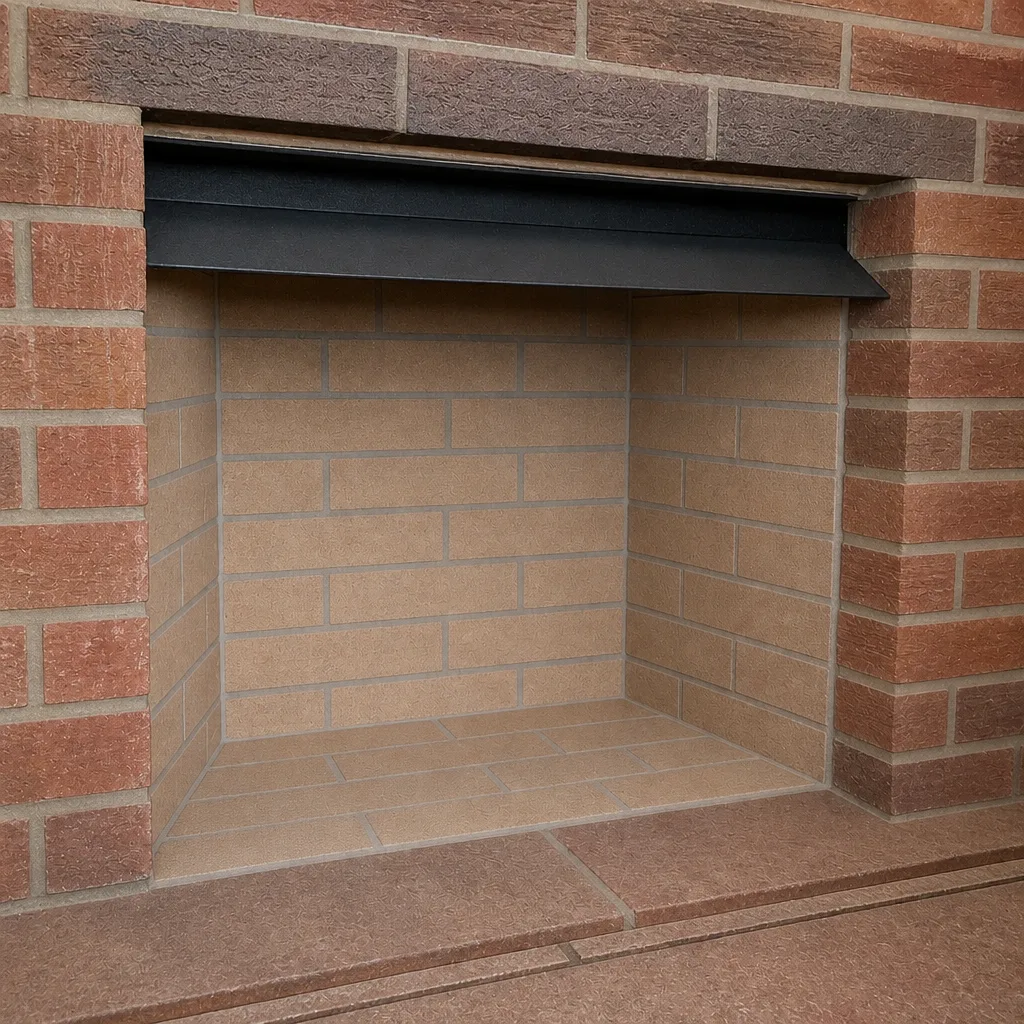
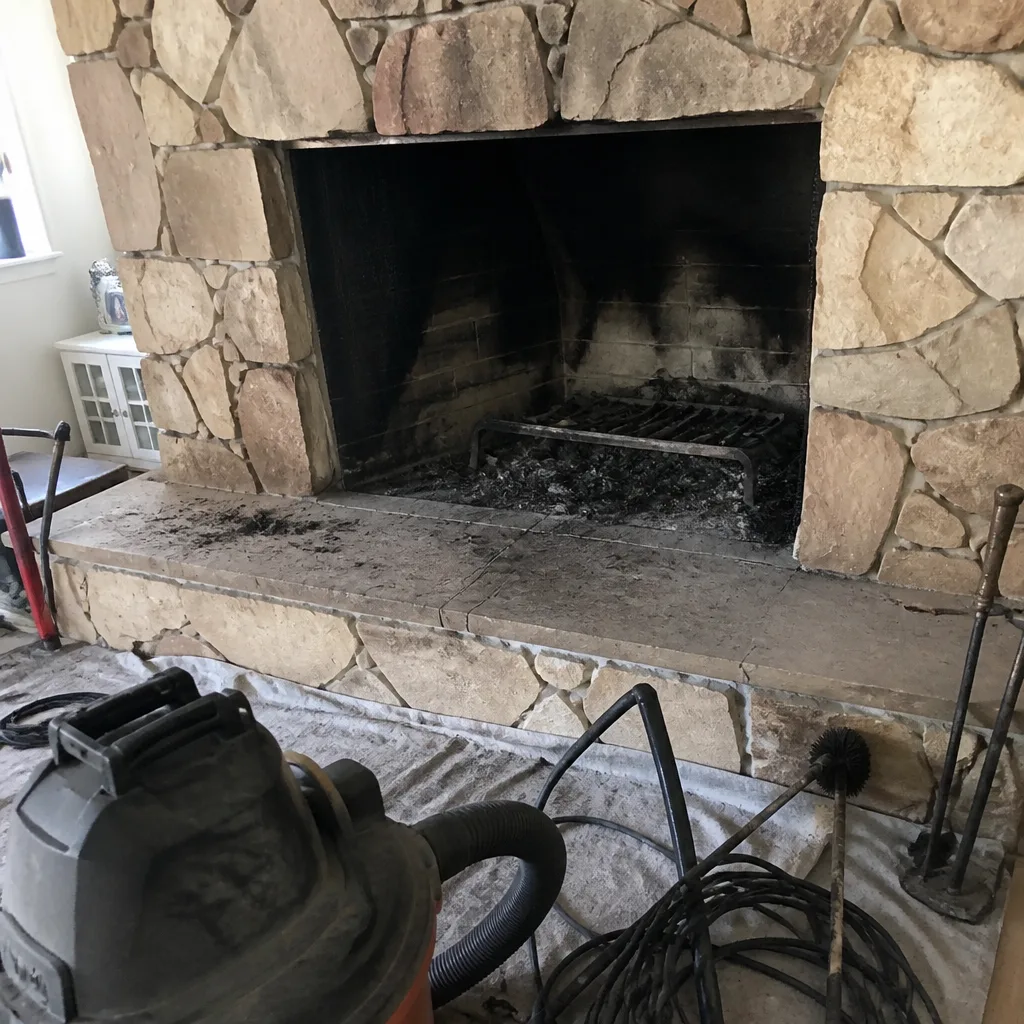
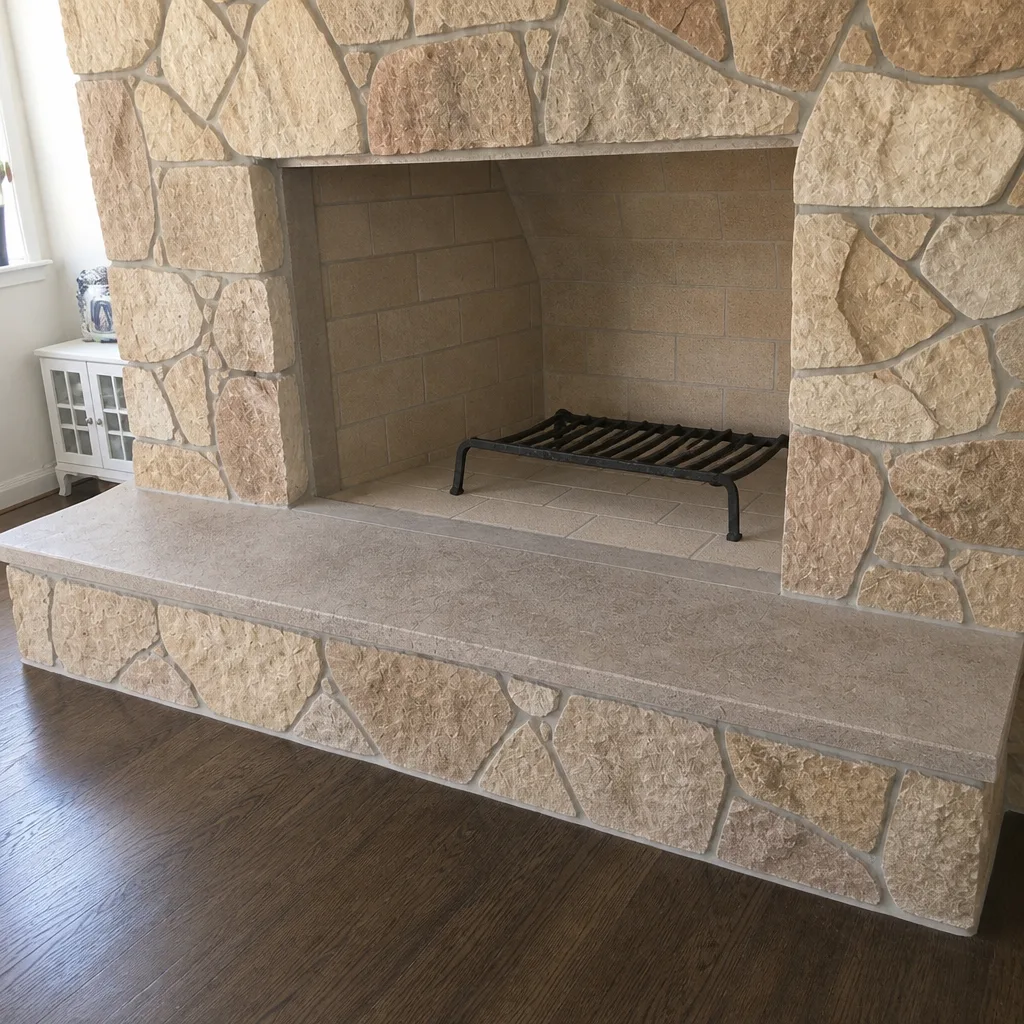
See the difference
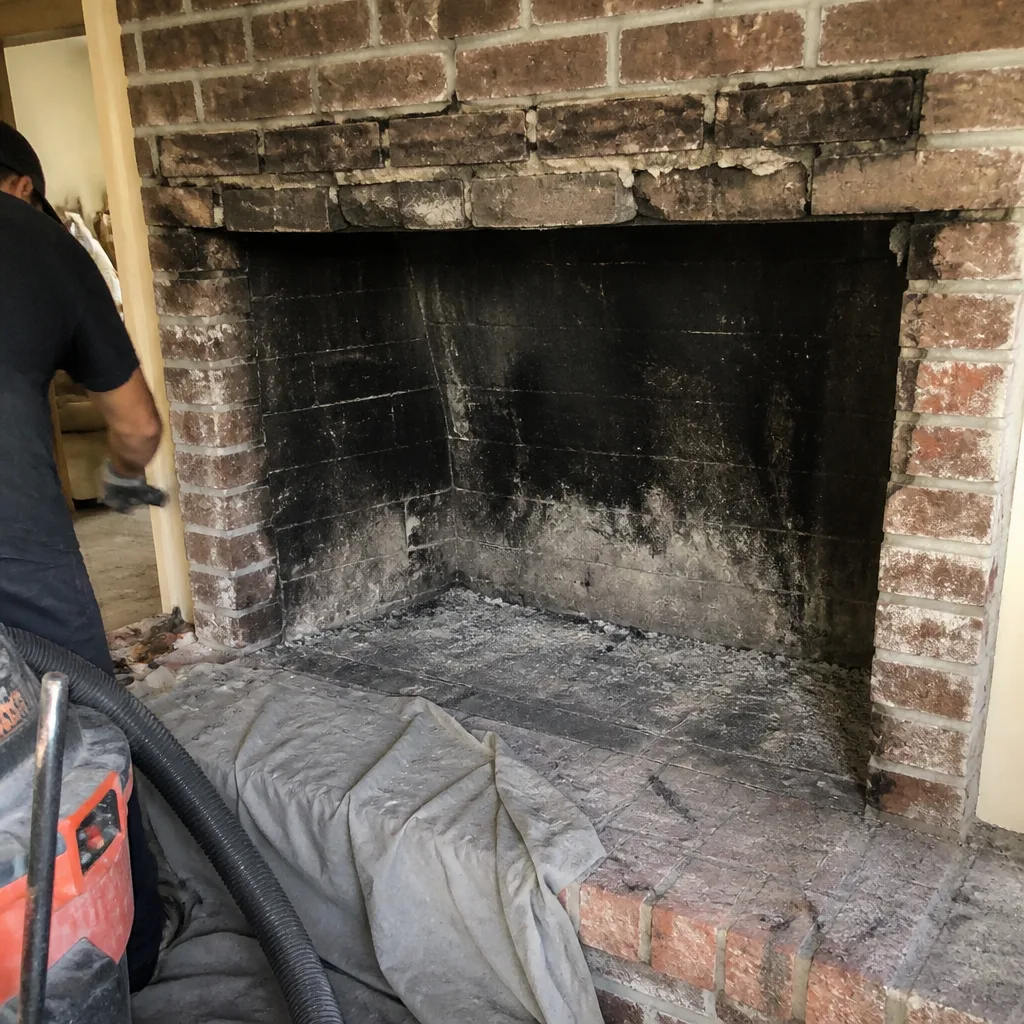 Before
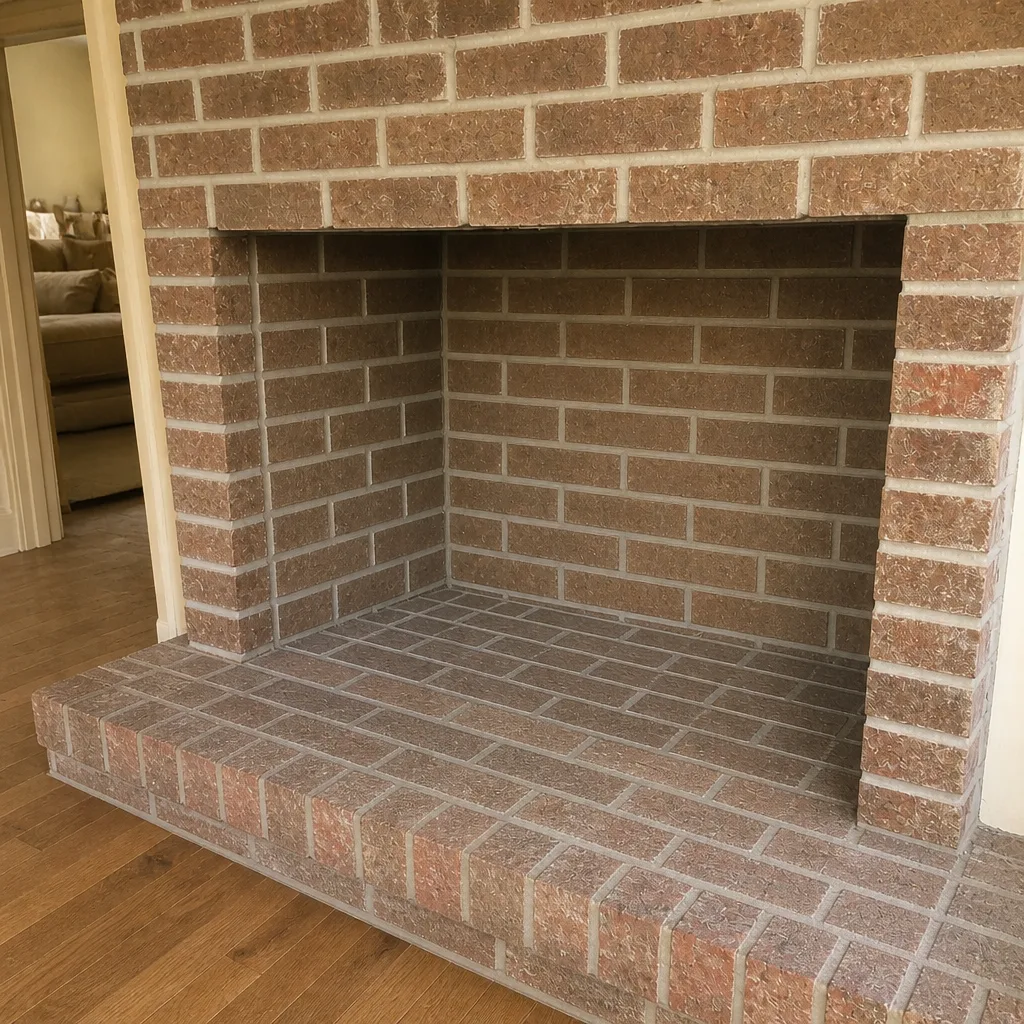 After
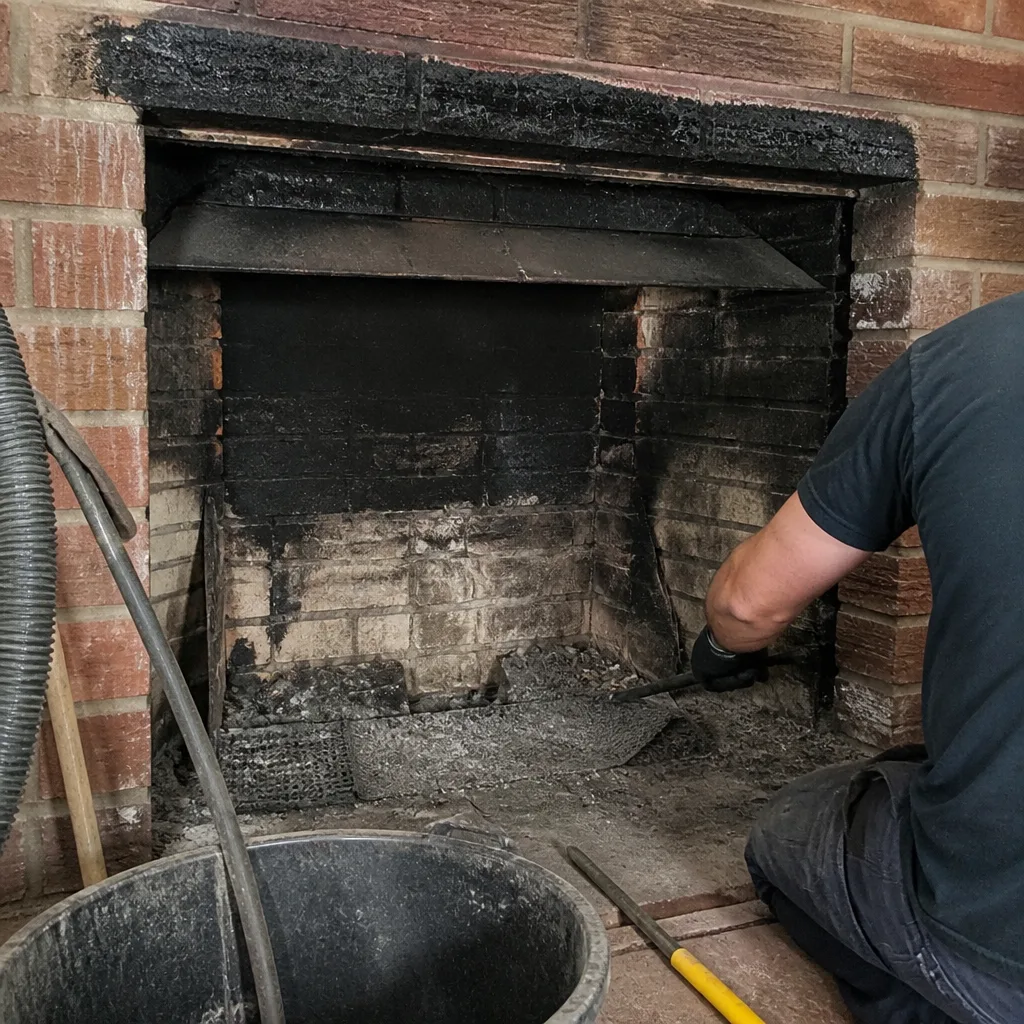 Before
 After
 Before
 After
When to Call a Professional
Call a chimney professional when you see any two of the warning signs in this guide, when the smell is musty rather than ashy, when efflorescence returns after rain, or when a cap has visibly shifted. Call sooner if smoke backdrafts consistently or the flue is blocked; that’s a carbon monoxide risk and needs a camera inspection before the next fire. Call a specialist, not a sweep-only service, if the chimney has masonry cracks, a failed crown, or a liner problem, so the same team can diagnose and fix it. Huntington Beach Chimney Sweep offers free estimates in Huntington Beach – call (877) 792-6728. We answer 24/7. Fast dispatch, 7am-7pm, Sunday through Friday.
Frequently Asked Questions
The first signs are usually a lingering musty smell, ash residue that reappears at the smoke chamber, and a fire that drafts a little less strongly than it used to. Visible creosote buildup at the damper, darker flue walls seen with a flashlight, and a hesitant flame on the first fire of the season all point to a cleaning being due. Call (877) 792-6728 for an exact quote – estimates are free.
Once a year for an inspection, and cleaned whenever the creosote layer reaches about an eighth of an inch. In Huntington Beach, where many fireplaces are used a few times a season, the cleaning cadence can be shorter but the yearly inspection still matters because moisture and debris damage don’t wait for a fire. Book the check before burning season.
White powder on brick is efflorescence, and it’s cosmetic by itself but a real moisture signal. Cleaning it off is straightforward, but if it returns within a few weeks of rain, water is still moving through the masonry and the source needs to be fixed. That source is usually a crown, cap, or flashing issue. Call (877) 792-6728 to book an inspection and see what’s driving it.
Not always. A failing liner has two repair paths: full relining, or liner restoration using HeatShield, which repairs a liner that is still structurally intact without replacing it. Which one fits depends entirely on what the inspection finds, and nothing should be recommended without camera evidence you can see for yourself. Call us for an exact quote – estimates are free.
Skipping it allows moisture damage, creosote buildup, and animal intrusion to develop without being noticed, and the cost of repair rises with each season of delay. The most serious outcome is a blocked or damaged flue that lets carbon monoxide vent into the home, which is the reason for the annual check. Call (877) 792-6728 to schedule the inspection and see the condition for yourself.
Yes. A pair of binoculars from the driveway will show you whether the cap is level, whether the screen is intact, whether the crown has cracks or a loss of slope, and whether efflorescence or rust streaks are visible. Anything you spot from the ground is worth an in-person inspection. Call us for an exact quote – estimates are free.
The Bottom Line
The chimney warning signs worth acting on in Huntington Beach are the quiet ones: a musty smell that stays past the first cool evening, white staining on the brick after rain, spalling that follows a salt-air pattern rather than frost, smoke that backdrafts only on certain afternoons, and a cap or crown that has shifted or cracked. Each one points to a specific repair, and each is much cheaper to fix now than after a season of moisture damage. Watch for the subtle signs, check the exterior from the ground, book the annual inspection, and fix the water source before the brick. This is how a Huntington Beach Chimney Sweep keeps a chimney system safe without overselling the work. One call gives you the full picture, and every cape and crown we install comes from the professional brands the trade relies on, so the fix lasts. Call (877) 792-6728 for a free estimate. We answer 24/7. Fast dispatch, 7am-7pm, Sunday through Friday.
Written by the team at Huntington Beach Chimney Sweep.