
Last updated November 24, 2026
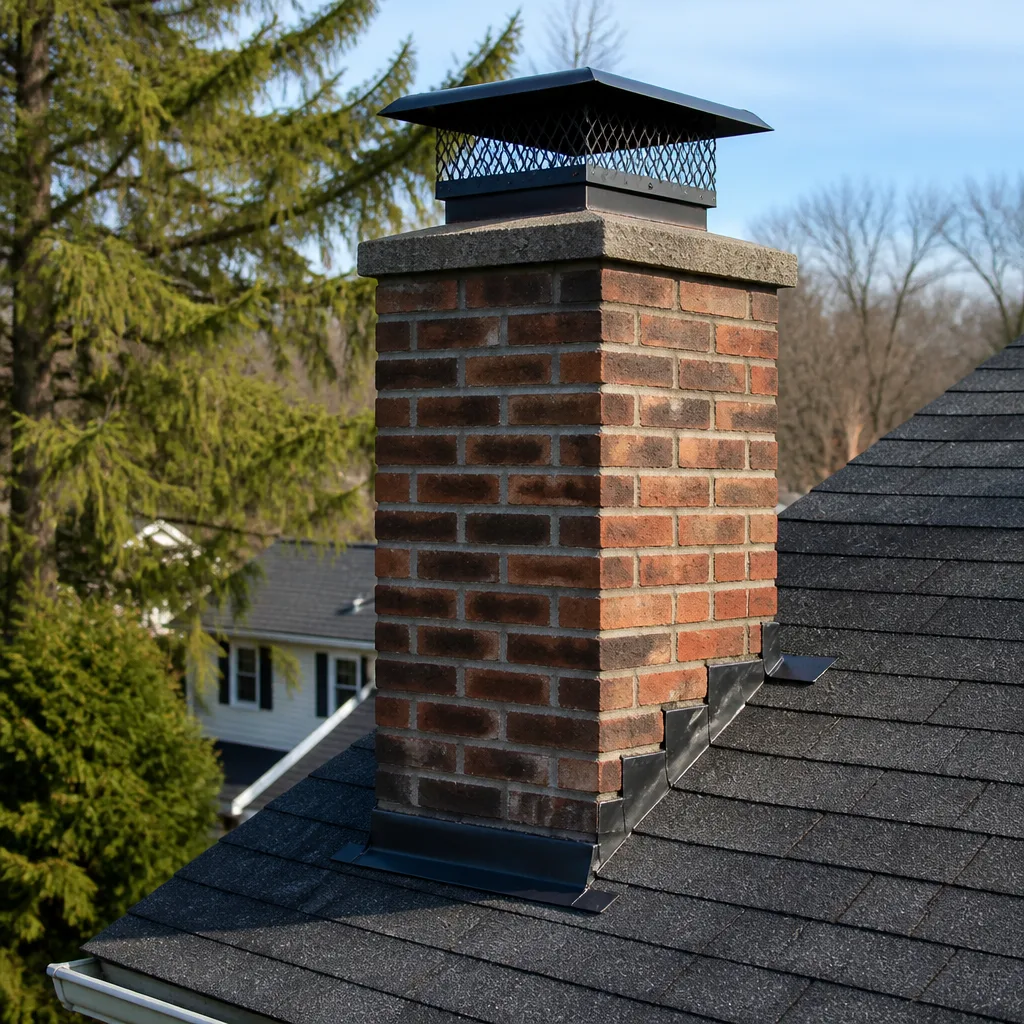 Sweep & inspection
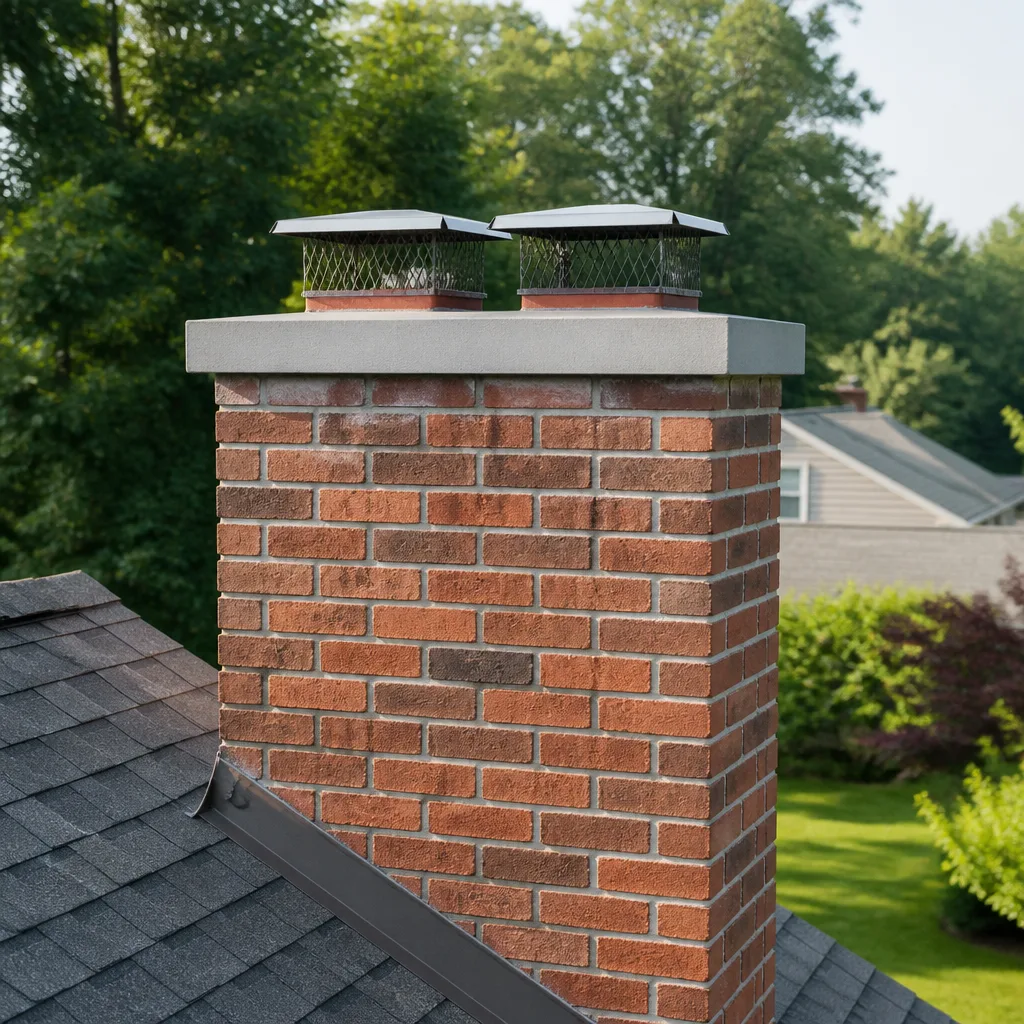 Caps & crowns
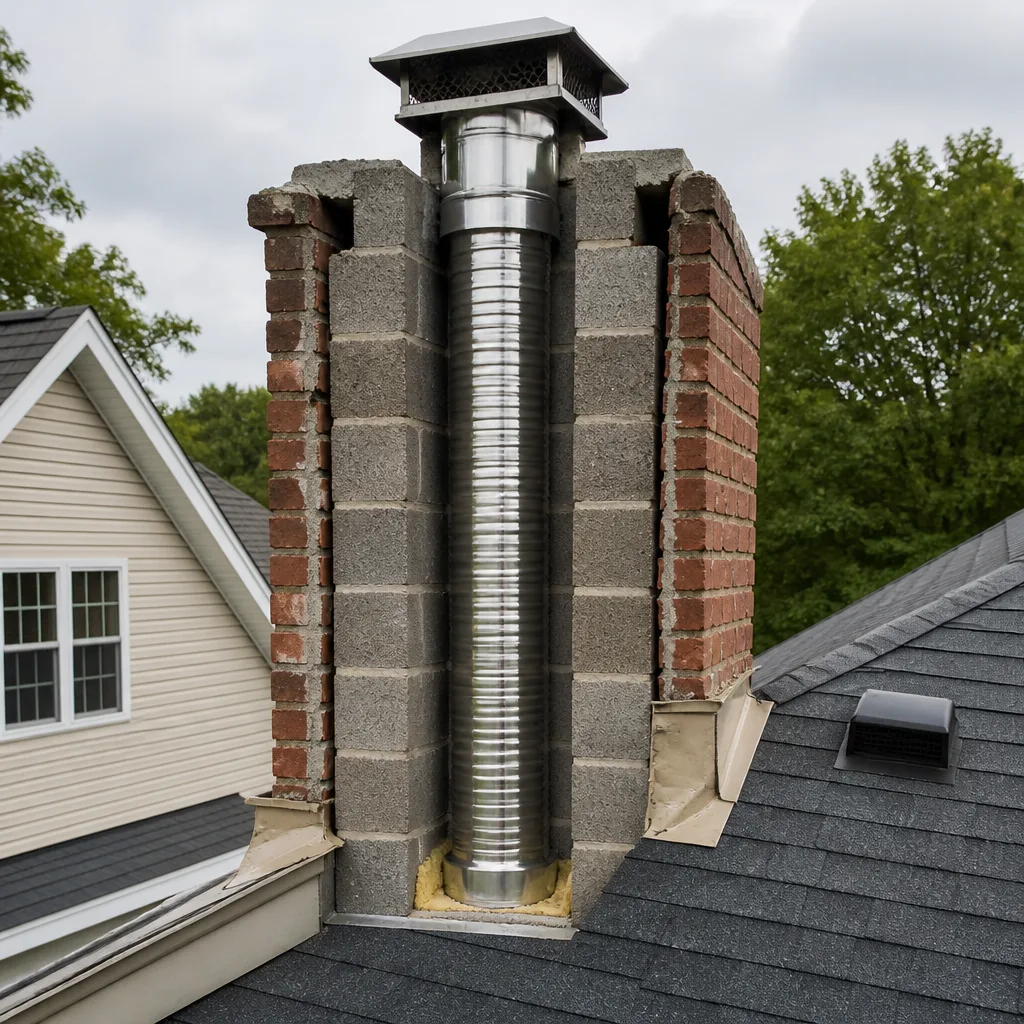 Flue relining
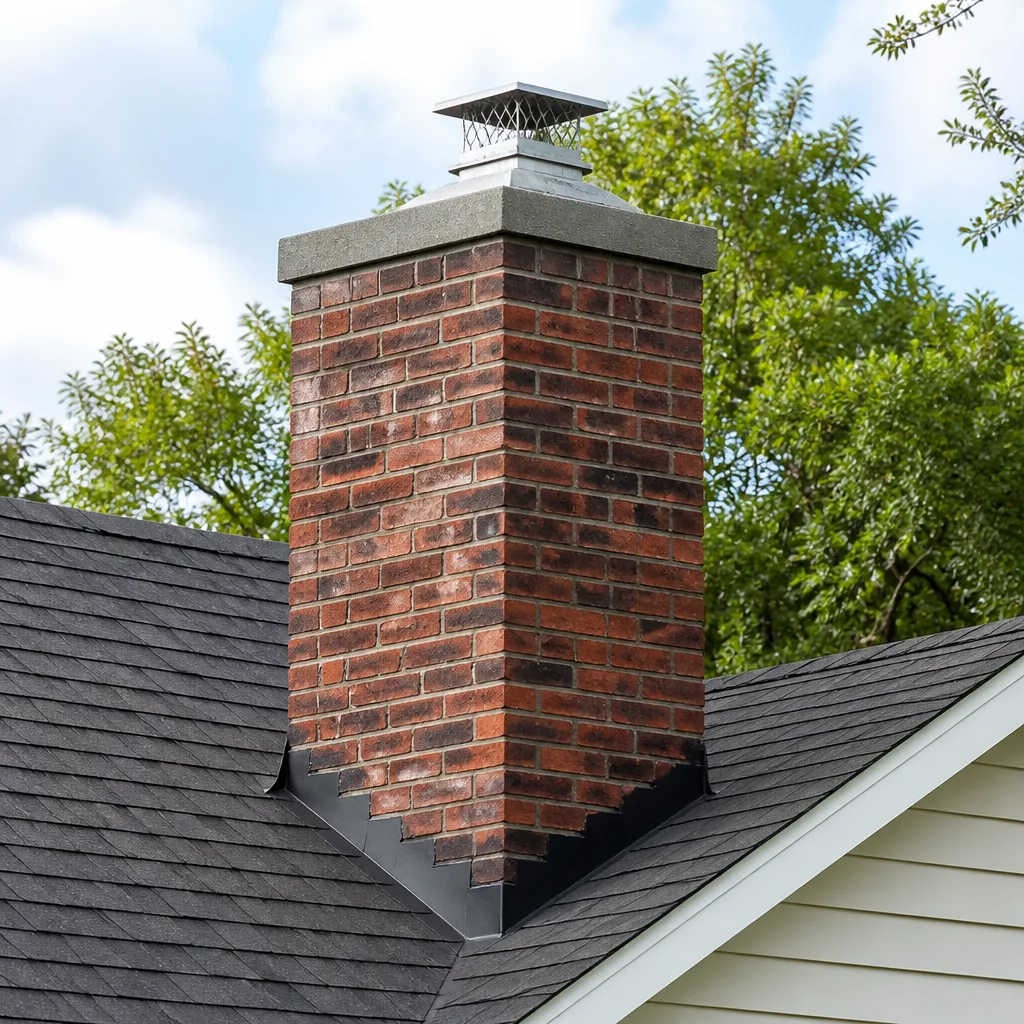 Masonry repair
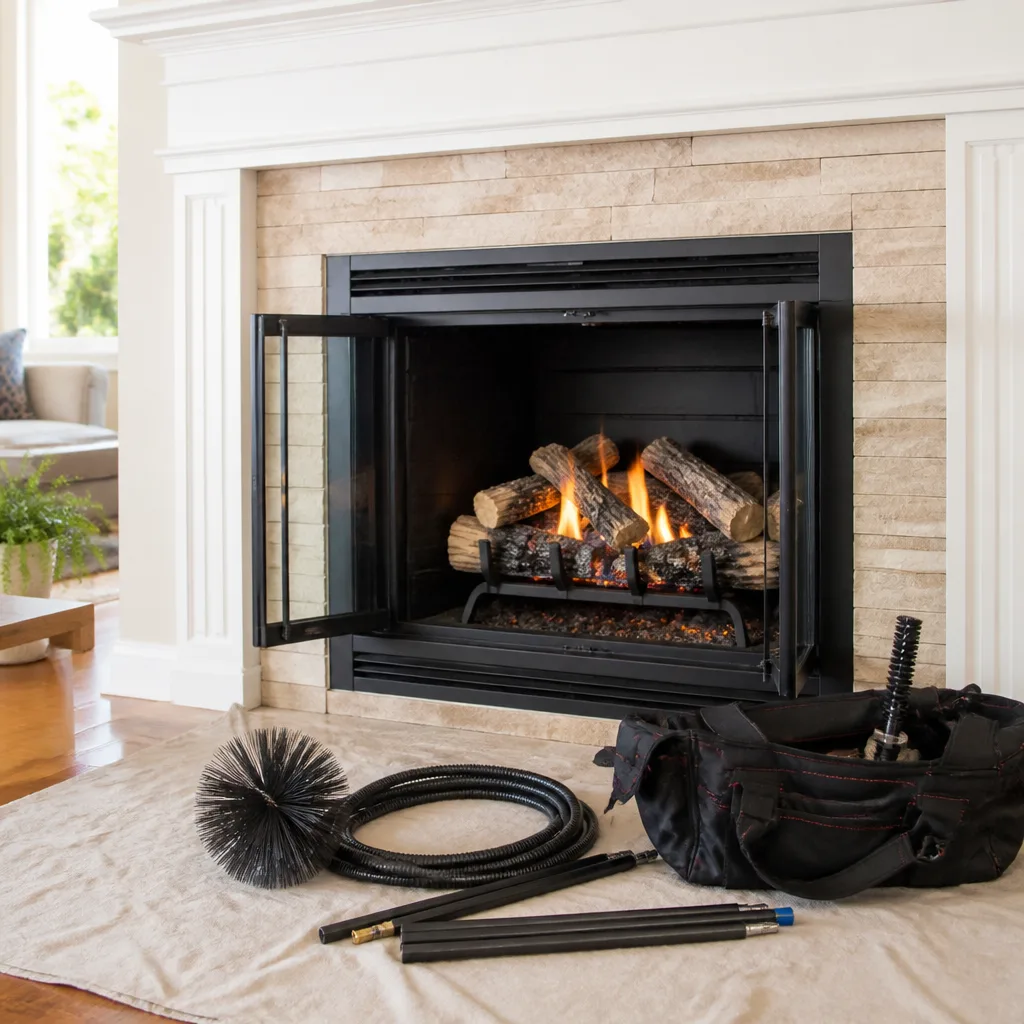 Gas fireplace service
Level 1 sweep and inspection to the NFPA 211 annual standard - flue, crown, cap, and flashing checked and photographed
Chimney sweep logs do not sweep chimneys. They loosen some creosote - which then falls where a brush and vacuum still have to collect it.
How to Hire a Chimney Cleaning Contractor in Huntington Beach: A Step-by-Step Guide
A surprising number of “chimney sweeps” listed on local directories around Orange County are roofing or HVAC contractors who added chimney cleaning to their service menu. Sweeping is the easy part. The hard part is diagnosing what the sweep reveals: a cracked crown, a failing flue liner, a cap that’s let water in for years. This guide shows you how to tell a real chimney specialist from a generalist with a brush, what CSIA certification actually means and how to check it, the exact questions to ask about camera inspection, and how California licensing works for chimney work. By the end you’ll know precisely what to verify before anyone in Huntington Beach steps onto your roof.
Quick Answer
To hire a chimney cleaning contractor in Huntington Beach, verify three things before you book: that the technician holds current CSIA certification you can confirm on the CSIA public database, that a camera inspection of the flue is included in the scope (not sold as a surprise add-on later), and that the company can both diagnose and repair the full chimney system rather than handing you off to a separate mason. Get the scope of work in writing, confirm the price is set by that written estimate, and treat any quote that pressures you to approve repairs on the same visit as a reason to get a second opinion.
Styles & brands we work with
- Sweep & inspection
- Caps & crowns
- Flue relining
- Masonry repair
- Gas fireplace service
Table of Contents
- Why Hiring a Chimney Contractor in Huntington Beach Is Harder Than It Looks
- What CSIA Certification Actually Means and How to Verify It
- The Camera Inspection Question Most Homeowners Forget to Ask
- California Licensing for Chimney Work and How to Check It
- Red Flags in Chimney Cleaning Quotes
- Why a Bundled Chimney and Repair Contractor Beats Two Separate Hires
- The Step-by-Step Hiring Process
- What Chimney Cleaning Costs in Huntington Beach
Why Hiring a Chimney Contractor in Huntington Beach Is Harder Than It Looks
Chimney cleaning looks like a simple commodity service. A brush goes down a flue, soot comes out, everyone shakes hands. That framing is exactly why so many generalist contractors offer it as an add-on. The problem is that the value of a sweep isn’t the brushing. It’s what a trained eye finds while the brush is out.
In Huntington Beach, most homes run their fireplaces lightly. Winters are mild, so a fireplace gets used for ambiance on cool evenings more than for heat through a long cold season. That light use creates its own pattern. Creosote builds slowly and unevenly, and because the chimney isn’t being fired hard and often, small problems like a hairline crack in the flue tile or a loosening crown can sit unnoticed for years. A roofing contractor who runs a brush down the flue once and hands you an invoice has no reason to look closely at the crown, the cap, or the smoke chamber. A chimney specialist does, because diagnosing the whole system is the job.
The result is a local market where the depth of a “chimney cleaning” varies wildly from one company to the next. Two contractors can both advertise chimney cleaning, both show up with a brush, and deliver completely different levels of service. One gives you a clean flue and a sticker. The other gives you a clean flue, a camera record of the interior, and a written assessment of the crown, cap, and liner. Your job as a homeowner is to figure out which one you’re hiring before they arrive. That’s what the rest of this guide is for.
The good news is that verification is not complicated. It takes maybe fifteen minutes of checking, and it separates specialists from upsellers.
What CSIA Certification Actually Means and How to Verify It
CSIA stands for the Chimney Safety Institute of America. It’s the credential the chimney industry itself recognizes, and it means a technician has passed a written exam on chimney and venting systems and committed to a code of ethics. What it does not mean is that the company you’re calling is certified. It means the individual technician is. That distinction matters, because a company can advertise “CSIA-certified sweeps” while the person who actually shows up may not hold the credential.
Here’s how to verify it properly:
- Ask for the name of the technician who will actually perform the work, not just the company name.
- Go to the CSIA public database of certified professionals and search that technician’s name.
- Confirm the certification is current, not lapsed. Certification requires renewal, so an expired listing is a real gap.
- If the company won’t tell you which technician is coming, treat that as a soft flag and ask again.
Why does this matter so much in Huntington Beach specifically? Because the certification is the single most reliable proxy for whether someone was trained to recognize the kinds of defects that light-use fireplaces tend to hide. A certified technician knows what a proper flue liner looks like from the inside, understands clearances to combustibles, and can tell the difference between normal creosote glaze and the kind of buildup that warrants a sweep. A generalist who took a one-day course on chimney brushing may not.
Our position is straightforward: certification is a baseline, not a sales pitch. We ask customers to verify it before booking, because the whole point of this guide is that you should never have to take a contractor’s word for a credential you can check yourself. A contractor who’s proud of their certification will welcome the question.
The Camera Inspection Question Most Homeowners Forget to Ask
This is the detail that separates a serious chimney contractor from a basic sweep service, and almost no one thinks to ask it before booking. A video camera inspection sends a small camera down the flue and records what’s inside: the liner, the joints, the smoke chamber, the offset. From the top of the chimney or through the firebox, the camera sees what a brush cannot.
Why is that important? Because a brush tells you the flue is now clean. The camera tells you whether the flue is intact. A flue liner with a gap at a joint, a spalled tile, or a collapsed section in the smoke chamber can look completely fine from above and still allow heat, gases, or debris into the structure of the house. Catching that during a routine sweep prevents it from turning into a much larger repair later. In Huntington Beach, where many homes have chimneys original to the house and lightly used, these hidden defects often surface years after they form.
Ask these questions before you book:
- Is a camera inspection included in the sweep price, or is it billed separately? Get a clear answer in writing.
- Will I see the footage or photos, or just be told the results? You should be able to see the evidence yourself.
- What level of inspection is performed? A standard sweep plus visual inspection covers the firebox and accessible flue, but a camera inspection goes inside the flue and smoke chamber.
- If repairs are recommended, will the camera findings be shared with me so I can get a second opinion if I want one?
At Huntington Beach Chimney Sweep, camera inspection and a photo report are included so you can look at the same evidence we do. That’s the standard we’d want if we were hiring. Asking this one question before you book will filter out a surprising number of contractors who never owned the equipment in the first place.
California Licensing for Chimney Work and How to Check It
Here’s the licensing reality for California homeowners: chimney sweeping itself, the cleaning and inspection side, is not a licensed trade in the same way electrical or plumbing work is. What you need to look at is whether the company doing repairs holds the right state contractor license for the type of work it’s performing. Chimney repair, cap and crown installation, and structural masonry work generally fall under a general building contractor or a masonry license depending on the scope. Specific permit and licensing requirements vary, so ask your city’s building department about your particular job.
Checking a contractor’s license is free and takes two minutes. The Contractors State License Board (CSLB) maintains a public license lookup. Search the company’s legal name or license number, and confirm three things:
- The license is active, not expired or suspended.
- The license class matches the type of work you’re hiring for.
- The business name and address on the license match the company you’re talking to.
This is where the bundled-contractor question gets practical. If you hire a sweeper who recommends crown repair, you’ll want to know whether that company holds the right license for the repair, or whether it’s going to subcontract it out. In our experience, that handoff is where homeowners get stuck waiting, and where communication breaks down between the person who found the problem and the person doing the fix. A single provider that can inspect, recommend, and perform the repair keeps the license, the findings, and the work under one roof.
We connect you with local professionals who are licensed and insured as their state requires, and we always encourage you to check the license before the work begins. It’s the same check we’d do ourselves.
Red Flags in Chimney Cleaning Quotes
Chimney work attracts a particular kind of pressure sale: the sweep arrives, gets on the roof, comes down with a grim face, and tells you the liner is failing and needs to be replaced right now. Sometimes that’s true. Often it’s an upsell, and it’s fully avoidable if you know what to look for in the quote.
Here are the red flags to watch for, in order of how often they show up:
- Unusually low flat rates. A sweep price that’s dramatically under the local market often means the sweep is a loss leader, and the real profit is in repairs suggested on the visit. Compare a few quotes and treat one that’s way below the rest as a question to ask, not a deal to take.
- No written scope of work. A legitimate contractor puts the scope in writing before work begins, including what’s cleaned, what’s inspected, and what’s not included. Anything verbal is a red flag.
- Pressure to approve repairs on the same visit. Unless the chimney is actively unsafe, there is almost never a reason you can’t see the evidence, think it over, and get a second opinion. A contractor confident in their findings won’t push.
- No camera footage or photos shown. If a repair is recommended, you should see the reason, not just hear it. Ask for the footage or photos before you approve anything.
- Vague answers about certification and license. A simple “yes, we’re certified” without a name to check is not enough. Ask for the technician name and the license number.
- Repairs recommended without an inspection. If you called for a sweep and were quoted a liner replacement before anyone looked inside the flue, that’s a signal to slow down.
The single best defense is the camera. If you can see what the contractor sees, the pressure goes away. Nothing should be recommended without camera evidence you can look at yourself, and we say that plainly because it’s the whole point of the inspection.
Why a Bundled Chimney and Repair Contractor Beats Two Separate Hires
A chimney is one system. The firebox, smoke chamber, flue, liner, crown, and cap are connected, and a problem in one often affects the others. Yet the standard advice to homeowners is to hire a sweeper who inspects, and then a separate mason if repairs are needed. That split makes sense for the contractor’s business model. It rarely makes sense for you.
Consider what happens when you split the work. The sweep finds a cracked crown. You hire a mason to repair it. The mason has never seen the flue, doesn’t know what the sweep found, and may or may not coordinate with them. Now you’re the project manager, passing information between two contractors who have no shared record of your chimney. If something’s missed, it’s not clear who owns it.
A single provider handles the diagnosis and the repair in one relationship. The inspector’s findings go straight to the person doing the work, with the camera footage as the shared record. In our experience, this reduces miscommunication and repeat visits dramatically. It also means the recommendation and the quote come from the same source, rather than a sweep recommending repairs it has no ability to perform.
The service scope to look for in a single provider covers:
- chimney sweep and inspection as the entry point
- Crown repair and chimney cap & crown installation
- Flue liner restoration and replacement
- fireplace repair for the firebox and damper
- Structural chimney repair for the exterior masonry
That’s the “one call, full picture” model, and it’s worth paying a modest premium for over the bargain-hunting alternative. We install what the pros use – materials from DuraFlex, HeatShield, Famco, and Copperfield – and we handle the full system from the firebox to the crown. When you’re choosing a chimney contractor in Huntington Beach, this scope check is one of the most reliable ways to tell a specialist from a generalist.
The Step-by-Step Hiring Process
Here’s the process we’d follow if we were hiring, in order. Work through it once and you’ll have a short list of two or three contractors who actually qualify.
- Identify your need. Is this a routine annual sweep, an inspection after a long gap, or a specific problem like a smoky fireplace or a visible crown crack? The scope of the job changes who you call.
- Check for chimney specialty. Look for a company whose primary business is chimney work, not one that offers it alongside roofing, HVAC, or general handyman services. Check the services page – does it list liner restoration, crown repair, and cap installation as core services, or is chimney cleaning the only chimney item?
- Verify CSIA certification. Ask for the technician’s name and look it up on the CSIA public database. Confirm it’s current.
- Verify the contractor license. Check the CSLB public lookup for any company performing repair work, and confirm the license class matches the scope.
- Ask about the camera inspection. Confirm in writing whether it’s included in the sweep price or billed separately, and confirm you’ll see the footage or photos.
- Request written estimates from two or three companies. Compare the scope line by line, not just the bottom line. A quote that lists more of what’s covered isn’t necessarily more expensive; a bare-bones quote is often the one that grows after the sweep starts.
- Confirm the price is set by the written estimate. The estimate should set the final price, with no surprise add-ons.
- Book the sweep and ask to be present for the camera review. Seeing the footage live is the single most useful fifteen minutes of the whole process.
Book your Huntington Beach Chimney Sweep with the same checklist in hand. Our technicians have up to 9 years of experience, and we walk through the camera findings with you, so you’re not relying on a verbal summary of a roof you can’t see.
What Chimney Cleaning Costs in Huntington Beach
Chimney cleaning in Huntington Beach typically runs in the same range as the rest of Orange County, and the price depends on the scope of the inspection, whether a camera inspection is included, and whether the chimney needs more than a standard sweep. Ask for the estimate in writing, and confirm what’s included before you book.
- Routine sweep and visual inspection: typically the base cost, one flue, standard single-story or two-story chimney.
- Camera inspection: ask whether it’s included in the sweep price or billed as a separate line. This is the most common way two quotes for the same job diverge, so get it in writing.
- Second flue or additional fireplace: priced as an add-on to the base sweep.
- Crown repair or cap installation: quoted separately once the inspection identifies the issue.
- Liner restoration: quoted separately – HeatShield restoration is often a middle option between a full reline and doing nothing.
One thing to be clear about: the estimate is free, and the price is set per job by the written estimate. We don’t quote a flat rate over the phone and then adjust it on the roof. That’s not how a chimney system can be priced honestly, because the scope depends on what the inspection finds. Call (877) 792-6728 for an exact quote – estimates are free.
Common Mistakes to Avoid
- Hiring a roofing contractor for chimney cleaning. A roofer may offer chimney cleaning as an upsell, but their training is in the roof, not the flue. You want a specialist who inspects what’s inside the chimney, not just what’s around it.
- Accepting a verbal certification claim. “We’re CSIA-certified” is a claim, not a fact, until you’ve looked up the technician’s name. Insist on the name and check it.
- Not asking whether the camera inspection is included. This is the most common surprise line item in Orange County, and the fix is one question before you book. Ask whether you’ll see the footage yourself.
- Approving repairs without seeing the evidence. If a repair is recommended, ask to see the camera footage or photos before you approve. A specialist will welcome this; an upseller will resist.
- Booking the cheapest quote without comparing scope. A quote that’s half the price of the others is usually half the scope. Compare what’s covered line by line, not the bottom line.
- Assuming a clean flue means a safe flue. A freshly brushed flue can still have a cracked liner, a failing crown, or a cap that’s let water in for years. The inspection is where safety lives, not the sweep.
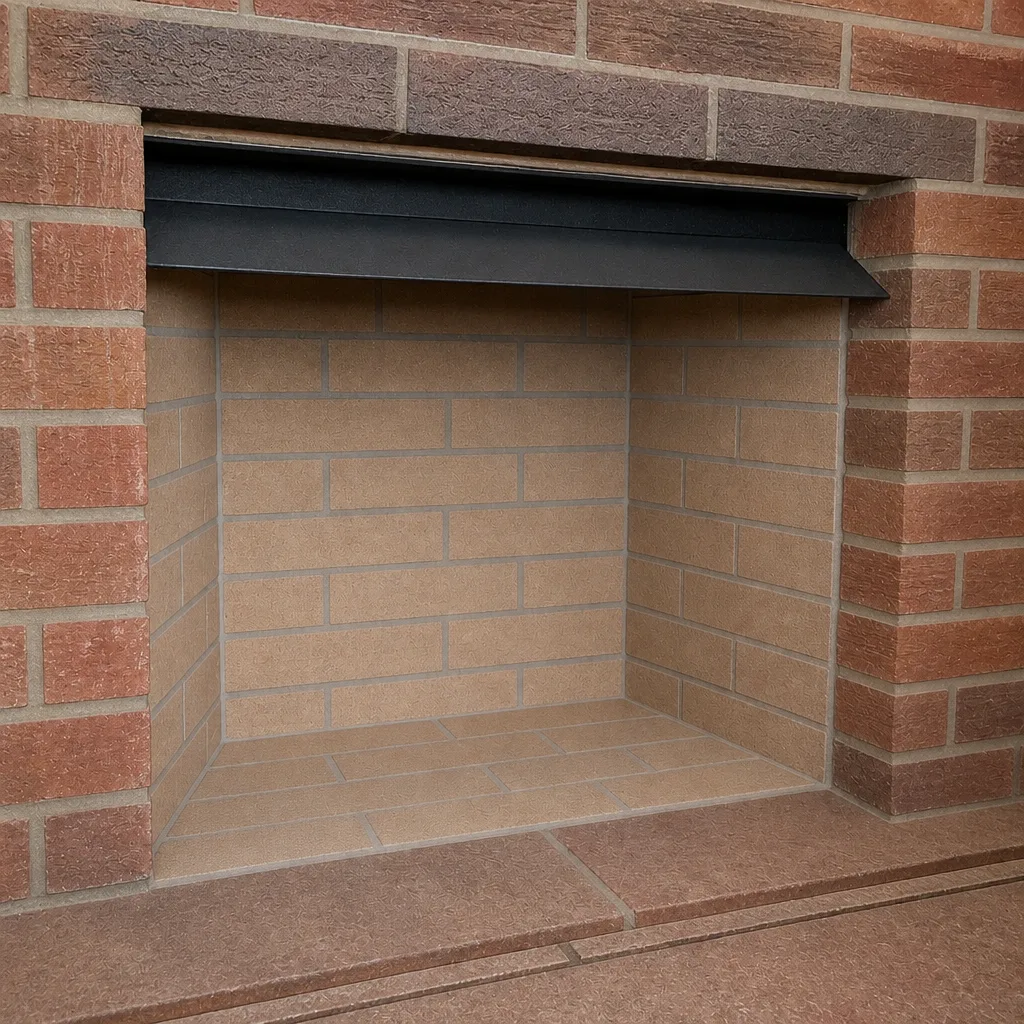
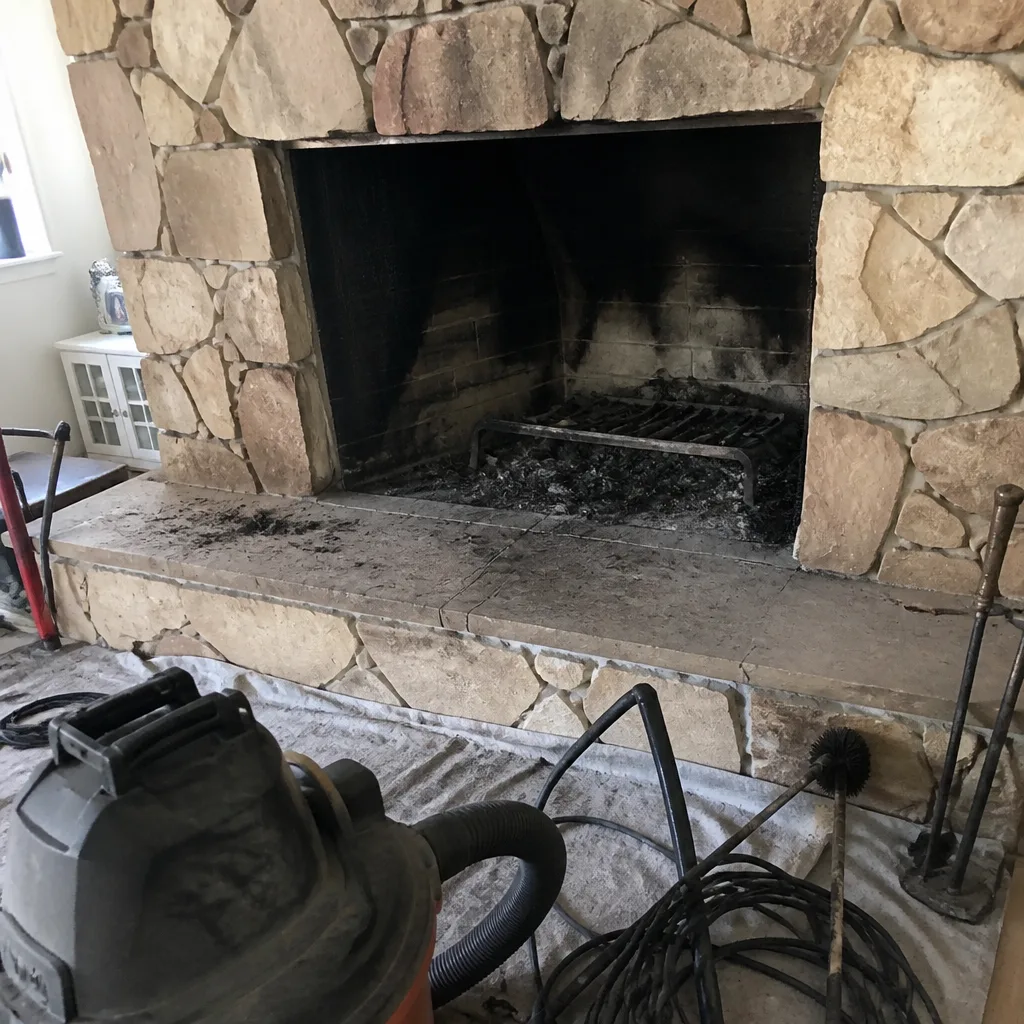
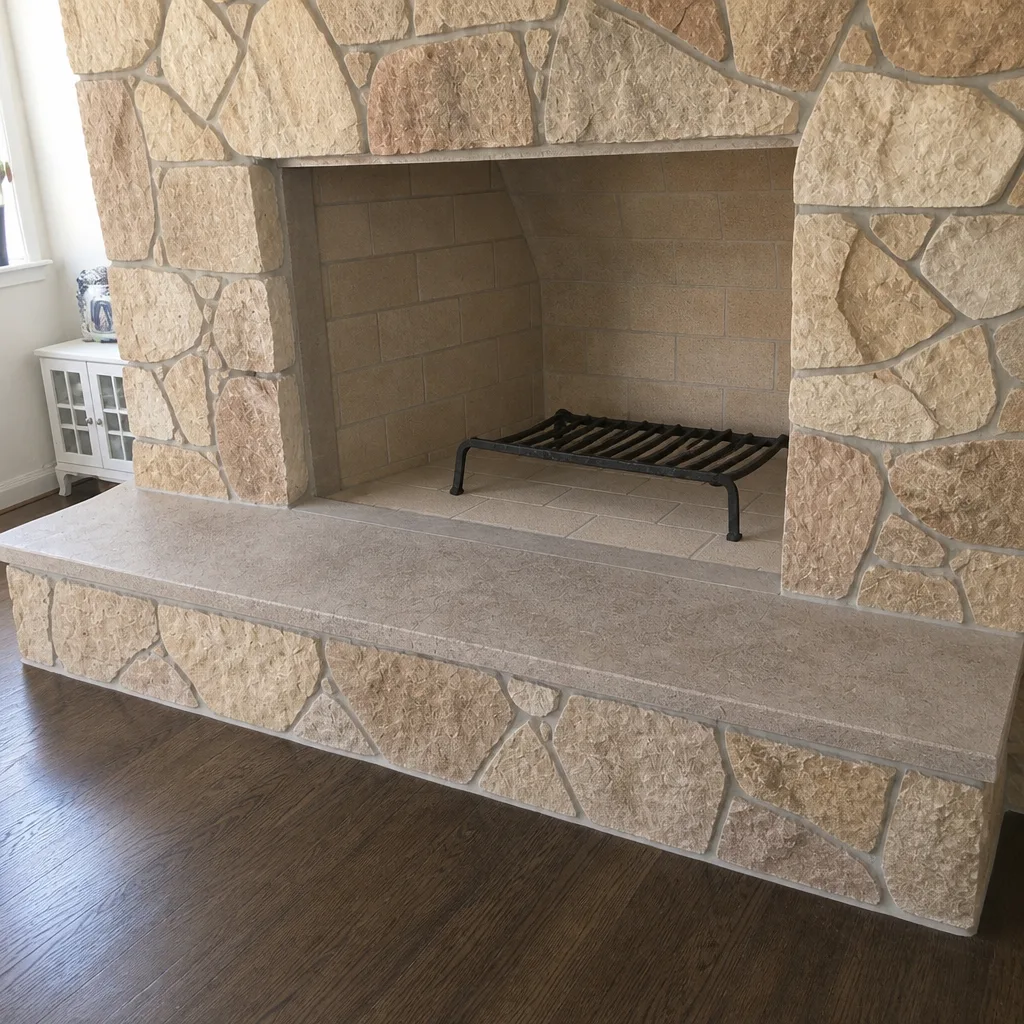
See the difference
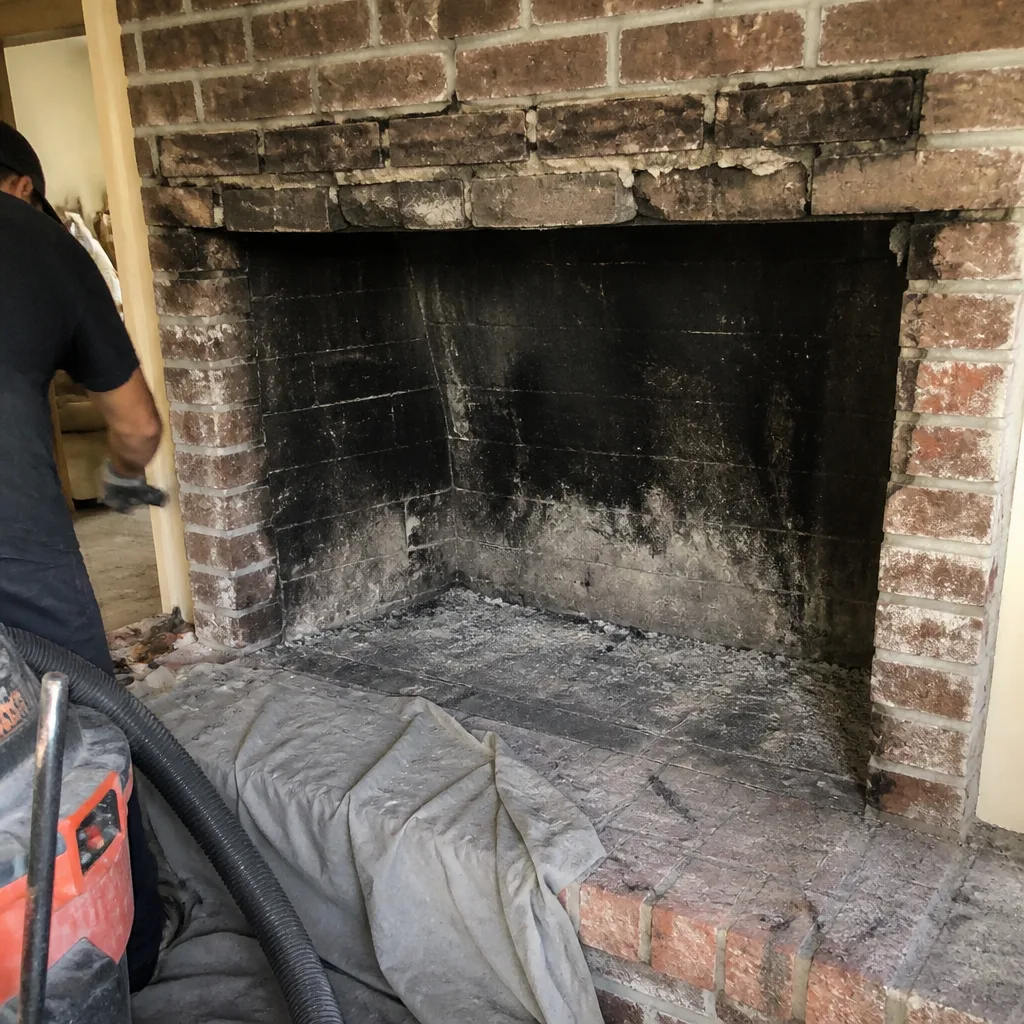 Before
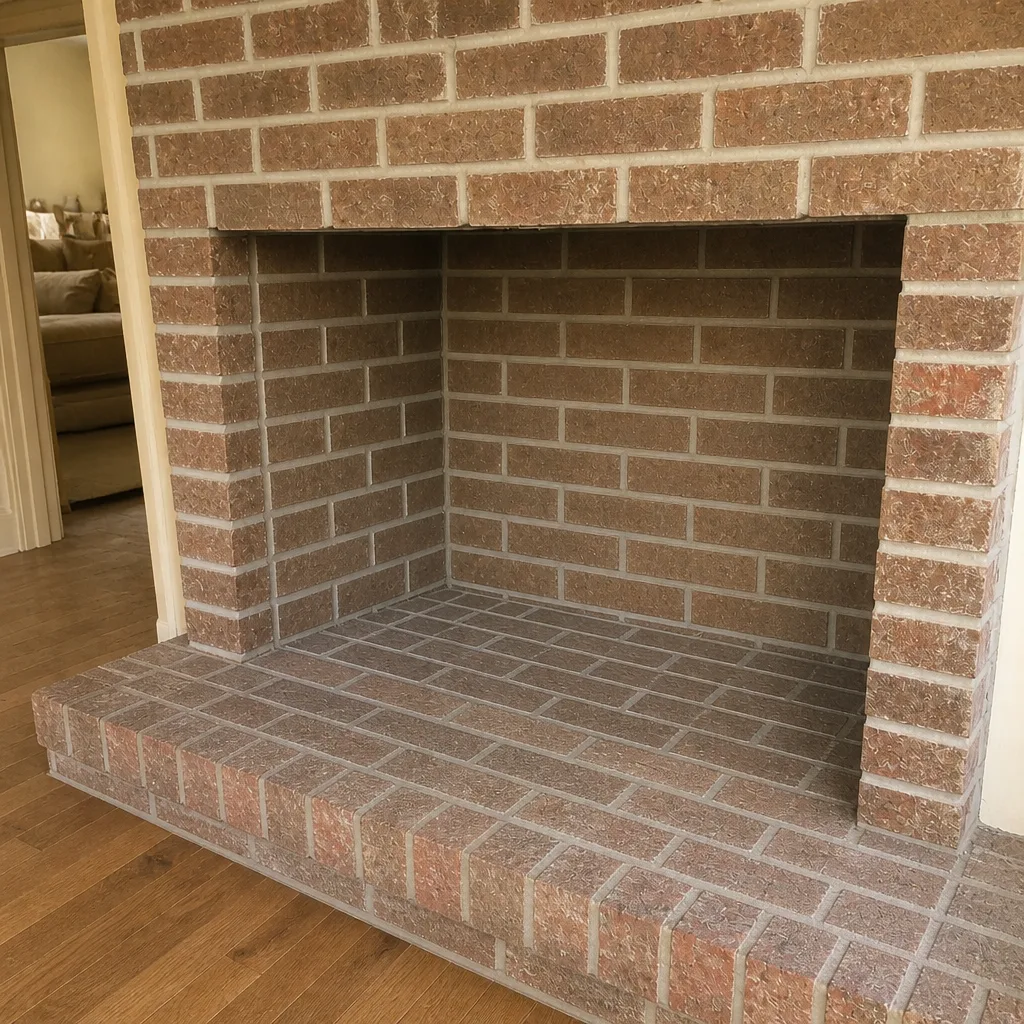 After
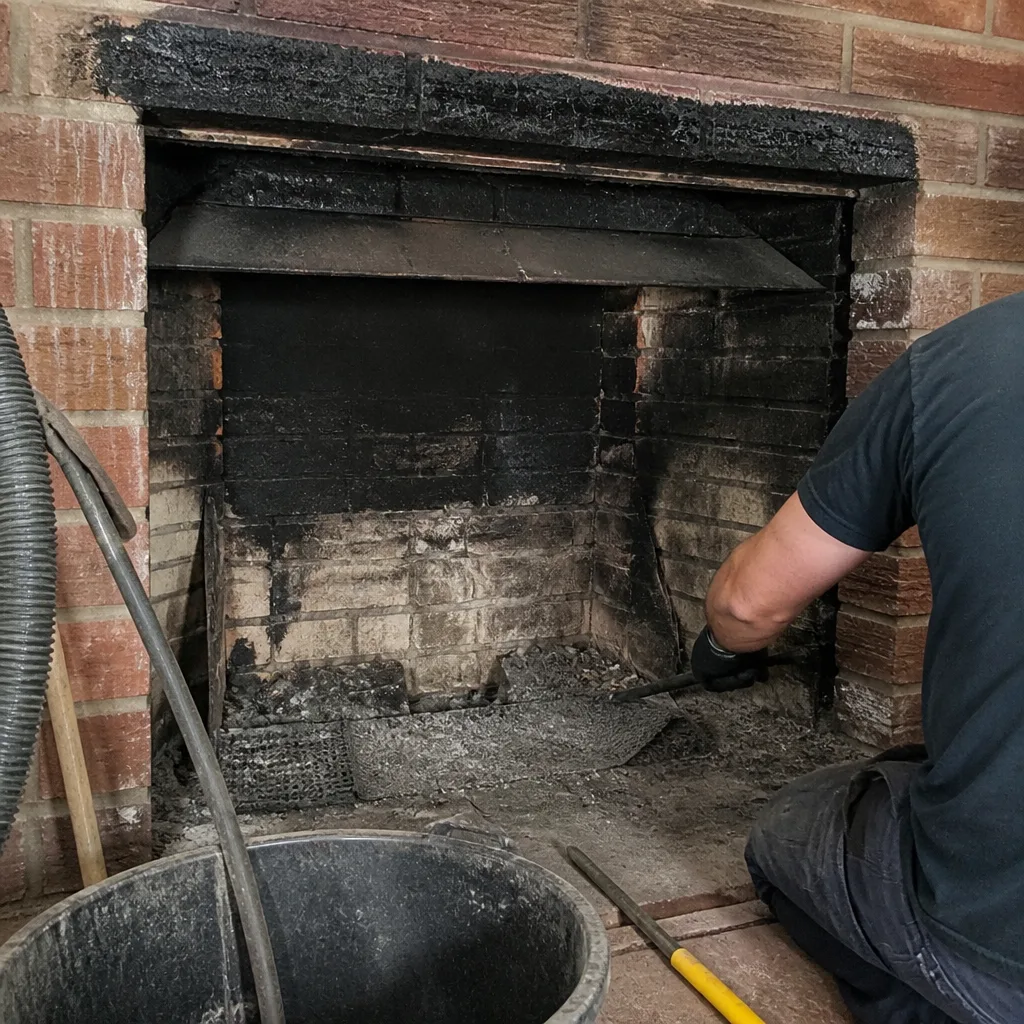 Before
 After
 Before
 After
When to Call a Professional
Call a chimney professional in Huntington Beach when you notice a smoky fireplace that didn’t used to smoke, a strong creosote odor on warm days, visible staining on the exterior masonry, a cracked or missing crown, a damaged or missing cap, or a flue that’s simply not been inspected since you moved in. Call immediately if you smell gas or see rust on the damper or firebox – those are symptoms that warrant a same-day visit rather than a routine booking. Get in touch if a chimney fire has happened, even a small one, because the flue may have been damaged in ways only a camera will find. Huntington Beach Chimney Sweep offers free estimates in Huntington Beach – call (877) 792-6728. We answer 24/7. Fast dispatch from 7am to 7pm, Sunday through Friday.
Frequently Asked Questions
Yes, and you can verify it yourself. CSIA certification is the chimney industry’s recognized credential for technicians, and it means the person who inspects your flue was trained to recognize defects that a generalist might miss. Ask for the technician’s name before booking and look it up on the CSIA public database. Call (877) 792-6728 for an exact quote – estimates are free.
It’s necessary, and it’s the opposite of an upsell when it’s included in the sweep price. A brush tells you the flue is clean; a camera tells you whether the flue is intact. Ask whether a camera inspection is included in the sweep or billed separately, and ask to see the footage yourself. That answers the upsell question for good.
Most lightly used fireplaces benefit from a sweep and inspection once a year, and a heavily used fireplace may need more. Because winters in Huntington Beach are mild and fireplaces tend to get lighter use than in colder climates, the key variable isn’t how often you burn – it’s whether the flue and crown have been inspected for the kind of slow damage that accumulates without showing up in the firebox. Call (877) 792-6728 for an exact quote – estimates are free.
Nothing dramatic today, and that’s the problem. Small defects – a hairline crack in a flue tile, a loosening crown, a cap that’s let water in – can sit unnoticed for years and only surface once they’ve become a real repair. Skipping the inspection doesn’t cause the problem; it just means you find out later, when it’s a bigger job. A routine sweep and camera inspection catches issues while they’re still small and cheap to fix.
You don’t, and it’s usually better that you don’t. A single provider that inspects, recommends, and repairs keeps the findings, the license, and the work under one roof, so you’re not acting as the go-between for a sweep and a separate mason. Ask the contractor you’re considering whether they handle crown repair, liner restoration, and fireplace repair in-house or whether they’ll subcontract the work out.
Yes. We answer 24/7, and we’ll walk through the scope with you before you book. The estimate is free and the price is set per job by the written estimate. Call (877) 792-6728.
The Bottom Line
Hiring a chimney contractor in Huntington Beach comes down to three verifications and one question. Verify the CSIA certification by looking up the technician by name, verify the contractor license on the CSLB lookup for any repair work, and verify that the scope is in writing. Then ask the question almost nobody asks: is the camera inspection included, and will you see the footage yourself? That single question separates a specialist from a brush-and-invoice operation. The chimney is a system, and the best hire is one contractor who can inspect the whole system from the firebox to the crown – and then do the work. A bundled provider beats a split hire almost every time, and a written estimate protects you from the surprise quote that grows after the sweep starts.
Call (877) 792-6728 for a free estimate. We answer 24/7. Fast dispatch from 7am to 7pm, Sunday through Friday.
Written by the team at Huntington Beach Chimney Sweep.